
Container Gardens
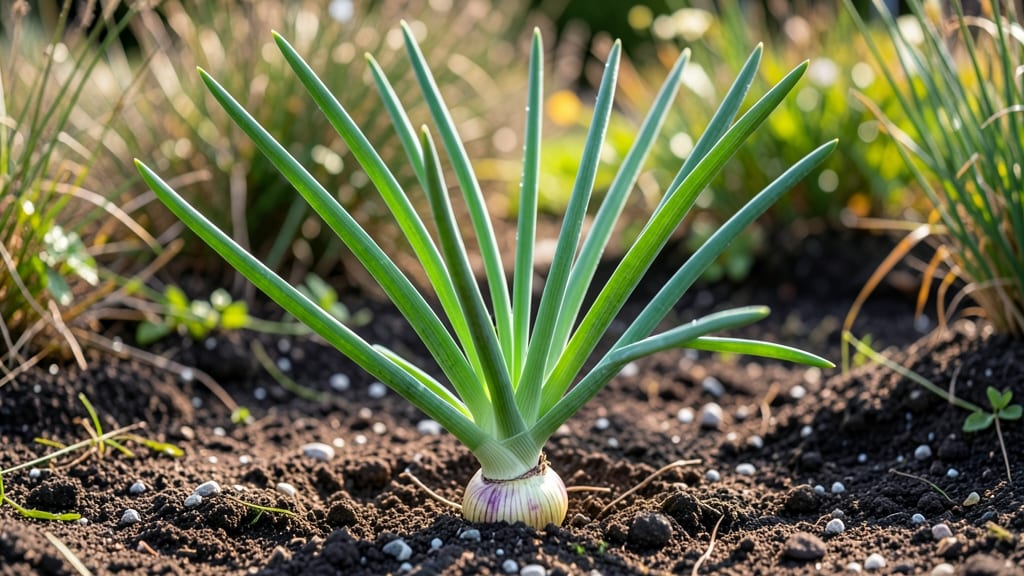
Growing tree onions gives you fresh green onions all year without the replanting hassle. ✨ I’ve grown them in pots on my balcony for three winters now, and they’ve never failed me—just a single clump keeps producing for months.
The secret lies in their hardiness and how they regrow from the base after each harvest.
You’ll need a container at least 6 inches deep, well-draining soil, and a spot with 4-6 hours of sunlight daily. Tree onions thrive in cooler weather but tolerate heat surprisingly well if kept moist.
Start with a store-bought bunch—just plant the root end in soil, and you’re set. No fancy prep required.
Harvest by snipping outer greens as needed, leaving the center to regrow. In 4-6 weeks, you’ll have a full regrowth cycle, and the flavor stays sweeter than store-bought. The plants even survive light frosts, making them perfect for early spring or late fall harvests.
Works in containers, raised beds, or in-ground gardens—just avoid soggy soil. If you’ve ever struggled with green onions dying after a few cuts, this method changes everything. Let’s get those roots growing!
📚 In This Guide
- What you need
- Instructions
- Tips and common mistakes
- Wrapping up and next steps
What you need
- ● Tree onion bulbs: 3–5 mature bulbs (ensure they’re firm, dry, and free of sprouts). Pro tip: 💡 Buy organic or heirloom varieties like ‘Evergreen Hardy White or ‘Walking Onion’ for best results.
- ● Containers: 1–2 10-inch diameter pots (or larger) with drainage holes (required).
- ○ Self-watering planters or grow bags (optional, for convenience).
- ● Potting mix: 2–3 gallons of well-draining, fertile soil (mix 60% potting soil + 40% perlite or compost). Pro tip: 🌡️ Avoid heavy garden soil—it retains too much moisture!
- ● Fertilizer: Balanced 5-5-5 or 10-10-10 granular fertilizer (1 tbsp per pot at planting). (required)
- ○ Liquid seaweed extract or fish emulsion (optional, for a mid-season boost).
- ● Pruning shears or scissors (for harvesting greens).
- ● Spray bottle (for gentle watering of topsets).
- ○ Mulch (straw or shredded leaves) (optional, to retain moisture).
- ● Grow lights or sunny windowsill (if indoors; 6+ hours of light daily).
How to grow tree onions for continuous green harvests
Here's my go-to method for growing these hardy green onions that keep producing all season long.
🌱 Step 1: Choose the Right Variety and Start with Healthy Bulbs
Tree onions (also called perennial onions) thrive when you begin with mature bulbs from a specialty garden center. Look for firm, dry bulbs with no soft spots or sprouting signs—these will establish best. I like to select bulbs that are about 1.5-2 inches in diameter for consistent growth.
Break apart any clumps of bulbs gently by hand, ensuring each bulb has at least one strong shoot emerging. The more shoots per bulb, the faster your harvests will begin. Store bulbs in a cool, dark place until planting to prevent premature sprouting.
🪴 Step 2: Prepare Containers or Garden Beds for Planting
Tree onions grow well in containers or in-ground beds with excellent drainage. For containers, use pots at least 6 inches deep with drainage holes—terra cotta works best because it breathes. Fill with a lightweight mix of 50% potting soil and 50% compost to encourage root development.
If planting in the ground, choose a sunny spot with 6+ hours of direct sunlight daily. Amend the soil with 2-3 inches of compost and work it into the top 6 inches of soil. Tree onions hate soggy roots, so raise beds slightly or add sand if your soil drains poorly.
🌿 Step 3: Plant Bulbs and Water Thoroughly
Set bulbs 2-3 inches deep with the shoot side up, spacing them 4-6 inches apart in containers or 8-12 inches apart in garden beds. The bulbs should sit just below the soil surface, not buried deep. This shallow placement lets the greens grow quickly while keeping the bulb stable.
Water immediately after planting until moisture reaches 2 inches deep. You'll know it's right when water drips from the drainage holes in containers or the soil feels damp 2 inches down. Avoid overhead watering—it spreads disease. Instead, water at the base to keep leaves dry.
☀️ Step 4: Maintain Consistent Water and Fertilize Lightly
Keep the soil evenly moist but never soggy. Tree onions tolerate brief dry spells but produce best with 1 inch of water weekly, more in extreme heat. You'll see new growth within 2-3 weeks—that's your signal everything is working. Mulch with 1 inch of straw to retain moisture and prevent weeds.
Fertilize lightly every 4-6 weeks with a balanced, water-soluble fertilizer (like 10-10-10) at half strength. Over-fertilizing makes leaves bitter. I skip fertilizer in winter unless growth slows—tree onions are low-maintenance once established.
✂️ Step 5: Harvest Green Onions as Needed for Continuous Growth
Start harvesting when the green shoots reach 6-8 inches tall. Snip the entire stalk just above the bulb with clean scissors—this encourages new shoots to emerge from the same bulb. You'll get 3-5 harvests per bulb per season, and the bulbs themselves may last 3-5 years with proper care.
Real talk: Don't cut too close to the bulb, or you'll damage the regrowth center. Leave at least 1 inch of stalk above the bulb. In winter, reduce harvesting to every 4-6 weeks to let the plant conserve energy for spring growth.
Tips & tricks for perfect tree onion growth
These simple strategies will help you maximize your harvests and keep your tree onions thriving for years.
Bulb Selection: When choosing bulbs in Step 1, look for ones with multiple shoots—each shoot becomes a separate harvest stem. I've found that bulbs with 3-4 shoots produce the most consistently. Store them in a mesh bag in the fridge until planting to maintain freshness without condensation buildup.
Container Hack: For Step 2, if you're using containers, add a layer of coarse sand at the bottom before the soil mix. This improves drainage dramatically, especially in terra cotta pots. I've seen roots rot when planted directly in soil without this extra layer—it's worth the 5-minute prep time.
Watering Wisdom: In Step 4, the "1 inch of water weekly" guideline works for average conditions, but adjust in extreme heat. I check moisture by sticking my finger 2 inches down—if it's dry, water thoroughly. Mulching with straw helps maintain even moisture between waterings, which prevents both underwatering and overwatering.
Harvesting Technique: When harvesting in Step 5, use clean, sharp scissors to avoid crushing the bulb. I snip just above the bulb's top, leaving that 1-inch stalk as a visual guide for future cuts. This method keeps the bulb healthy for multiple harvest seasons—some of my original bulbs are still producing after 4 years!
Pro Tips for Growing Tree Onions
- These simple strategies will help you maximize your harvests and keep your tree onions thriving for years.
- Bulb Selection: When choosing bulbs in Step 1, look for ones with multiple shoots—each shoot becomes a separate harvest stem.
- Container Hack: For Step 2, if you're using containers, add a layer of coarse sand at the bottom before the soil mix.
Frequently asked questions
Got questions about growing tree onions?
You’re not alone! Here are answers to the most common queries to help you cultivate a thriving, space-saving harvest.
How long does it take for tree onions to mature?
Tree onions typically take 60–90 days to mature from seed, depending on your climate. In warmer regions, you may see harvests as early as 50 days. They’re ready when the tops turn brown and the bulbs reach 1–2 inches in diameter. For year-round harvests, stagger plantings every 2–3 weeks!
Can tree onions survive winter in containers?
Tree onions are hardy to USDA Zone 4–10, but in containers, they may need extra care. If temps drop below 20°F (-6°C), move pots to a sheltered spot or insulate with straw. In colder zones, grow them as annuals or harvest before frost. Pro tip: Use mulch to protect roots!
What’s the best alternative if tree onions fail to grow?
If your tree onions struggle, try green onions (scallions) or shallots—both thrive in containers and offer similar flavors. For a longer harvest, leek varieties like ‘King Richard’ are low-maintenance and cold-tolerant. All three grow well in 4–6 inches of soil!
Why are my tree onion leaves turning yellow?
Yellowing leaves usually signal overwatering, pests (like onion flies), or nutrient deficiencies. Check soil moisture—tree onions prefer well-draining soil. If pests are the issue, use neem oil or row covers. For nutrients, add a balanced fertilizer (like 10-10-10) every 4–6 weeks.
How much space do tree onions need in a container?
Plant seeds or sets 1–2 inches apart in a container with a minimum 6-inch depth. For larger harvests, space them 3–4 inches apart. Use a 5–10 gallon pot for 3–5 plants, ensuring good airflow to prevent rot. Bonus: Mix in compost for faster growth!
Wrapping up and next steps
Growing tree onions is a rewarding way to enjoy fresh, flavorful harvests with minimal space and effort! 🌱 Whether you’re a seasoned gardener or just starting out, their hardiness and versatility make them a fantastic addition to any container garden.
With the right care—like proper spacing, consistent moisture, and a little patience—you’ll soon be feasting on homegrown green onions year-round.
Ready to take the next step? Start small with a single pot or experiment with different varieties to see what thrives best in your space. Happy growing—your taste buds (and dinner table) will thank you! 😊