
Pruning
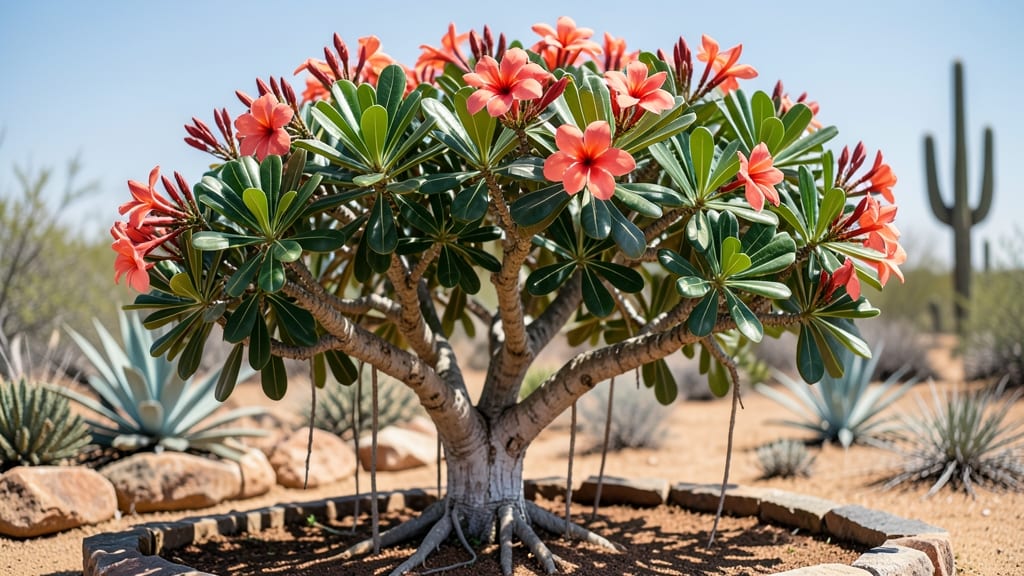
Growing a plumeria tree in Arizona means year-round tropical blooms without the fuss—if you know the tricks. 🌵 I’ve watched my own plumeria transform from a scraggly sapling to a fragrant, drought-tolerant beauty by mastering the desert’s quirks, from brutal sun to sudden monsoon bursts.
The key? Pruning for survival and showstopping flowers, even when temps flirt with triple digits.
Start with the right variety—Arizona-friendly types like Hawaiian Snow or Red Rain thrive here, while others wilt under the relentless sun. Plant in well-draining cactus soil (mix in perlite or pumice) and avoid watering until the soil’s bone-dry—overwatering kills plumeria faster than heat.
A morning sun, afternoon shade spot prevents leaf scorch, and container growing lets you move plants during extreme heat waves.
Pruning isn’t just for shape—it’s your secret weapon for year-round blooms. After the last frost threat (yes, even Arizona gets chilly nights), trim back leggy growth to encourage bushier, flower-heavy branches.
Deadhead spent blooms religiously, and you’ll see new buds in 2-3 weeks, even in summer. The scent? Intoxicating—like walking through a Hawaiian luau, but in your front yard.
Containers are a game-changer here: 5-gallon pots work for young trees, and you can roll them under shade cloth during monsoon downpours. Watch for scale insects (they love plumeria) and spray with neem oil at first sign.
With the right care, your plumeria will outlast the desert’s extremes—and become the fragrant centerpiece of your outdoor space.
📚 In This Guide
- What you need
- Instructions
- Tips and common mistakes
- Wrapping up and next steps
What you need
- ● Plumeria Tree: Choose a healthy, disease-free Plumeria variety suited for Arizona’s climate (e.g., Plumeria rubra or Plumeria obtusa). Start with a young plant or a well-established one from a local nursery.
- ● Well-Draining Soil: 3–5 gallons of a cactus/succulent mix or a blend of 50% potting soil, 30% perlite, and 20% coarse sand (for pots). For in-ground planting, amend native soil with compost and grit.
- ○ Pot (Optional but Recommended): A 5–10-gallon container with drainage holes (if growing in pots). Terracotta or fabric pots work best for airflow.
- ● Pruning Tools: Sharp bypass pruners (for clean cuts)
- ● Loppers (for thicker branches, 1–2 inches in diameter)
- ● Sterilized pruning saw (for stubborn, woody stems)
- ● Disinfectant: 70% rubbing alcohol or a 10% bleach solution (1 part bleach to 9 parts water) to sterilize tools between cuts.
- ● Fertilizer: Balanced, slow-release fertilizer (10-10-10 or 8-3-9) or a low-nitrogen, high-phosphorus formula (e.g., 5-10-10) for blooming. Apply every 4–6 weeks during growing season (spring–fall).
- ● Mulch: Gravel or inorganic mulch (e.g., pebbles) to retain heat and prevent soil-borne diseases.
- ● Rooting Hormone: For propagating cuttings (e.g., cloning gel or powder).
- ● Slow-Release Granules: Mix into soil for 3–6 months of nourishment.
- ● Shade Cloth: 30–50% coverage for young trees or intense Arizona sun.
- ● Drip Irrigation System: For efficient, deep watering (especially in drought-prone areas).
- ● Gloves & Safety Goggles: To protect hands from thorns and sap.
Step-by-step guide for growing plumeria trees in Arizona’s climate
Here’s how to cultivate vibrant, drought-resistant plumeria trees that thrive in Arizona’s intense sun and heat.
🪴 Step 1: Select the Right Location and Planting Site
Plumeria trees need full sun exposure—at least 6-8 hours daily—to bloom profusely. In Arizona, choose a spot with afternoon shade protection if temperatures frequently exceed 100°F, as direct midday sun can scorch leaves. I always test the soil first—plumeria roots prefer well-draining, slightly acidic soil (pH 6.0-7.0). If your yard has heavy clay, amend with 3-4 inches of organic compost and a handful of perlite to improve drainage.
Dig a hole twice as wide as the root ball but only as deep—planting too deep suffocates roots. Place the tree so the top of the root ball sits level with the ground. Water deeply right after planting to settle the soil and eliminate air pockets. Mulch around the base with 2-3 inches of organic mulch, keeping it 6 inches away from the trunk to prevent rot.
☀️ Step 2: Water Deeply but Infrequently
Arizona’s dry climate means plumeria trees need deep, infrequent watering—about once every 7-10 days once established. Water slowly until the soil is 6 inches deep and evenly moist, then let it dry out completely before the next watering. Overwatering leads to root rot, while underwatering causes leaf drop. I check moisture by sticking my finger 2 inches into the soil—if it feels dry, it’s time to water.
During the first 30 days after planting, water every 3-4 days to help roots establish. After that, reduce frequency gradually. Plumeria trees store water in their thick stems, so they’re naturally drought-tolerant once mature. Avoid wetting the leaves when watering—this encourages fungal diseases in Arizona’s humid monsoon season.
✂️ Step 3: Prune for Drought Resistance and Blooms
Prune plumeria trees twice a year—once in late winter (January-February) to shape the tree and again in early summer (June) to encourage new growth. Remove dead, diseased, or crossing branches first, then trim back overly leggy growth to improve airflow. I cut just above a leaf node or bud, never leaving stubs—this prevents rot and encourages stronger regrowth.
For year-round blooms, prune lightly after each flowering cycle. New growth from pruning is more vigorous and produces more flowers. Avoid heavy pruning in summer—plumeria trees need their energy to survive Arizona’s heat. After pruning, apply a balanced fertilizer (10-10-10) lightly around the base to support new growth.
🌿 Step 4: Protect from Monsoon and Winter Challenges
Arizona’s monsoon season (July-September) brings heavy rain and humidity—plumeria trees need extra care during this time. If storms are forecasted, prune back any weak branches to prevent wind damage. After heavy rains, check for pests like scale insects (common in humid conditions) and treat with neem oil if needed. I also reduce watering slightly during monsoons to prevent fungal issues.
Winter is the lowest-risk season for plumeria trees, but frost can kill them. If temperatures dip below 30°F, cover young trees with frost cloth or move potted plumeria indoors. Mature trees in the ground usually survive, but new growth may be damaged. Prune any frost-damaged branches in early spring once new shoots appear.
Tips & tricks for perfect plumeria tree care in Arizona
These pro-level insights will help you nurture plumeria trees that thrive in Arizona's brutal sun and heat.
Sun Exposure Strategy: The 6-8 hours of daily sun requirement is non-negotiable, but here's the secret: position your tree to catch morning sun and afternoon shade when temps hit 100°F. I've seen plumeria leaves crisp up in just 2 hours of unprotected midday exposure. If you must plant in full sun, choose a location with reflected light rather than direct overhead rays—this reduces heat stress significantly.
Soil Preparation Pro Tip: That 3-4 inches of organic compost and perlite mix is crucial, but don't stop there. I recommend adding a handful of sand to the mix for Arizona's heavy clay soils. The goal is to create soil that drains so quickly that water never pools around roots. Test your soil's drainage by pouring water in a hole—if it takes more than 10 minutes to drain completely, you need more perlite.
Watering Technique: The 2-inch soil moisture check is brilliant, but here's what I've learned: water until the soil is moist 6 inches deep, then wait until the top 2 inches are bone dry before watering again. This mimics Arizona's natural rainfall patterns. I use a long screwdriver to check deeper moisture levels—it's the only way to know for sure your tree isn't getting enough water. For established trees, I've found that watering at the base in the early morning prevents evaporation and fungal issues.
Pruning Timing: That twice-yearly pruning schedule in January-February and June works perfectly, but here's my breakthrough: prune just after flowering cycles for year-round blooms. The key is to never remove more than 25% of the tree's foliage in one session—this maintains energy reserves for Arizona's extreme conditions. I always sterilize my pruning shears with rubbing alcohol between cuts to prevent disease spread, especially during monsoon season.
Pro Tips for Plumeria Tree Arizona
- These pro-level insights will help you nurture plumeria trees that thrive in Arizona's brutal sun and heat.
- Sun Exposure Strategy: The 6-8 hours of daily sun requirement is non-negotiable, but here's the secret: position your tree to catch morning sun and afternoon shade when temps hit 100°F.
- Soil Preparation Pro Tip: That 3-4 inches of organic compost and perlite mix is crucial, but don't stop there.
Frequently asked questions
Got questions about growing plumeria trees in Arizona? You’re not alone! Here are some of the most common queries—plus straightforward answers to help you nurture a thriving, drought-resistant beauty.
Can plumeria trees survive Arizona’s extreme heat and drought?
Plumerias are perfect for Arizona’s climate. They thrive in full sun, tolerate dry spells once established, and even bloom more prolifically in heat. Just ensure they’re planted in well-draining soil to avoid root rot. Water deeply but infrequently—about once a week in summer (less in winter) unless the soil is bone-dry.
When is the best time to prune plumeria trees in Arizona?
Prune your plumeria right after blooming (late spring to early summer) to encourage new growth and more flowers. Avoid heavy pruning in fall/winter, as the tree enters dormancy. Light shaping can happen anytime, but never prune into old wood—focus on fresh, green growth for best results.
How do I revive a plumeria tree that’s not blooming?
Non-blooming plumerias often need a pruning boost or better care. Try these fixes:
- Prune aggressively (but not into bare wood) to stimulate new shoots.
- Ensure it gets 6+ hours of direct sun daily—shade reduces blooms.
- Check watering: Overwatering stresses the tree; underwatering causes drought stress.
- Fertilize lightly with low-nitrogen, high-phosphorus fertilizer (like 5-10-10) in spring.
Are plumeria trees safe to grow near homes in Arizona?
Yes! Plumerias are non-invasive and generally safe for residential areas. However, their fragrant flowers can attract bees—plant them away from high-traffic zones if you’re concerned. They also drop petals and seed pods, so place them where cleanup is easy. Avoid planting near septic systems or poor-draining areas.
What’s a good alternative if I want a fragrant, low-maintenance tree but plumeria is too tricky?
If plumerias seem high-maintenance, try these Arizona-friendly alternatives:
- Mexican Orange (Choisya ternata): Fragrant, drought-tolerant, and thrives in heat.
- Texas Ranger (Leucophyllum frutescens): Purple blooms after rain, nearly indestructible.
- Desert Willow (Chilopsis linearis): Long, trumpet-shaped flowers with minimal care.
Wrapping up and next steps
Growing a plumeria tree in Arizona is a rewarding experience—especially when you master the art of drought-resistant pruning to keep those fragrant blooms coming year-round! 🌵✨ With the right tools, timing, and techniques, your plumeria can thrive even in the desert heat.
Whether you're a seasoned gardener or just starting, every trim brings you closer to a lush, vibrant plant that’s as resilient as it is beautiful.
Ready to take the next step? Start small: pick one pruning session to practice, then gradually refine your skills. Before you know it, your plumeria will be the star of your Arizona landscape—blooming boldly and effortlessly! 🌸💚