
Pruning
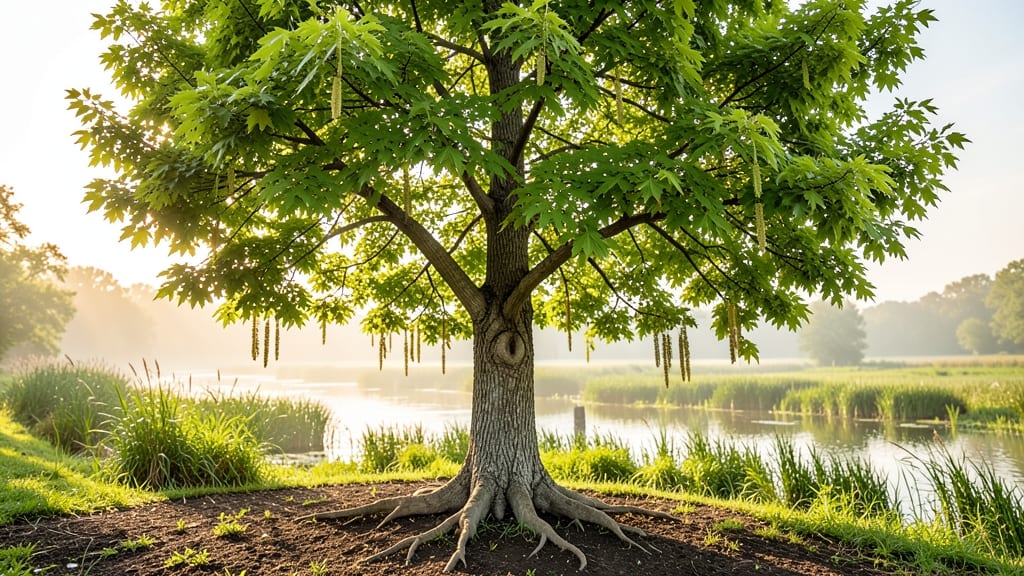
Planting poplar trees in South Carolina gives you fast-growing shade that outpaces most other species—some grow 10 feet per year under ideal conditions. 🌳 I’ve watched these trees transform bare yards into cool, leafy retreats in just a few seasons, with minimal fuss from me.
The Eastern Cottonwood and Carolina Poplar are the top picks for our humid climate, thriving where other shade trees struggle.
These trees love our sandy soils and high humidity, but they’re not picky about drainage—unlike many Southern favorites. You’ll need full sun for best growth, and while they handle heat well, mulching keeps roots cool during those brutal August afternoons.
The real win? Their minimal pruning needs—just remove dead branches in late winter, and you’re done.
By year three, you’ll have a towering canopy that blocks summer sun while letting winter light through. The trade-off? Poplars have shallow roots, so keep them away from foundations or sidewalks. With proper spacing, they’ll outperform slower-growing oaks or maples without the constant upkeep.
Perfect for large yards, farm borders, or even as windbreaks—they grow so quickly you’ll see results faster than with traditional shade trees. Just watch for aphids and borers, which love poplars, and treat them early. Ready to plant one?
📚 In This Guide
- What you need
- Instructions
- Tips and common mistakes
- Wrapping up and next steps
What you need
- ● Poplar Tree Sapling: Choose a native species like Liriodendron tulipifera (tulip poplar) or Populus deltoides (eastern cottonwood). Buy from a local nursery or SC Forestry Commission-approved vendor.
- ● Shovel: Medium-sized (18–24 inches) for digging planting holes.
- ● Native Soil or Mulch: 5–10 bags (3–5 cubic feet each) of pine bark fines or compost (avoid cedar mulch—it’s toxic!).
- ● Watering Can or Hose: With a gentle spray nozzle for post-planting hydration.
- ● Gloves & Long-Sleeve Clothing: Poplar saplings may have thorns or sap.
- ○ Tree Stake (Optional but Recommended): 1–2 stakes (4–6 feet tall) + soft tree tie (for young trees in windy areas).
- ● Pruning Shears: Bypass pruners (for branches <1 inch thick).
- ● Loppers: 6–8 inch blades (for branches 1–3 inches thick).
- ● Pruning Saw: Curved-tooth saw for thicker branches (3+ inches).
- ● Disinfectant: 70% isopropyl alcohol or bleach solution (1 part bleach : 9 parts water) to sterilize tools between cuts.
- ● Rake: For clearing debris around the base.
- ● Sunlight: Poplars thrive in full sun (6+ hours/day)—pick a spot with minimal competition.
- ● Soil Type: Tolerates clay, loam, or sandy soil (common in SC), but avoid waterlogged areas.
- ● Spacing: Plant saplings 30–50 feet apart to allow airflow (reduces disease risk).
- ● Water Source: Ensure easy access for the first 2–3 years (deep watering 2–3x/week).
- ● Local Regulations: Check with your county extension office for invasive species rules (some poplars are restricted in SC).
How to plant and care for fast-growing poplar trees in South Carolina
Here's how to grow these shade giants quickly—with minimal fuss and maximum impact.
🌱 Step 1: Choose the Right Location and Timing
Poplars thrive in full sun but tolerate partial shade, making them perfect for South Carolina's varied climates. Look for a spot with at least 6 hours of direct sunlight daily, preferably with room to spread—mature trees reach 50-70 feet wide. The best planting time is late fall or early spring when soil temperatures are cool but stable.
I always check the soil first—poplars love moist, well-draining soil but won't tolerate standing water. If your yard has heavy clay, amend with 2-3 inches of compost mixed into the top 12 inches of soil. This helps roots establish faster, which means quicker shade for your property.
🪴 Step 2: Dig the Hole and Plant with Proper Spacing
Dig a hole twice as wide as the root ball but only as deep as the container's base. Poplars grow fast, so spacing matters—plant 40-50 feet apart for single-trunk growth or 20-30 feet apart if you want a thick hedge effect. I dig a slight mound in the center of the hole to help roots spread outward instead of circling.
Place the tree so the top of the root ball sits 1-2 inches above ground level. This prevents rot while allowing roots to expand downward. Backfill with native soil (no amendments) and tamp gently to remove air pockets. Water immediately with 5 gallons to settle the soil around roots.
☀️ Step 3: Water Deeply and Mulch for Fast Growth
Poplars need consistent moisture, especially in South Carolina's hot summers. Water 2-3 times weekly for the first 3 months, then taper to once weekly once established. You'll know it's working when you see new leaves unfurling within 4-6 weeks—that's your sign the roots are drinking up water.
Spread 3-4 inches of mulch in a 3-foot diameter circle around the base, keeping it 6 inches away from the trunk. Use wood chips or pine straw—they retain moisture and cool roots. Replenish mulch annually to maintain this protective layer. I check mulch depth every spring; if it's broken down, I top it off before summer heat arrives.
✂️ Step 4: Prune Strategically for Strong Structure
Poplars are low-maintenance, but a little pruning early on prevents weak branches. Remove any dead, crossing, or inward-growing branches in late winter or early spring before new growth starts. Use clean, sharp pruners to make cuts just outside the branch collar. I never prune more than 25% of the canopy at once—this keeps the tree healthy and encourages fast regrowth.
Watch for "water sprouts"—those skinny vertical shoots that pop up along the trunk. Snip them off at the base as soon as you see them. Left unchecked, they sap energy from the main trunk. Poplars grow so quickly that a little attention now means fewer headaches later when branches get too heavy.
🌿 Step 5: Monitor for Pests and Adjust Care Seasonally
South Carolina's humidity makes poplars susceptible to aphids and spider mites. I inspect leaves weekly during growing season—look for sticky residue (aphids) or fine webbing (mites). Spray with neem oil if you spot them, but poplars are tough and usually bounce back fast. The key is catching issues early before they spread.
In winter, poplars go dormant but still need care. Reduce watering to once every 2-3 weeks unless we have a dry spell. Young trees benefit from a light winter mulch layer (2-3 inches) to protect roots from freezing. Mature poplars handle our mild winters just fine, but a little extra care in their first few years sets them up for decades of fast, healthy growth.
Tips & tricks for fast-growing poplar trees in South Carolina
These simple tricks will help your poplar trees grow faster and establish stronger roots in our climate.
Location and Sunlight: While poplars tolerate partial shade, they grow fastest with that full 6 hours of direct sunlight we mentioned. If your yard has areas with morning sun and afternoon shade, choose the sunniest spot possible. I've seen poplars in partial shade grow 30% slower over their first two years—so don't skimp on sunlight if you want that quick shade coverage. The wider the mature tree's reach (50-70 feet), the more valuable that fast growth becomes.
Soil Preparation: That 2-3 inches of compost we recommend mixing into the top 12 inches of heavy clay soil isn't just about nutrients—it's about breaking up compaction. Use a broadfork to loosen the soil before adding compost, especially if your yard has been heavily trafficked. Poplars hate soggy roots but love good drainage, so if your soil feels like packing clay, consider adding some coarse sand to the mix too. This helps roots spread outward rather than circling the root ball.
Watering Strategy: The 2-3 times weekly watering for the first 3 months might seem like a lot, but think of it this way: you're training those roots to grow deep. Water deeply each time—about 5 gallons per tree—to encourage downward growth. I use a soaker hose for this because it delivers water right at the root zone without wetting the leaves, which helps prevent fungal issues. The goal is to keep the soil consistently moist, not soggy.
Mulching Technique: That 3-4 inches of mulch in a 3-foot diameter circle isn't just decoration—it's insulation. In South Carolina's summers, mulch keeps roots cool, and in winters, it protects against temperature swings. I always use wood chips because they break down slowly, maintaining that protective layer. Just remember to keep it 6 inches away from the trunk to prevent rot. Refresh it annually in spring before the heat arrives—this simple step can make your poplars 20% more drought-resistant.
Pro Tips for Poplar Tree South Carolina
- These simple tricks will help your poplar trees grow faster and establish stronger roots in our climate.
- Location and Sunlight: While poplars tolerate partial shade, they grow fastest with that full 6 hours of direct sunlight we mentioned.
- Soil Preparation: That 2-3 inches of compost we recommend mixing into the top 12 inches of heavy clay soil isn't just about nutrients—it's about breaking up compaction.
Frequently asked questions
What’s the best time to plant a poplar tree in South Carolina?
Plant poplars in early spring or late fall (September–November) when soil is moist but not frozen. Avoid summer heat, which stresses young roots. South Carolina’s mild winters make fall ideal—just ensure the ground isn’t waterlogged.
Do poplars have invasive roots that damage foundations or sewer lines?
Yes! Eastern cottonwoods (a poplar type) have aggressive roots, but Southern catalpa or Carolina silverbell (native alternatives) grow more gently. If planting near structures, choose Populus deltoides ‘Siouxland’—a less invasive cultivar—or plant at least 30–50 feet away from foundations.
How often should I prune a poplar tree in South Carolina’s climate?
Poplars need minimal pruning—just remove dead/diseased branches annually (winter or early spring). Avoid heavy pruning; it encourages weak growth. Never top poplars—it stresses the tree and invites pests. Focus on shaping young trees for airflow.
What pests or diseases should I watch for in SC poplar trees?
Common issues include:
- Aphids: Sap-sucking insects causing sticky leaves (hose them off or use insecticidal soap).
- Poplar borers: Look for sawdust-like frass at branch bases—prune infested limbs immediately.
- Leaf rust: Orange pustules on undersides? Thin foliage and improve airflow.
Mulch and water deeply (1–2 inches/week) to boost resilience.
Are there faster-growing poplar alternatives for quick shade in SC?
If poplars grow too fast for your space, try:
- Green ash (Fraxinus pennsylvanica) – 3–5 ft/year, drought-tolerant.
- Eastern redbud (Cercis canadensis) – 1–2 ft/year, stunning spring blooms.
- Sycamore (Platanus occidentalis) – 4–6 ft/year, disease-resistant.
All thrive in SC’s Zone 7–8 climates!
Wrapping up and next steps
Poplar trees in South Carolina are a fantastic choice for homeowners seeking fast-growing shade with low-maintenance pruning. Their rapid growth and hardy nature make them ideal for landscapes, but understanding their unique needs—like avoiding over-pruning—ensures they thrive for years.
Whether you're planting a new tree or tending to an existing one, a little care goes a long way! 🌳
Ready to enjoy the benefits of a poplar tree? Start by assessing your space, gathering the right tools, and following best practices for planting and pruning. With the right approach, you’ll have a stunning, shade-providing tree that requires minimal effort—just like nature intended! 🌿