
Pruning
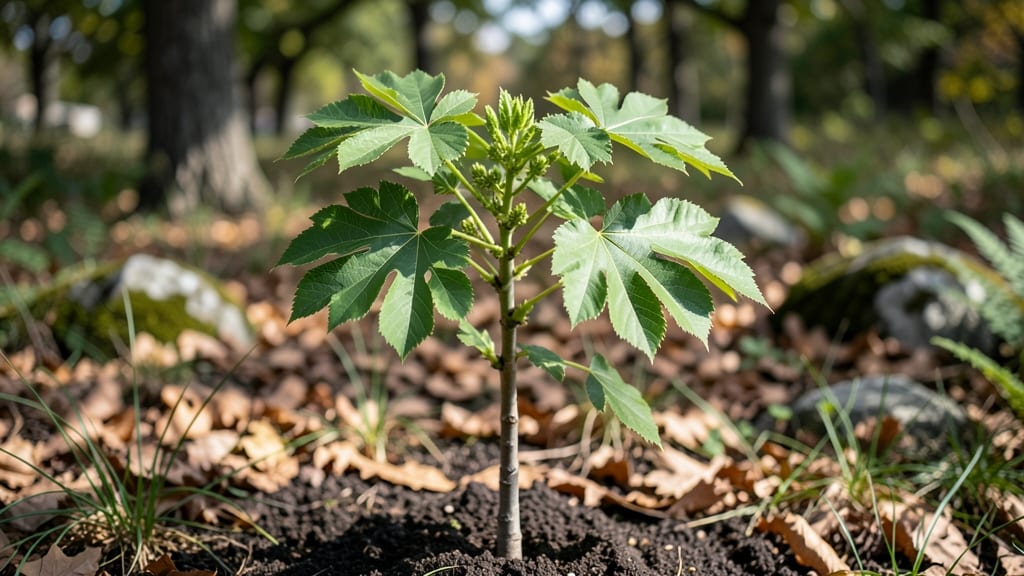
Your buckeye tree sapling's dormant season is the perfect time to shape its future—stronger branches start with the right cuts. ✂️ I learned this the hard way after seeing my first sapling struggle with weak growth after winter, but now I trim with purpose every year.
The key isn't just cutting back—it's encouraging the right structure before spring's growth surge. You'll need sharp pruners, a clean workspace, and about 30 minutes to assess the tree's natural shape. Focus on removing dead wood first, then thin out crowded branches to let light reach the center.
Native buckeyes like Aesculus glabra respond best to light pruning—never remove more than 25% of the canopy in one season. What you'll end up with is a sturdy, well-balanced sapling ready to burst with new leaves in spring.
The branches will be thicker, the canopy more open, and the tree less prone to storm damage. I've seen saplings I've pruned this way grow two feet taller in their first full season.
This method works for both Ohio buckeyes (A. glabra) and horse chestnuts (A. hippocastanum), though the latter benefits from slightly heavier pruning. Just avoid trimming in late winter when buds are already swelling—timing matters more than you'd think.
📚 In This Guide
- What you need
- Instructions
- Tips and common mistakes
- Wrapping up and next steps
What you need
- ● Gearing up for your buckeye tree sapling trimming session? Here’s everything you’ll need to tackle dormant-season pruning like a pro—keeping your tree healthy and ready for spring growth! 🌳✂️
- ● Pro tip: 💡 Check your tools before starting! Dull blades tear bark, which invites disease. Sharpen or replace as needed.
How to prune a buckeye sapling for healthy spring growth
Dormant season is the perfect time to shape your young buckeye—here’s how to do it right.
🌿 Step 1: Assess the Sapling’s Structure Before Cutting
Start by examining the sapling’s branches from all angles. Look for any that grow inward, cross each other, or rub against one another—these are called water sprouts or suckers and should be removed first. Use your hand to gently trace each branch’s path; if it’s growing toward the center of the tree, it’ll compete with others for sunlight and nutrients.
Next, identify any dead, diseased, or broken branches. These are easy to spot—they’ll be brown, brittle, or missing bark. Snap a small section to test: if it’s hollow or crumbly inside, it’s dead and needs removal. Healthy wood should bend slightly before snapping with a fresh, green break. Mark these branches with a piece of twine or tape so you don’t miss them during trimming.
✂️ Step 2: Remove Problem Branches with Precision Cuts
Grab your pruning shears and start with the easiest fixes: those water sprouts and suckers. Cut them back to their point of origin—where they meet the main trunk or a larger branch—using a clean, angled cut about ¼ inch above a bud facing outward. This ensures the wound heals faster and new growth emerges in the right direction.
For dead or diseased branches, make your cut just outside the branch collar—the swollen area where the branch meets the trunk. Avoid leaving stubs, as they invite rot and pests. If a branch is thicker than ½ inch, switch to your pruning saw and cut on the underside of the branch to avoid tearing the bark. Step back occasionally to check your progress—you should see an open, airy structure emerging.
☀️ Step 3: Thin the Canopy for Better Light Penetration
Now focus on thinning the canopy to let sunlight reach the inner branches. Aim to remove no more than 25% of the foliage in one season—buckeyes are resilient, but over-pruning stresses young saplings. Start at the top and work your way down, removing branches that block light from reaching lower layers. You’ll know you’re doing it right when you can see light filtering through the outer branches.
Pay special attention to branches that grow straight upward—these are called vertical leaders and can become weak or break under snow or wind. Select one strong, central leader to keep and remove competing vertical branches at their base. This encourages a sturdy, balanced structure. After each cut, step back and visualize how light and air will move through the tree—this is your guide.
🪴 Step 4: Clean Up and Monitor for New Growth
Once you’ve finished trimming, gather all the clippings and dispose of them properly. If you notice any signs of disease (like oozing sap or fungal growth), sterilize your tools with rubbing alcohol before storing them. Now’s also a good time to apply a dormant oil spray if you’ve spotted pests like scale or aphils—buckeyes are tough, but young saplings benefit from an extra layer of protection.
In early spring, you’ll see new buds forming where you made your cuts. These are your reward for careful pruning! Keep an eye on the sapling over the next few weeks—if you notice any leaves yellowing or wilting, it could mean you removed too much foliage. Adjust your approach next year by trimming only the necessary branches and focusing on shaping rather than thinning.
Tips & tricks for pruning young buckeye saplings
Pruning a young buckeye sapling might seem intimidating, but these key insights will help you shape it for long-term health without causing stress.
Tool Prep: Before you even touch a branch, sharpen your pruning shears and sterilize them with rubbing alcohol. Dull blades tear wood instead of making clean cuts, which slows healing and invites disease. I always check my tools first—it’s like prepping your knives before cooking. A sharp cut at the right angle (about ¼ inch above a bud) makes all the difference in how quickly the wound seals.
Visualize the Final Shape: Step back and study the sapling’s natural growth pattern before making any cuts. Buckeyes grow best with an open, airy structure, so imagine sunlight filtering through the branches. In Step 3, when you’re thinning the canopy, focus on removing branches that block light from reaching the inner crown. This isn’t just about aesthetics—it prevents future issues like fungal growth from poor air circulation.
Branch Collar Awareness: The branch collar (that swollen area where a branch meets the trunk) is your guide for making clean cuts. Never leave stubs—this is one of the most common mistakes that leads to rot. For branches thicker than ½ inch, use your pruning saw and cut just outside the collar on the underside of the branch. This technique prevents tearing the bark, which bucksaplings are particularly sensitive to during dormant season.
Pest Prevention: After pruning, inspect the sapling for signs of pests like scale or aphils. If you spot any, apply a dormant oil spray—this is especially important for young trees. I’ve seen buckeyes recover from pruning only to get stressed by pests later. The key is timing: dormant season is the perfect window to both prune and treat for pests without harming the tree’s active growth.
Pro Tips for Buckeye Tree Sapling
- Pruning a young buckeye sapling might seem intimidating, but these key insights will help you shape it for long-term health without causing stress.
- Tool Prep: Before you even touch a branch, sharpen your pruning shears and sterilize them with rubbing alcohol.
- Visualize the Final Shape: Step back and study the sapling’s natural growth pattern before making any cuts.
Frequently asked questions
Got questions about pruning your buckeye tree sapling during dormancy? Here are answers to the most common ones to help you prepare for a thriving spring.
When is the best time to prune a young buckeye sapling?
Prune your buckeye sapling during late winter or early spring (just before buds swell) or in fall after leaf drop. Avoid pruning in late spring or summer, as it can stress the tree and invite pests. Dormant season is ideal because the tree isn’t actively growing, so it recovers faster.
How much can I trim off a buckeye sapling without harming it?
For young saplings, never remove more than 25% of the total foliage in one season. Focus on dead, diseased, or crossing branches first. Over-pruning can weaken the tree and reduce its ability to support new growth. If you’re unsure, start with light trimming and observe the tree’s response.
What if I missed the dormant season window? Can I still prune?
Yes, but time it carefully. If you must prune outside dormancy, do so on a cool, overcast day to minimize stress. Avoid pruning during heatwaves or extreme cold. Light trimming for safety (e.g., removing broken branches) is better than heavy cuts. Just be prepared for slower recovery.
Are there alternatives to pruning if my buckeye sapling looks unhealthy?
If your sapling is struggling, focus on soil health first. Amend the soil with compost, ensure proper drainage, and water deeply but infrequently. If pests (like borers) or disease (like powdery mildew) are the issue, prune only the affected areas and treat with organic fungicides or insecticidal soap. Avoid heavy pruning unless absolutely necessary.
How do I know if my pruning cuts are healing properly?
Healthy pruning cuts should seal over within 1–2 growing seasons. Look for smooth, calloused tissue forming over the wound (not rough or oozing sap). If you see discoloration, excessive sap, or fungal growth, clean the cut with a 10% bleach solution and apply pruning sealant (optional for small wounds). Monitor for new growth in spring!
Wrapping up and next steps
Giving your buckeye tree sapling the tender loving care it needs during dormancy sets the stage for a vibrant, resilient spring. By mastering the right tools, techniques, and timing, you’re not just pruning—you’re investing in its long-term health and beauty. 🌱✨
Ready to see your efforts bloom? Start small—pick one branch to practice your cuts, then gradually expand. And remember: patience and observation are your best allies in nurturing a thriving buckeye tree!