
Diseases
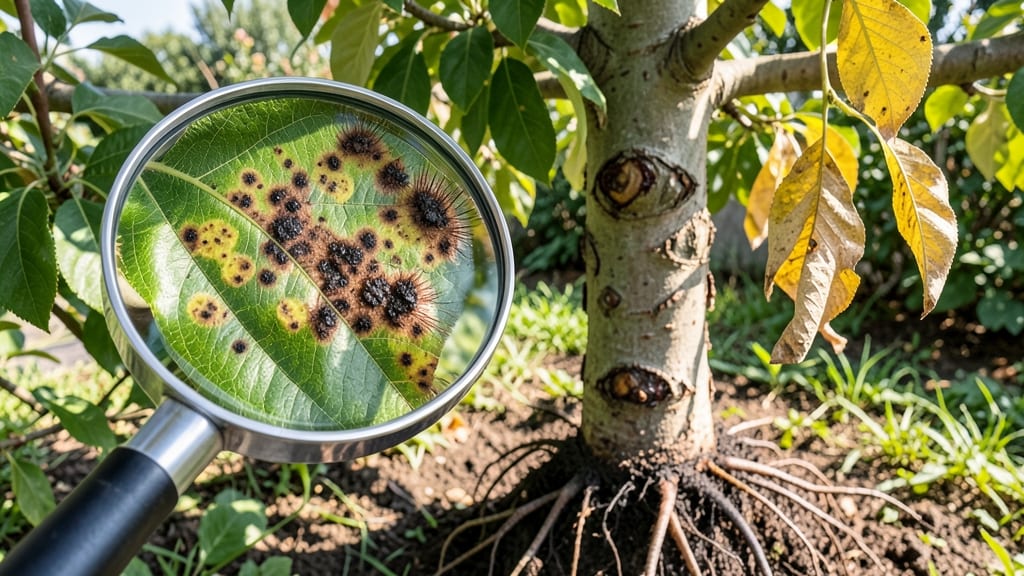
Spotting pictures of peach tree diseases early can save your harvest—and your tree. 🌱 I’ve watched brown rot turn lush peaches into mushy messes, and leaf curl twist branches into gnarled nightmares, so I know how critical it is to catch these issues before they spread.
This guide gives you the visual clues you need to recognize fungal spots, bacterial cankers, and blight the moment they appear.
The worst part? Many of these diseases start with symptoms so subtle they’re easy to miss—until it’s too late. A single brown spot on a leaf might seem harmless, but by the time you notice peach pits rotting in the fruit, the tree’s already fighting for its life.
That’s why I’m sharing the exact signs to watch for, from fuzzy mold on blossoms to oozing cankers on bark.
With these pictures and tips, you’ll spot trouble before it takes hold. A quick spray of copper fungicide or a pruning cut can stop some diseases dead in their tracks.
The goal isn’t to panic—it’s to act fast, so your tree stays strong and your peaches stay sweet all season long.
Whether you’re dealing with a young tree or a mature orchard, these visual guides work for any peach grower. Let’s get your tree back to healthy—and keep those juicy peaches coming.
Root Causes Of Tree Stress
Peach trees, like any living organism, are vulnerable to diseases when their defenses weaken. Understanding why these issues arise helps you take preventive action before problems escalate. Here’s a breakdown of the key factors that make peach trees susceptible to fungal infections, bacterial cankers, and other common ailments.
Peach trees thrive in specific conditions—when those conditions shift, their immune systems falter, leaving them open to pathogens.
- Extreme Temperatures:
Sudden temperature swings—especially late spring frosts followed by scorching heat—disrupt cell function. Cold snaps can damage buds and bark, creating entry points for Cladosporium (brown spot disease) or Monilinia (brown rot).
Heat stress weakens the tree’s ability to produce protective compounds like phenols, making it easier for fungi to colonize leaves and fruit.
- Poor Air Circulation:
Dense foliage or planting trees too closely together traps moisture, creating a humid microclimate. Fungi like Peach Leaf Curl (Taphrina deformans) thrive in these conditions, spreading spores more efficiently. Even a single infected branch can turn a whole orchard into a breeding ground.
- Waterlogged Soil:
Peach trees hate soggy roots. Excess moisture suffocates beneficial microbes, while Phytophthora and other soil-borne pathogens multiply. Root rot and trunk cankers often follow, as the tree’s energy shifts from growth to survival—leaving it defenseless against above-ground invaders like Xanthomonas (bacterial spot).
Even the hardiest peach tree will struggle if basic care is neglected. These human-made mistakes create perfect conditions for disease.
- Overhead Irrigation:
Watering from above keeps leaves wet for hours, turning them into spore launchpads. Fungal spores like those of Alternaria (alternaria leaf spot) need just 12–24 hours of leaf wetness to germinate. Drip irrigation or soaker hoses eliminate this risk by delivering water to the roots.
- Lack of Pruning:
Overgrown branches block sunlight and airflow, slowing drying time. Pruning also removes infected twigs—if you ignore dead or diseased limbs, cankers (like those caused by Leucostoma) spread unchecked. Pro tip: Always sterilize pruners with rubbing alcohol between cuts to avoid cross-contamination!
- Improper Soil pH:
Peach trees prefer slightly acidic soil (pH 6.0–6.5). Outside this range, nutrient uptake falters, and beneficial microbes (like Trichoderma fungi) that suppress pathogens weaken. Low pH can also increase aluminum toxicity, further stressing the tree. Test your soil annually and amend with lime or sulfur as needed.
Some diseases are inevitable, but their severity depends on how aggressively they’re introduced and how well your tree resists them.
- Spore Load in the Air:
Fungal spores are everywhere—especially in orchards where peach trees have grown for years. Wind, rain, and even pollinators can carry Monilinia spores from infected blossoms to healthy ones. Peach scab (Cladosporium carpophilum) overwinters in mummified fruit, releasing spores the next spring.
- Insect Vectors:
Some diseases hitchhike on pests. For example, Xylella fastidiosa (which causes peach leaf scorch) spreads via spittlebugs and leafhoppers. If your tree is already stressed, these insects can deliver bacterial infections that would otherwise be repelled.
- Weak Tree Varieties:
Not all peach cultivars are created equal. Some, like Elberta or Redhaven, are more susceptible to brown rot or leaf curl due to genetic vulnerabilities. If you’re planting new trees, choose disease-resistant varieties like Contender or Loring—or at least cross-pollinate to boost genetic diversity.
Beneath the surface, a hidden battle rages between beneficial microbes and pathogens. Disrupt this balance, and your peach tree pays the price.
- Fungal Imbalance:
Healthy soil teems with Trichoderma and Gliocladium fungi, which outcompete harmful pathogens. But heavy use of synthetic fungicides or broad-spectrum antibiotics can wipe these out, leaving Botryosphaeria (a canker-causing fungus) free to dominate.
- Nematode Infestations:
Root-knot nematodes feed on peach tree roots, reducing water and nutrient uptake. A stressed tree is more likely to fall victim to Verticillium wilt or other vascular diseases. Solarizing soil or planting marigolds (a natural nematode repellent) can help.
- Competition from Weeds:
Weeds steal water and nutrients, weakening the tree’s immune response. They also harbor pests and diseases that jump to your peach tree. Mulching with wood chips (not fresh sawdust) suppresses weeds while retaining moisture.
Key Takeaway: Most peach tree diseases are opportunistic—they exploit stress, not cause it directly. By addressing environmental, cultural, and microbial factors, you can dramatically reduce your tree’s susceptibility. Think of it like building a fortress: the stronger the defenses, the harder it is for invaders to break through. 🏰🌿
Fixing Peach Tree Diseases Step-by-Step
Now that you’ve identified the problem—whether it’s fungal spots, bacterial cankers, or blight—it’s time to act! Early intervention is key to saving your peach tree. Below are practical, step-by-step solutions tailored to each common disease, plus prevention tips to keep your tree thriving.
Cause: Fungal spores thrive in warm, humid conditions, often spreading through rain or overhead watering.
How to Treat It
- 🔥 Remove Infected Parts Immediately
- Prune away all diseased leaves, fruit, and branches (at least 6 inches below visible damage). Sterilize pruners with rubbing alcohol between cuts to prevent cross-contamination.
- 🍳 Apply Fungicide (Organic or Chemical)
- Copper fungicide (like copper sulfate) or neem oil work well for organic growers. For severe cases, use fungicides with chlorothalonil or myclobutanil (follow label instructions).
- Best timing: Apply preventatively in spring (before blooms) and every 2–4 weeks during wet seasons.
- 🌡️ Improve Air Circulation
- Thin out dense branches to reduce humidity near the tree. Avoid overcrowding with other plants.
- 🎯 Sanitize the Area
- Rake up and dispose of fallen leaves (don’t compost them). Clean tools and remove mummified fruit from last season.
💡 Prevention Tips
- Water at the base (not overhead) to keep foliage dry.
- Space trees 15–20 feet apart for airflow.
- Plant resistant varieties like ‘Redhaven’ or ‘Elberta’ if fungal diseases are recurrent.
Cause: Bacteria (Pseudomonas syringae) enter through wounds, spreading in wet conditions.
How to Treat It
- 👨🍳 Prune Strategically (But Carefully!)
- Cut out cankered branches (sterilize tools between cuts!). Do not burn prunings—bag and trash them to prevent spore spread.
- Avoid pruning during wet weather (bacteria spreads easily).
- 🥘 Use Copper-Based Bactericides
- Spray copper fungicide (e.g., Bordeaux mixture) every 7–10 days during spring and summer. No chemical fungicides work for bacteria—copper is your best bet.
- ⏰ Monitor for Re-Infection
- Check for new cankers weekly. If the tree is young or heavily infected, removal may be necessary to save nearby trees.
💡 Prevention Tips
- Avoid wounding the tree (e.g., rough pruning, hail damage). Seal pruning cuts with pruning sealant (though this is debated—some say it traps moisture).
- Plant in well-drained soil to reduce bacterial survival.
- Choose disease-resistant rootstock like ‘Lovell’ or ‘Nemaguard’.
Cause: Taphrina deformans overwinters on buds, causing thickened, curled leaves in spring.
How to Treat It
- 🔪 Dormant Season Spray (Most Critical Step!)
- Apply copper fungicide or lime-sulfur spray before buds swell (late winter/early spring). Repeat in 2–3 weeks if rain occurs.
- Pro tip: If you miss this window, remove all infected leaves as soon as you spot them.
- 🌿 Boost Tree Health
- Fertilize in fall with potassium-rich compost to strengthen the tree’s defenses.
- Thin fruit to reduce stress—leaf curl weakens the tree, making it more susceptible to other diseases.
💡 Prevention Tips
- Plant in full sun (leaf curl thrives in shady, damp conditions).
- Avoid overhead irrigation once buds form.
- Choose resistant varieties like ‘Contender’ or ‘Reliance’.
| Step | Action |
|---|---|
| Inspect weekly | Catch new symptoms early! |
| Mulch properly | Use 2–4 inches of wood chips (keep 6” from trunk to prevent rot). |
| Test soil pH | Aim for 6.0–6.5 (fungi love acidic soil; amend with lime if needed). |
| Encourage beneficials | Ladybugs and lacewings help control pests that stress trees. |
Final Note: If your tree is severely infected (e.g., multiple cankers, widespread leaf curl), consult a local arborist—sometimes removal is the kindest option to protect your orchard.
Your peach tree can bounce back with the right care—stay vigilant! 🌱🔍
Frequently asked questions
What's the fastest way to confirm if my peach tree has brown rot?
Look for mummified fruit still clinging to branches in winter—this is the classic sign of brown rot (Monilinia). In spring, check for tan or brown spots with fuzzy gray centers on leaves and fruit. The disease thrives in wet conditions, so if you see these symptoms after rain, it’s likely brown rot.
Can I save my peach tree if it has bacterial cankers?
Early action is key! Prune out infected branches 6 inches below visible cankers and sterilize tools with rubbing alcohol. Apply copper fungicide every 7-10 days during wet seasons. If cankers appear on more than 30% of the trunk, consult an arborist—the tree may need removal to prevent spread.
Why do my peach leaves look curled and thickened?
This is peach leaf curl, caused by the fungus Taphrina deformans. The curled, leathery leaves appear in spring after overwintering spores infect buds. The good news? It’s treatable! Apply copper fungicide or lime-sulfur spray before buds swell (late winter) for best results.
How do I tell the difference between fungal spots and bacterial spots?
Fungal spots (like brown rot or leaf spot) often have fuzzy or powdery textures and spread gradually. Bacterial spots (Xanthomonas) appear as water-soaked, greasy-looking marks that turn yellow/brown with raised edges. Bacterial infections also spread faster in wet conditions and ooze when wet.
Will my peaches still be safe to eat if the tree has disease?
It depends! Fungal diseases (like brown rot) can make fruit unsafe to eat if heavily infected—look for mushy, discolored pits inside. Bacterial spots may not affect taste but can reduce quality. When in doubt, discard heavily diseased fruit and focus on treating the tree to protect next year’s harvest.