
Pruning
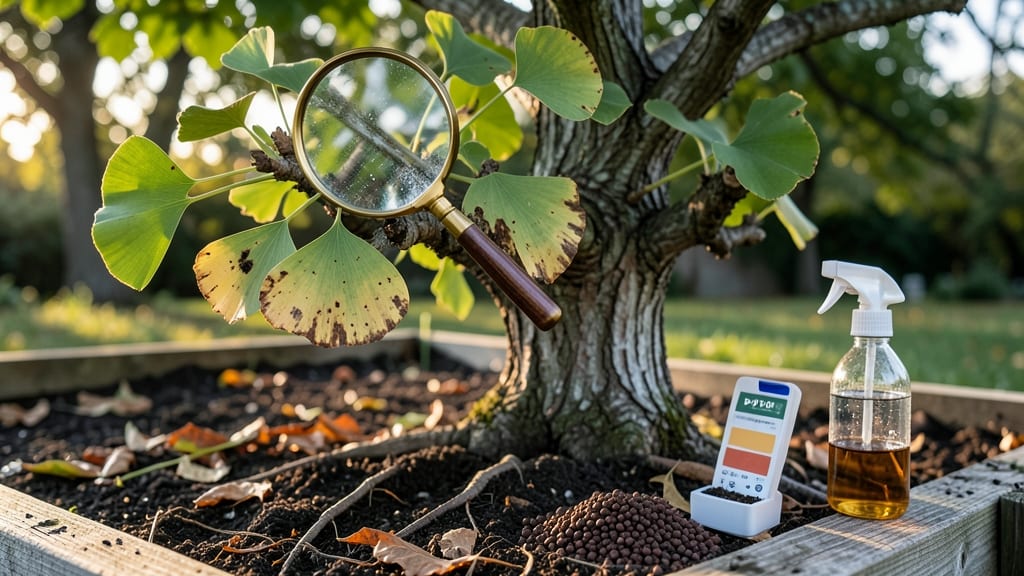
Your ginkgo tree’s leaf problems shouldn’t look like this—yellowing, spotted, or curling means something’s off, and we’re fixing it fast. 🌿 I’ve seen ginkgos go from struggling to thriving in just a few weeks once we pinpointed the real issue, whether it’s pests, disease, or simple care mistakes.
The key is acting before the problem spreads deeper into the tree.
Most leaf issues start with watering habits—too much or too little—but pests like scale insects or spider mites leave telltale signs: sticky residue, tiny webs, or chewed edges. Fungal spots often appear as dark, greasy patches, while nutrient deficiencies (like iron chlorosis) turn leaves pale yellow with green veins.
Grab a magnifying glass and check for these clues before reaching for treatments.
Once you know the culprit, the fix is straightforward: prune damaged branches, adjust watering, or apply targeted sprays (neem oil for pests, copper fungicide for spots). I’ve saved trees with nothing more than a sharp pair of shears and a hose sprayer—no fancy tools needed.
The goal is to restore those vibrant, fan-shaped leaves by the next growing season.
Prevention is easier than cleanup: mulch properly, water deeply but infrequently, and inspect leaves monthly. A healthy ginkgo should have deep green, glossy foliage—no more guessing games. Let’s get those branches looking strong again.
Root Causes Of Leaf Issues
Ginkgo trees (Ginkgo biloba) are hardy survivors, but their leaves can still signal distress through discoloration, spots, or curling. Understanding the why behind these symptoms is the first step to restoring your tree’s health.
Below, we break down the most common culprits—from environmental stressors to pests—and explain the science behind their damage.
Ginkgo trees thrive in USDA Zones 3-8, but extreme or sudden shifts in temperature, humidity, or water availability can trigger leaf problems. Here’s how:
- Heat Stress:
When temperatures exceed 90°F (32°C) for prolonged periods, ginkgo leaves may develop brown or yellow margins (a condition called scorch). This happens because:
- ✅ Stomatal closure: Pores (stomata) on leaves shut to conserve water, but this also blocks gas exchange, leading to oxidative stress in cells.
- ✅ Chlorophyll breakdown: High UV exposure accelerates the degradation of chlorophyll, causing bleaching or necrosis (dead tissue).
- Cold Damage:
Frost below 20°F (-7°C) can cause blackened or brittle leaves, especially in young trees. The science:
- ❄️ Ice crystal formation: Water in leaf cells freezes, rupturing cell membranes and disrupting nutrient transport.
- ❄️ Photosynthesis shutdown: Cold halts chlorophyll production, leaving leaves yellow (chlorotic) or brown (necrotic).
- Drought or Overwatering:
Ginkgos hate "wet feet" but also wilting from dry soil. Both extremes cause:
- 💧 Root oxygen deprivation: Overwatering suffocates roots, starving leaves of nutrients and causing yellowing between veins (interveinal chlorosis).
- 🌵 Water deficit: Drought triggers abscisic acid (ABA) production, a hormone that signals leaves to curl or drop prematurely.
💡 Pro Tip: Ginkgos prefer well-draining soil and consistent moisture—aim for 1–1.5 inches of water per week (more in containers). Mulch with wood chips (2–3 inches) to regulate soil temperature and retain moisture.
Fungi and bacteria thrive in humid, stagnant conditions, often exploiting stress from poor care. Here’s how they attack:
| Problem | Cause | Leaf Symptoms | Scientific Mechanism |
|---|---|---|---|
| Anthracnose (fungus) | Splashing water or overhead irrigation in warm, wet springs. | Dark, sunken spots with yellow halos; leaves may crinkle or drop. | The fungus Colletotrichum releases cellulolytic enzymes that break down leaf tissue, creating necrotic lesions. |
| Rust Fungus (e.g., Puccinia) | Alternate hosts (like barberry bushes) or high humidity. | Orange-yellow pustules on undersides; leaves may yellow and thin. | Fungal spores inject haustoria into leaf cells, siphoning nutrients and disrupting photosynthesis. |
| Bacterial Leaf Spot (e.g., Pseudomonas) | Wound sites (e.g., from pruning) or contaminated tools. | Water-soaked, greasy spots that turn brown; margins may scorch. | Bacteria secrete toxins and enzymes (like pectate lyase) that dissolve plant cell walls. |
🔥 Prevention Tip: Space ginkgo trees 15–20 feet apart for airflow, and avoid overhead watering. Clean pruners with 70% isopropyl alcohol between cuts to prevent bacterial spread.
While ginkgos are pest-resistant, aphids, scale, and spider mites can still target stressed trees. Here’s how they wreak havoc:
- Spider Mites:
These microscopic arachnids thrive in dry, hot conditions and:
- 🕷️ Pierce cells: Insert stylets to suck sap, causing stippling (white/yellow dots).
- 🕷️ Webbing: Heavy infestations create silver threads between leaves, blocking light.
- 🌡️ Stress response: Leaves may curl upward as the tree attempts to conserve water.
- Aphids & Scale:
These sap-sucking insects excrete honeydew, a sticky residue that:
- 🍯 Attracts sooty mold: A black fungal growth that coats leaves, reducing photosynthesis by 30–50%.
- 🍃 Weaken the tree: Heavy infestations cause yellowing (chlorosis) and premature leaf drop.
🎯 Actionable Fix: Blast pests off with a strong stream of water (early morning). For bad infestations, use neem oil (1% solution) or insecticidal soap. Ladybugs and lacewings are natural predators—invite them with dill or fennel plants nearby!
Ginkgos are not heavy feeders, but poor soil or over-fertilization can lead to leaf problems:
| Deficiency | Symptom | Why It Happens |
|---|---|---|
| Iron (Fe) | Interveinal chlorosis (yellowing between veins, especially on new growth
Quick Fixes for Ginkgo Tree Leaf IssuesRevitalizing your ginkgo tree’s leaves starts with identifying the root cause—but once you know what’s wrong, the fixes are often simpler than you think! Below are practical, step-by-step solutions for common ginkgo leaf problems, from yellowing to spots and curling. We’ve also included prevention tips to keep your tree thriving long-term. --- Yellowing leaves are usually a sign of nutrient deficiencies or poor drainage, but don’t panic—this is often reversible! #### 🔥 Step 1: Test Your Soil - Grab a small soil sample (6 inches deep) and send it to a local extension office or use a DIY soil test kit (available at garden centers). - What to look for: pH levels (ginkgos prefer 6.5–7.5) and nutrient deficiencies (especially iron, magnesium, or zinc). #### 🍳 Step 2: Amend the Soil - For acidic soil (pH <6.5): Mix in lime (calcium carbonate) to raise pH. Follow package instructions—usually 1–2 lbs per 100 sq ft. - For alkaline soil (pH >7.5): Add sulfur or peat moss to lower pH gradually. - For nutrient deficiencies: - Iron deficiency (yellowing between veins): Apply chelated iron (like Ironite) or Epsom salt (1 tbsp per gallon of water, sprayed on leaves). - Magnesium deficiency (yellow patches): Work Epsom salt into the soil (1 oz per sq ft) or spray a 1% solution on leaves. #### 👨🍳 Step 3: Improve Drainage - If your ginkgo is in clay-heavy or compacted soil, loosen the top 12 inches with a garden fork and mix in compost or sand. - Pro tip: 💡 Mulch heavily (3–4 inches of organic mulch like wood chips) to retain moisture and prevent soil compaction. #### 🌡️ Prevention Tips - Water deeply but infrequently—ginkgos hate soggy roots! Aim for 1–2 inches of water per week (more in extreme heat). - Avoid over-fertilizing—too much nitrogen can burn roots and worsen yellowing. --- Brown or black spots on ginkgo leaves? Fungal diseases (like anthracnose or leaf spot) are often to blame—but you can stop the spread with these steps. #### 🔪 Step 1: Prune Infected Leaves - Remove and destroy (do not compost) all severely spotted leaves to prevent spores from spreading. - Sterilize pruners with rubbing alcohol between cuts. #### ⏰ Step 2: Apply Fungicide - Copper-based fungicides (like Copper Soap) or neem oil (1 tsp per quart of water) work well for early-stage infections. - Spray in the evening to reduce leaf burn and improve coverage. - Reapply every 7–14 days until new growth appears healthy. #### 🌧️ Step 3: Improve Airflow & Reduce Moisture - Thin out dense branches to allow better airflow (fungi thrive in humid, stagnant conditions). - Water at the base (not overhead) to keep leaves dry. - Avoid overhead irrigation—use drip irrigation instead. #### 🎯 Prevention Tips - Plant ginkgos in full sun (6+ hours/day)—shady spots encourage fungal growth. - Clean up fallen leaves in autumn to remove overwintering spores. - Space trees 20–30 feet apart to prevent crowding. --- Curling or puckered leaves usually mean pests, environmental stress, or herbicide drift. Here’s how to straighten them out! #### 🐜 Step 1: Check for Pests - Ginkgo psyllids (tiny sap-sucking insects) cause curling and sticky residue. Blast them off with a strong spray of water. - Scale insects (bumpy brown spots on stems) can also distort growth. Scrape them off with a soft brush dipped in soapy water. #### 💦 Step 2: Adjust Watering & Sunlight - Underwatering or drought stress can cause curling. Water deeply (1–2 inches per week) and mulch to retain moisture. - Too much sun? If leaves are scorched or crispy, provide light afternoon shade (especially in hot climates). #### 🚫 Step 3: Rule Out Herbicide Damage - Ginkgos are sensitive to herbicides (like glyphosate). If nearby weeds were treated, flush the soil with 6 inches of water to dilute residues. - Avoid broadleaf herbicides—they can poison ginkgo roots. #### ✨ Prevention Tips - Monitor for pests weekly during spring/summer—early action prevents severe damage. - Avoid transplant shock—if you recently moved your ginkgo, keep it well-watered for the first year. Final Thought: Most ginkgo leaf problems are manageable with quick fixes—whether it’s a soil boost, fungicide spray, or pest control. Act fast, and your tree will bounce back stronger than ever! 🌳💪 Frequently asked questions about ginkgo tree leaf problems
1
Why are my ginkgo tree leaves turning yellow between the veins?This classic symptom usually signals iron chlorosis, caused by poor iron uptake—common in alkaline soils. Ginkgos struggle to absorb iron when soil pH exceeds 7.5. Try applying chelated iron or Epsom salt (1 tbsp per gallon of water) as a foliar spray. For long-term fixes, lower soil pH with sulfur or plant in slightly acidic soil.
2
What do brown spots with yellow halos on ginkgo leaves mean?Those are likely signs of anthracnose fungus, thriving in wet, humid conditions. Remove infected leaves immediately (don’t compost them!) and apply copper fungicide or neem oil every 10–14 days. Improve airflow by pruning dense branches and watering at the base instead of overhead.
3
Can spider mites really damage ginkgo leaves?These tiny pests cause stippling (white/yellow dots) and webbing between leaves. Blast them off with a strong water spray first, then treat with insecticidal soap or neem oil. Increase humidity around the tree (mist leaves occasionally) to deter them—dry conditions are their favorite breeding ground.
4
Why are my ginkgo leaves curling upward?Curling often means drought stress, pest damage, or herbicide exposure. First check for psyllids or scale insects—blast them off with water. If the soil is dry, water deeply (1–2 inches per week) and mulch heavily. For herbicide damage, flush the soil with extra water to dilute residues.
5
Is it safe to prune ginkgo leaves with spots or holes?Yes! Prune only infected leaves to prevent spread, but avoid removing healthy growth. Sterilize pruners with rubbing alcohol between cuts. For fungal issues, collect pruned leaves in a sealed bag and dispose of them—don’t compost them, as spores can survive. |