
Pruning
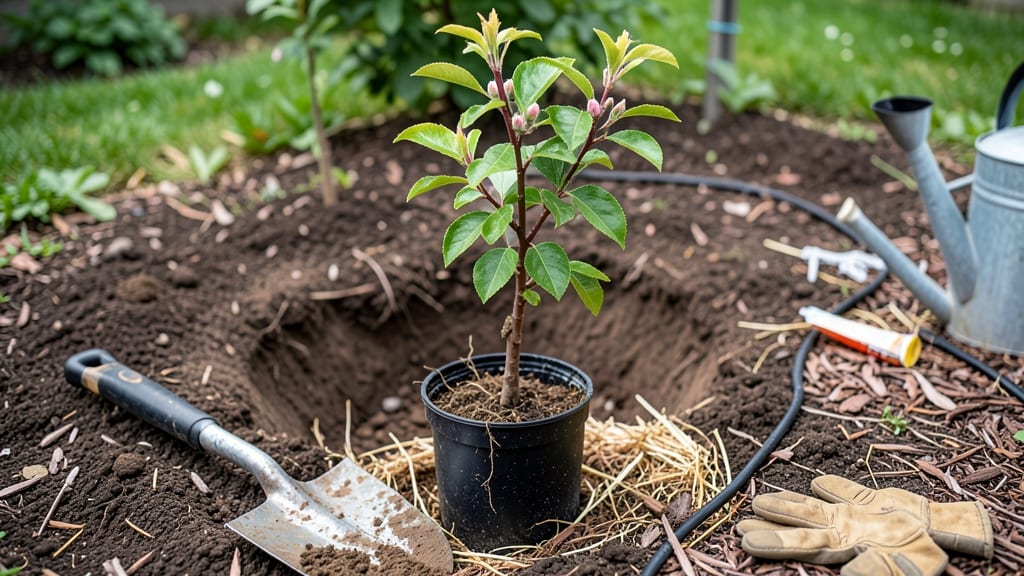
A few peach tree planting tips can mean the difference between a struggling sapling and a fruit-bearing powerhouse in your yard—but I’ve seen too many gardeners skip the basics and pay for it later. 🌳 The difference between a thriving tree and one that struggles starts with soil, sunlight, and timing, not just digging a hole.
My first peach tree nearly died because I ignored these basics, and I’ll save you that heartache.
You’ll need full sun (6+ hours daily), well-draining soil, and a location sheltered from harsh winds—peach trees hate soggy roots or exposed branches. Dig a hole twice as wide as the root ball but no deeper, then loosen the surrounding soil to encourage root spread.
The best time to plant depends on your zone: late fall or early spring gives roots time to establish before extreme heat or cold.
After planting, water deeply to settle the soil, then mulch around the base (keep it 3 inches away from the trunk) to retain moisture and block weeds. In the first year, focus on consistent watering—not too much, not too little—and avoid heavy pruning.
You’ll see new growth within weeks, and by year two, your tree could produce its first (small) peaches if all goes right.
Common mistakes? Overwatering, planting too deep, or ignoring pest prevention. Peach trees need regular checks for borers and aphids, especially in hot climates. With the right start, though, you’ll have a tree that bears fruit for decades—and trust me, that first harvest is worth every minute of prep.
📚 In This Guide
- What you need
- Instructions
- Tips and common mistakes
- Wrapping up and next steps
What you need
- ● Peach Tree Sapling: Choose a dwarf, semi-dwarf, or standard variety (1-3 years old) from a reputable nursery. Quantity: 1 per planting site.
- ● Shovel or Trench Digger: For digging holes (12–18 inches wide and deep).
- ● Garden Gloves: Heavy-duty, chemical-resistant (to protect your hands!).
- ● Well-Draining Soil Mix: Combine 60% native soil, 30% compost, and 10% perlite/sand for optimal drainage.
- ● Organic Mulch: 2–4 inches of wood chips, straw, or pine needles (keeps roots cool and moist).
- ● Balanced Fertilizer: 10-10-10 or 5-10-10 NPK ratio (use sparingly—peach trees are sensitive to excess nitrogen!).
- ● Tree Stake & Ties: 1–2 stakes per tree (if needed for support in windy areas).
- ● Watering Can or Hose with Soaker Nozzle: For gentle, deep watering.
- ● Root Stimulator: A powder or gel to encourage root growth (mix into planting hole).
- ● Tree Guard or Protective Cage: To deter animals (especially deer or rabbits!).
- ● pH Test Kit: Ensure soil pH is 6.0–7.0 (peaches prefer slightly acidic to neutral soil).
- ● Pruning Shears: For trimming any damaged branches before planting.
- ● Drip Irrigation System: For automated, efficient watering (great for long-term care!).
Step-by-Step peach tree planting guide for long-term health
Here's how I plant peach trees to ensure strong root systems and fruit-bearing success.
🌱 Step 1: Choose the Right Location and Timing
Peach trees thrive in full sun with at least 6-8 hours of direct light daily, so select a south-facing spot in your yard. The ideal soil pH is 6.0-7.0, and well-draining soil prevents root rot. I always plant in early spring (just as buds begin to swell) or late fall (6-8 weeks before first frost) to give roots time to establish before extreme temperatures.
Dig a hole twice as wide as the root ball but only as deep—the top of the root ball should sit 1-2 inches above ground level to prevent water pooling. This slight elevation helps with drainage while keeping the tree stable. If your soil is heavy clay, amend the backfill with compost or aged manure to improve texture.
☀️ Step 2: Prepare the Tree and Plant with Care
Before planting, inspect the root ball for any circling or damaged roots—snip them with clean pruners to encourage outward growth. Soak the roots in lukewarm water for 10-15 minutes to hydrate them before planting. This step is critical, especially if the tree arrived dry from a nursery.
Place the tree in the center of the hole and backfill with the native soil you removed, tamping down gently to eliminate air pockets. Avoid compacting too firmly—you want roots to spread easily. Water deeply (5 gallons) immediately after planting to settle the soil and eliminate air gaps. The soil should feel moist but not soggy an inch below the surface.
💧 Step 3: Mulch and Water for Establishment
Spread 3-4 inches of organic mulch (like wood chips or straw) in a 3-foot diameter ring around the tree, keeping it 6 inches away from the trunk to prevent rot. Mulch retains moisture and regulates soil temperature, which is especially helpful during summer heat. I always avoid inorganic mulches like rocks, as they don’t improve soil health.
Water twice weekly for the first month, then taper to once weekly once the tree shows new growth. Deep watering (10-15 gallons per session) encourages roots to grow downward rather than staying shallow. You’ll know the watering is right when the top 6 inches of soil stay consistently moist—stick your finger in to check.
✂️ Step 4: Prune and Protect for First-Year Growth
In late winter (just before buds swell), prune any dead, crossing, or diseased branches to open the canopy for sunlight. Remove suckers (shoots growing from the base) immediately—they drain energy from the main tree. I also trim back any water sprouts (vertical shoots) to redirect growth into fruit production.
Install a tree guard or wire cage around the trunk to protect against rabbits and deer, which love young peach trees. If your area has heavy winds, stake the tree only if necessary—over-staking can restrict root spread. The goal is to let the tree grow strong on its own while giving it just enough support.
🌿 Step 5: Monitor and Adjust for Long-Term Success
Fertilize in early spring with a balanced 10-10-10 formula, working it into the soil 12 inches away from the trunk. Avoid high-nitrogen fertilizers—they promote leafy growth at the expense of fruit. Instead, focus on potassium and phosphorus to encourage flowering and fruiting.
Watch for signs of stress: yellowing leaves often mean overwatering, while brown edges signal underwatering. Peach trees are drought-tolerant once established, but young trees need consistent moisture. If you notice fruit drop in summer, it’s usually due to uneven watering—keep the soil evenly moist during dry spells.
Tips & tricks for perfect peach tree planting
Took me years of trial and error to perfect these essential tips for thriving peach trees—here's what actually makes the difference.
Root System Secret: When inspecting the root ball in Step 2, look for any roots growing in tight circles—they'll strangle the tree as it grows. Use clean pruners to make a shallow cut just outside the spiral, then fan the root outward. This encourages outward growth rather than girdling the trunk. I've seen trees with perfect root systems thrive while others with tight roots struggle for years.
Planting Depth Matters: That 1-2 inch elevation above ground level in Step 1 isn't just about drainage—it's about stability. The root flare (where roots meet trunk) should be visible above soil level. If buried too deep, the tree can suffocate; too high and it becomes top-heavy. Use a level to check—this small detail prevents years of stress on your tree.
Soil Moisture Test: After planting, stick your finger about an inch into the soil. It should feel like a wrung-out sponge—not bone dry, not dripping wet. In Step 3, I check this daily during the first month. Overwatering causes root rot just as surely as underwatering causes stress. The 5-gallon immediate watering isn't just about settling soil—it's about establishing that perfect moisture baseline right from day one.
Mulch Placement Pro Tip: That 6-inch gap between mulch and trunk in Step 3 isn't arbitrary—it prevents moisture buildup that causes rot. I've seen trees with mulch piled against trunks develop fungal issues within weeks. Use a rake to create that gap, then mound mulch higher at the outer edge to direct water away from the trunk. This simple adjustment can add years to your tree's life.
Pro Tips for Peach Tree Planting Tips
- Took me years of trial and error to perfect these essential tips for thriving peach trees—here's what actually makes the difference.
- Root System Secret: When inspecting the root ball in Step 2, look for any roots growing in tight circles—they'll strangle the tree as it grows.
- Planting Depth Matters: That 1-2 inch elevation above ground level in Step 1 isn't just about drainage—it's about stability.
Frequently asked questions
Got questions about planting your peach tree? You’re not alone! Here are some of the most common concerns—plus expert answers to help you grow a thriving tree with minimal stress.
What’s the best time of year to plant a peach tree?
Plant your peach tree in early spring (March–April) or late fall (October–November), when the soil is workable but not frozen. Avoid extreme heat or cold—root establishment is key! If you’re in a mild climate, early spring is ideal to give roots time to settle before summer.
How do I know if my peach tree needs full sun?
Peach trees love sun—aim for 6–8 hours of direct sunlight daily. If your yard gets partial shade, choose a dwarf variety (like ‘Bonanza’) or plant near a south-facing wall. Watch for small fruit or poor ripening as red flags for insufficient light.
Can I plant a peach tree in a container?
Yes, but only dwarf varieties (like ‘Redhaven’ or ‘Elberta’) thrive in containers. Use a 5-gallon pot minimum, well-draining soil, and repot every 2–3 years. Containers dry out faster—water deeply 2–3x weekly in summer. Avoid this for standard trees—they’ll outgrow their home!
Why are my peach tree leaves curling or yellowing after planting?
Curling/yellowing often signals stress from transplant shock, pests (like aphids), or fungal issues. Check the undersides of leaves for pests. If no bugs, ensure proper watering (1–1.5 inches/week) and mulch to retain moisture. A balanced fertilizer (like 10-10-10) can also help revive growth.
Do peach trees need cross-pollination to produce fruit?
Most peach trees are self-pollinating, but fruit set improves with two compatible varieties nearby (e.g., ‘Relenta’ + ‘Contender’). If you plant just one tree, hand-pollinate with a brush during bloom (spring). Note: Nectarine trees (peach cousins) require cross-pollination—check labels!
Wrapping up and next steps
Planting a peach tree is a rewarding journey that blends patience with sweet results! 🌱 By choosing the right variety, preparing the soil, and timing your efforts correctly, you’re setting the stage for a thriving orchard.
Remember: consistent care—like pruning, watering, and pest management—keeps your tree healthy and productive for years.
Now that you’re armed with these pro tips, it’s time to roll up your sleeves! Start by marking your planting spot, gathering your tools, and scheduling your first pruning session (yes, even before the tree is fully established!).
With a little love and attention, you’ll soon be savoring the juicy rewards of your hard work. Happy planting! 🍑✨