
How To
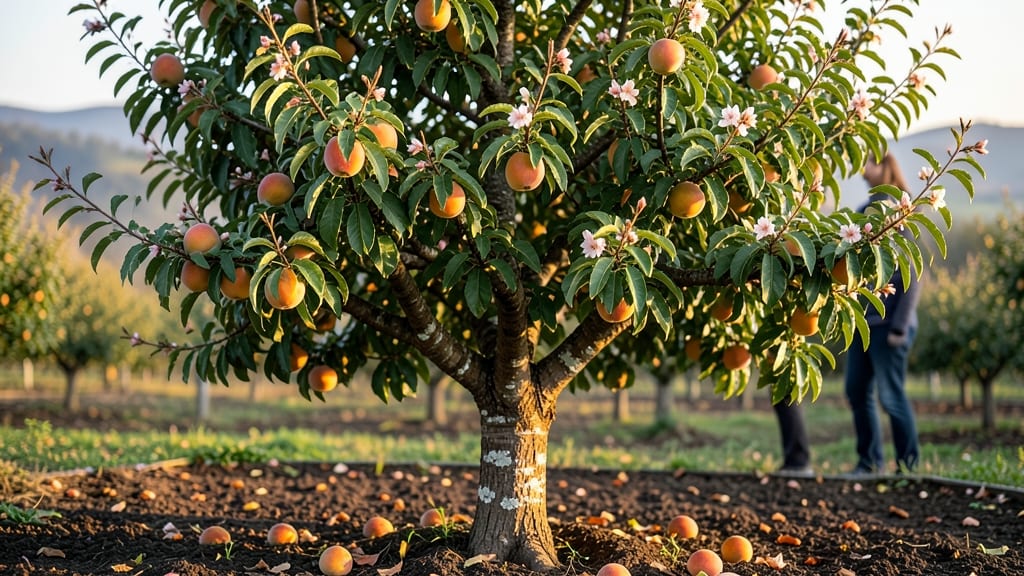
A peach tree can grow how tall can a peach tree grow anywhere from 8 to 25 feet, depending on its variety and how you care for it. That’s the good news—but the bad news? A full-size 🍑 tree can easily dwarf your backyard if you don’t plan ahead.
Dreaming of a backyard peach tree but worried it’ll outgrow your space? The height of a peach tree isn’t just about variety—it’s also shaped by pruning, sunlight, and soil.
Whether you’re working with a 15-foot standard or a 10-foot dwarf, knowing these factors will help you choose the right fit for your garden.
Standard varieties like Redhaven or Elberta can reach 20 to 25 feet, while dwarf types stay under 12 feet. But even dwarf trees need the right conditions to stay compact—and that means pruning at the right time, spacing them properly, and avoiding overcrowding.
In this guide, I’ll break down how to control your peach tree’s height, whether you’re planting in the ground or a container. You’ll also learn how rootstock affects growth and when to prune for the best results.

Peach tree height by variety: dwarf vs semi-dwarf vs standard sizes
If you’ve ever wondered, "how tall can a peach tree grow?" the answer depends entirely on the variety and rootstock you choose. Standard peach trees can soar to 20–25 feet, while dwarf varieties stay under 10 feet.
The right choice means the difference between a backyard orchard and a two-story tree shading your patio. Let’s break down the options so you can pick the perfect fit for your space.
Most home gardeners focus on three height categories: dwarf, semi-dwarf, and standard. The key difference? Rootstock—the underlying tree onto which the peach variety is grafted. Dwarf rootstock (like Lovell) keeps trees small, while standard rootstock (like Halford) lets them reach their full height.
Semi-dwarf rootstock (such as Nemaguard) offers a middle ground, ideal for smaller yards.
For home gardens, semi-dwarf varieties like Redhaven or Contender strike the perfect balance. They’re tall enough to produce abundant fruit but small enough to fit in most backyards.
If space is ultra-limited, dwarf varieties like Bonanza or Suncrest thrive in containers or along fences, reaching just 6–10 feet at maturity.
Commercial orchards, however, rely on standard varieties like Elberta or Halford to maximize yield. These trees need 20–25 feet of space between them, making them impractical for most homeowners.
But don’t let that stop you—even a single standard peach tree can become a stunning focal point in a large yard, with its sprawling branches and abundant harvest.
One common misconception is that pruning alone can turn a standard tree into a dwarf. While pruning does control height, it can’t permanently shrink a tree’s genetic potential.
For example, aggressively pruning a Halford-rootstock tree might keep it at 12 feet for a few years, but it’ll eventually revert to its natural 20–25 feet if not managed long-term. Rootstock is the real game-changer.
If you’re planning for urban or small-space gardening, consider columnar varieties like Bonanza, which grow in a narrow, upright form. These can fit into tight spots while still producing hundreds of peaches per season.
Just ensure they get full sun (6+ hours daily) and well-draining soil to prevent root rot—a common issue with container-grown trees.
For commercial growers, standard trees dominate because their height allows for mechanized harvesting and better air circulation, reducing disease risk. But even in large orchards, semi-dwarf trees
How pruning affects peach tree height: techniques for controlling growth
Pruning isn’t just about shaping your peach tree—it’s the secret weapon to control its height and spread. Without proper pruning, even dwarf varieties can grow taller than expected, while aggressive pruning can stunt growth or invite disease. The key is timing, technique, and knowing which branches to target.
Most standard peach trees naturally reach 15–25 feet tall, but with the right pruning methods, you can keep them at 8–12 feet for easier harvesting. The two main pruning styles—central-leader and open-center—each serve a purpose, depending on your space and goals.
Let’s break down how to use them effectively.
For central-leader (traditional shape): Keep one main trunk and prune to encourage vertical growth. Ideal for standard varieties in larger yards.
For open-center (bushier shape): Remove the central leader early to create a multi-trunk base. Perfect for dwarf or semi-dwarf trees in small spaces.
Remove dead, crossing, or inward-growing branches before buds swell. This minimizes stress and disease risk. Avoid pruning in fall or spring when sap flows heavily.
To keep your tree under 10 feet, focus on removing the uppermost branches each year. Use sharp pruners to make clean cuts just above a bud or lateral branch.
Never remove more than 25% of the canopy in one year. Over-pruning stresses the tree, reducing fruit production and inviting bacterial canker or peach leaf curl.
Timing is everything—prune too late, and you risk disease entry points or reduced flowering the next season. Always sterilize your tools with rubbing alcohol between cuts to prevent spreading pathogens. For container-grown peach trees, prune slightly more aggressively to encourage bushier growth in limited space.
Common mistakes like pruning at the wrong time or using dull tools can turn your height-control efforts into a disaster. Pay attention to the tree’s natural shape and adjust your pruning plan yearly.
With patience, your peach tree will stay at your desired height while still producing abundant, juicy fruit.
Ready to take control? Start with a late-winter pruning session and watch your peach tree grow exactly how you want it—no surprises! 🌱✂️🍑