
How To
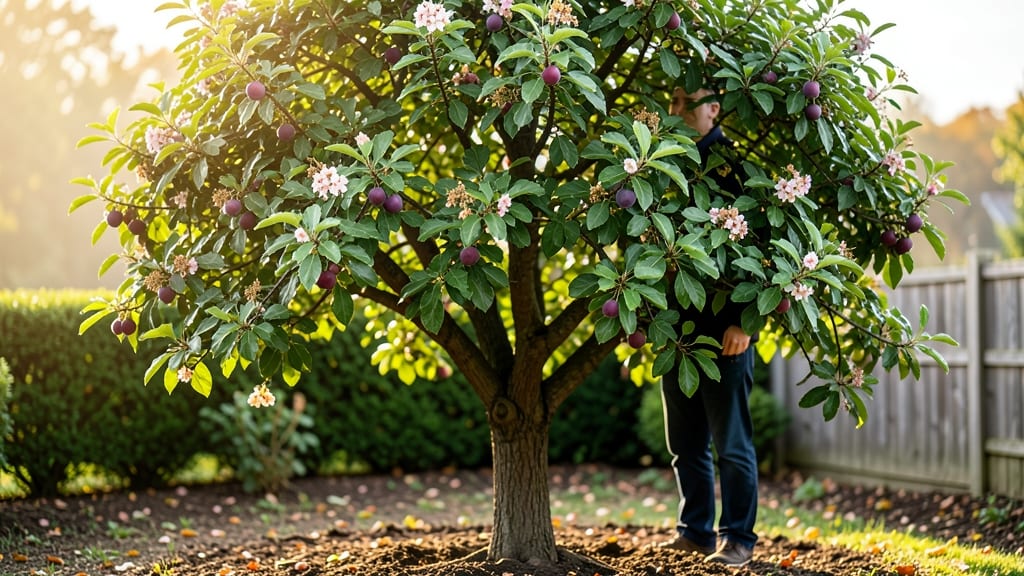
Wondering how tall does a plum tree grow? The mature height can range from 8 feet for dwarf varieties to towering 30 feet for standard types—meaning your backyard space could either gain a cozy shade tree or a small forest.
If you're dreaming of a lush plum tree 🌳 but unsure whether it’ll tower over your house or stay compact enough for a small garden, understanding its mature height is key to planning your space—and your harvest.
Dwarf varieties like 'Santa Rosa' max out at 12 feet, making them perfect for urban yards or container growing, while standard types like 'Stanley' can reach 25 feet or more, needing ample room to spread their branches.
Below, I’ll break down the height differences by variety, how growing zones influence growth, and simple pruning tips to keep your plum tree at your ideal height—without sacrificing fruit production.

Plum tree height by variety: dwarf to standard sizes explained
Choosing the right plum tree variety depends heavily on your space and vision. Some varieties grow as small as 8 feet, perfect for urban yards, while others can reach 30 feet, dominating large landscapes.
The key is matching the tree's mature height to your garden's layout and your long-term care plan.
Plum trees generally fall into three size categories: dwarf, semi-dwarf, and standard. Each requires different spacing and maintenance. Dwarf varieties are ideal for containers or small backyards, while standard trees need ample room to thrive. Let's explore the most popular options and their space needs.
Below is a quick reference guide to help you visualize how each variety will fit into your garden. Whether you're planning a fruit orchard or a container garden, knowing these dimensions will save you from future pruning headaches.
| Variety | Mature Height | Spacing Needs | Growth Habit | Best For |
|---|---|---|---|---|
| Santa Rosa | 8–12 ft | 10–12 ft apart | Upright, compact | Small gardens, containers |
| Methley | 12–15 ft | 12–15 ft apart | Semi-spreading | Backyard orchards |
| Stanley | 15–20 ft | 18–20 ft apart | Vigorous, upright | Large properties |
| Black Diamond | 20–30 ft | 25–30 ft apart | Tall, spreading | Rural landscapes |
| Montmorency | 12–18 ft | 15–18 ft apart | Cold-hardy, upright | Northern climates |
If you're working with limited space, Santa Rosa is my top recommendation. This dwarf variety stays under 12 feet and produces abundant fruit. Its compact size makes it perfect for container growing or small urban gardens, provided you use a large pot with drainage.
For mid-sized yards, Methley and Montmorency are excellent choices. Both reach 12–18 feet and offer a balance between manageable height and generous fruit production. These varieties also handle cold climates well, making them versatile for many regions.
Standard varieties like Stanley and Black Diamond are better suited for rural settings or large estates. Their mature heights of 20–30 feet require significant space, but they reward you with heavy fruit loads and stunning seasonal interest.
If you plant one, ensure it's placed 25 feet away from structures or other trees to avoid shading issues.
When planning your plum tree's location, consider not just its height but also its canopy spread. Some varieties, like Black Diamond, develop wide-spreading branches that need extra room. Always check the cultivar's description for spread measurements—often listed alongside height—to avoid crowding.
Pruning plays a crucial role in managing plum tree height, especially for standard varieties. I recommend annual pruning in late winter to remove dead or crossing branches and shape the tree.
For dwarf varieties, light pruning encourages bushier growth, while standard trees benefit from structural pruning to maintain an open center.
One common mistake I see is planting plum trees too close together. This leads to competing roots, reduced fruit quality, and increased disease risk. Always follow the spacing guidelines for your chosen variety to ensure healthy growth and a bountiful harvest.
Ready to plant? Measure your space twice before buying a tree. A 15-foot variety planted too close to a fence or house will quickly outgrow its welcome—and become a pruning nightmare.
With the right variety and placement, your plum tree will thrive for decades, providing shade, beauty, and delicious fruit every season.
How growing zones affect plum tree height and growth habits
Your USDA hardiness zone plays a crucial role in determining how tall your plum tree will grow. In colder zones like 3–5, cold-hardy varieties such as 'Montmorency' stay compact, reaching 12–18 feet, while heat-tolerant types like 'Black Diamond' in zones 7–9 can soar to 20–30 feet.
The climate directly influences growth rates and mature height, so choosing the right variety for your zone is essential for success.
In cooler climates, plum trees grow more slowly due to shorter growing seasons, often reaching their mature height in 8–10 years. Meanwhile, in warmer zones, trees experience faster growth but may require more frequent pruning to manage height.
Understanding these patterns helps you plan for spacing and long-term care, ensuring your tree thrives without overwhelming your garden.
| USDA Zone | Cold-Hardy Variety | Heat-Tolerant Variety | Mature Height (ft) | Growth Rate | Pruning Needs |
|---|---|---|---|---|---|
| 3–5 | 'Montmorency' | N/A | 12–18 ft | Slow | Minimal |
| 6–7 | 'Stanley' | 'Black Diamond' | 15–20 ft | Moderate | Moderate |
| 8–9 | 'Santa Rosa' | 'Black Diamond' | 20–30 ft | Fast | Frequent |
In zones 3–5, 'Montmorency' plums are ideal because they handle freezing temperatures and grow slowly, making them perfect for smaller yards. These trees typically reach 12–18 feet and require minimal pruning, allowing you to enjoy their fruit without excessive upkeep.
Their compact size also makes them easier to manage in urban gardens.
For zones 6–7, varieties like 'Stanley' and 'Black Diamond' strike a balance, growing to 15–20 feet with a moderate growth rate. These trees benefit from occasional pruning to shape their growth and prevent overcrowding.
In these zones, you’ll see faster growth in spring and summer, so plan for regular maintenance to keep the tree healthy and productive.
In warmer zones 8–9, plum trees like 'Black Diamond' thrive but can grow aggressively, reaching 20–30 feet if left unchecked. These varieties require frequent pruning to control height and encourage fruit production.
Since they grow faster, you’ll need to monitor their growth closely and prune in late winter or early spring to maintain their size and shape.
No matter your zone, always choose a plum tree variety suited to your climate. Cold-hardy types like 'Montmorency' are perfect for northern gardens, while heat-tolerant varieties like 'Black Diamond' excel in southern regions. Adjust your pruning schedule based on growth rates—faster-growing trees need more attention to stay manageable and productive.
With the right variety and care, your plum tree will thrive and provide delicious fruit for years to come, no matter where you live. Happy gardening! 🌳