
Container Gardens
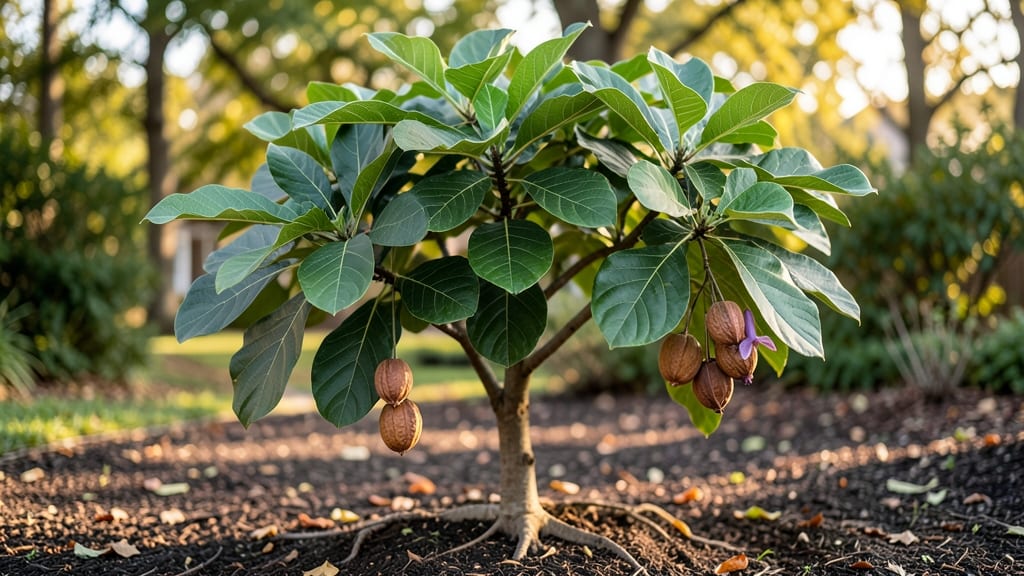
The pawpaw tree growing conditions you need to know start with moist, well-drained soil and partial shade—this native North American fruit tree thrives where humidity lingers and roots stay cool.
If you’ve ever dreamed of growing your own pawpaw trees but struggled with their finicky growing conditions, you’re not alone—these tropical-temperate fruits demand just the right balance of humidity, soil, and sunlight.
In USDA Zones 5-9, most growers succeed by mimicking the pawpaw’s natural habitat: rich, slightly acidic soil and dappled sunlight that mimics the forest understory. Too much sun scorches the leaves, while too little shade stunts fruit production.
Below, I’ll break down the exact soil mix, watering schedule, and microclimate tweaks that turn a finicky pawpaw into a reliable producer of custard-like fruit—no guesswork required.
Optimal pawpaw tree climate and humidity requirements for thriving growth
Pawpaw trees (Asimina triloba) thrive in temperate climates that mimic their native eastern North American forests. These tropical-temperate trees demand high humidity (60-80%) and moderate temperatures to produce their prized custard-like fruit.
Without the right balance, you’ll battle issues like blossom-end rot or fungal diseases, which can devastate your harvest before it begins.
Native to USDA hardiness zones 5-9, pawpaws perform best in zones 6-8, where they experience hot summers and cool winters without extreme cold snaps. In zone 5, young trees need winter protection, while zone 9 growers must shield them from late-spring frosts that can damage delicate flowers.
| Factor | Ideal Range | Regional Adaptations |
|---|---|---|
| Temperature (Growing Season) | 65°F–85°F (18°C–29°C) | Zone 5: Needs winter mulch; Zone 9: Requires afternoon shade |
| Winter Hardiness | -15°F to -20°F (-26°C to -29°C) | Zone 5: Protect young trees; Zone 8-9: Frost cloth for flowers |
| Humidity | 60–80% | Pacific NW: Natural high humidity; Southeast: Use misting systems |
| Rainfall | 40–60 inches/year (100–150 cm) | Drought-prone areas: Drip irrigation + mulch |
| Wind Exposure | Sheltered (10–15 mph max) | Open areas: Plant windbreaks (e.g., conifers) |
In the Pacific Northwest, pawpaws flourish thanks to cool summers and high humidity, but they struggle in arid regions like Arizona or Nevada without extra care. I’ve seen success in zone 7b gardens by planting near ponds or using drip irrigation to maintain moisture.
For Southeast growers, afternoon shade cloth prevents heat stress, while Northern climates benefit from southern exposures to maximize sunlight.
Humidity is critical—pawpaws hate dry air, which causes blossom-end rot and leaf curl. Aim for 60-80% humidity by mulching heavily (3–4 inches of wood chips) and avoiding overhead watering. In dry climates, a simple misting system or shade cloth can work wonders.
I once revived a struggling pawpaw in zone 6 by adding a humidity tray near the tree during summer.
Microclimates play a huge role. For example, valleys often trap humidity better than hilltops, and eastern exposures provide gentler morning sun. If you’re in a hot, dry zone, consider planting near evergreen windbreaks (like arborvitae) to create a cooler, moister microclimate.
Even a small pond or rain garden nearby can boost humidity enough to prevent fungal issues.
Watch for late-spring frosts in zones 8–9, which can kill flowers before they open. I’ve used row covers or frost cloth for the first few weeks of bloom to protect delicate pawpaw blossoms. In zone 5, young trees need winter mulch (6–8 inches) to insulate roots from freezing temperatures.
A thick layer of straw or leaves works best—just remove it in early spring to avoid rot.
Container growing is possible but challenging due to humidity needs. If you’re in a dry climate, use a self-watering pot with sphagnum moss around the base to retain moisture. Pawpaws in containers also benefit from regular misting and shade cloth during peak summer heat.
Just remember—these trees hate root stress, so upgrade pots every 2–3 years as they grow.
One common mistake? Assuming pawpaws are low-maintenance tropical plants. They’re not—they’re finicky temperate natives. Without proper humidity and temperature control, you’ll see yellowing leaves, dropped fruit, or poor flowering.
But get these conditions right, and you’ll reward yourself with sweet, custard-like fruit that’s worth every effort. 🌳
Soil composition and sunlight needs for maximum pawpaw fruit production
Pawpaw trees (Asimina triloba) thrive when their soil composition mimics their native understory habitat—rich, moist, and slightly acidic. Aim for a pH between 6.0 and 6.5, as this range prevents nutrient deficiencies while supporting robust root development.
Organic matter should make up 30-50% of your soil, ensuring water retention without suffocating roots. Think leaf mold, compost, or well-rotted manure mixed into the top 12 inches of soil.
For drainage solutions, pawpaws despise soggy roots but love moisture. Amend heavy clay soils with sand or perlite to create a loamy texture, while sandy soils benefit from peat moss or coconut coir.
Raised beds work wonders for urban gardeners, giving you full control over drainage and soil structure. Just ensure the bed has drainage holes to prevent waterlogging during rainy seasons.
Pawpaw Soil & Sunlight: Pros and Cons
- Rich organic matter boosts fruit sweetness
- Slightly acidic pH (6.0-6.5) prevents disease
- Well-draining soil prevents root rot
- Clay soils suffocate roots without amendments
- Poor drainage leads to fungal infections
- Low organic matter reduces yield potential
- 6+ hours sun maximizes fruit production
- Partial shade prevents heat stress in hot zones
- Morning sun + afternoon shade ideal for fruit ripening
- Full sun in hot climates causes leaf scorch
- Too little light = poor flowering/fruiting
- Afternoon sun burns tender young leaves
When it comes to sunlight requirements, pawpaws strike a delicate balance. They need 6+ hours of direct sunlight daily for optimal fruit production, but in hot climates like USDA Zone 9, afternoon shade becomes critical.
Plant your tree where it gets morning sun and afternoon shade—this mimics their native understory conditions and prevents heat stress. In cooler zones (6-8), full sun is ideal, but avoid harsh afternoon rays that can scorch leaves.
For companion planting to boost yields, pair pawpaws with nitrogen-fixing shrubs like elderberry or serviceberry. These companions improve soil fertility naturally while providing windbreaks. Avoid planting near walnut trees, as their allelopathic roots inhibit pawpaw growth.
Instead, use comfrey or clover as living mulches—they suppress weeds, retain moisture, and enrich the soil over time.
In hot climates, mulching with wood chips (3-4 inches deep) is a game-changer. It keeps roots cool, retains moisture, and slowly decomposes to feed your tree. Just keep mulch 6 inches away from the trunk to prevent rot.
For container growing, use a 50/50 mix of potting soil and compost in a 15-gallon minimum pot, ensuring drainage holes are present to mimic optimal field conditions.
Remember, pawpaws are slow to mature—it takes 3-5 years for a tree to bear fruit. But with the right soil pH, organic matter, and sunlight balance, you’ll set the stage for decades of harvests.
Start with well-amended soil, monitor moisture levels, and adjust sunlight exposure based on your climate. Your patience will pay off with creamy, custard-like pawpaws that taste like a tropical vacation. 🌳🍌