
Container Gardens
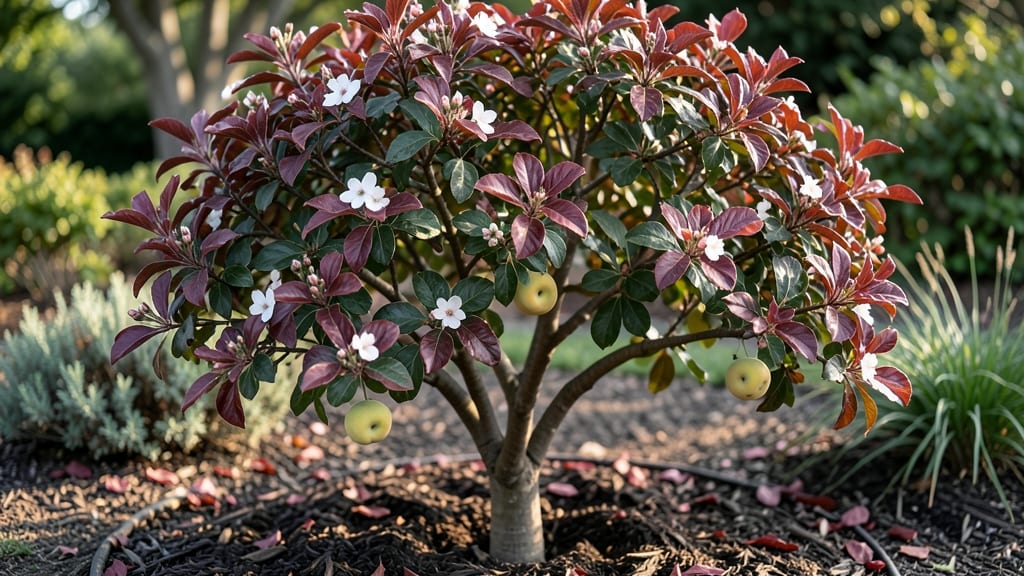
Donut peach trees grow best in USDA hardiness zones 5 through 9, where they handle winter temperatures between -20°F and 30°F (-29°C to 1°C). In colder microclimates, these trees need extra protection to survive. Varieties like 'Reliance' and 'Redhaven' are excellent choices for extending your growing season.
Donut peach trees thrive in moderate climates where winter chill is present but not extreme.
The USDA zone 5-9 range reflects their need for cold dormancy to produce fruit, but zone 5 gardeners should plant near south-facing walls or use windbreaks. 🌳 Rootstock selection matters too—some hybrids like 'Reliance' developed from dwarfing rootstocks tolerate slightly colder spells than standard varieties.
For zones 4 or below, consider container growing with winter protection or choose early-blooming varieties that avoid late frosts.
What sets donut peach trees apart is their ability to produce fruit even in shorter growing seasons compared to traditional peaches. Their compact growth habit also means they establish faster in container gardens, making them ideal for urban spaces.
Just remember: late spring frosts remain their biggest threat—always monitor bloom times and have frost cloth ready.
💡 In This Article
- How Cold Tolerance Varies by Donut Peach Tree Variety
- Best Planting Strategies for Donut Peach Trees in Marginal Zones
How cold tolerance varies by donut peach tree variety
The cold hardiness of donut peach trees depends on their genetic makeup and rootstock. Most varieties are grafted onto rootstocks like 'Lovell' or 'Halford', which provide disease resistance but also influence winter survival.
For example, 'Reliance' peaches—often used for donut production—can withstand temperatures down to -20°F (-29°C) thanks to their hybrid vigor, while standard 'Elberta' peaches typically max out at -15°F (-26°C).
This 5°F difference might seem small, but in marginal zones like zone 5, it can mean the difference between a thriving tree and winter dieback.
The science behind this tolerance lies in the tree's ability to supercool its cell fluids during dormancy.
When temperatures drop, sugars and proteins in the cells act like antifreeze, preventing ice crystal formation that would rupture cell walls. 🌡️ Donut peach hybrids often have higher concentrations of these protective compounds due to selective breeding for compact growth and early fruiting.
Varieties like 'Redhaven' (a classic donut peach) also develop thicker bark faster than standard peaches, providing an extra layer of insulation against extreme cold.
What most gardeners don't realize is that late winter cold snaps (after buds swell) are more damaging than deep freezes. This is why donut peach trees in zone 9 sometimes struggle—they may survive 30°F (1°C) lows but get damaged by sudden 25°F (-4°C) dips in March.
The key is choosing varieties with staggered bloom times, like 'Crimson Snow' or 'Sanguinelle', which spread out fruit production and reduce frost risk. These hybrids also tend to have faster bark maturation, meaning they're better prepared for winter's second wave of cold.
Another critical factor is the tree's chill hour requirement. Most donut peach varieties need between 400-800 hours below 45°F (7°C) to set fruit properly.
In zone 5, this is usually met, but in zone 9, supplemental chill hours (like using a fan to circulate cold air) may be needed.
Some modern hybrids, like 'Contender', have been bred to require fewer chill hours (300-400), making them better suited for southern zone 9 gardens where winters are milder but inconsistent.
For container growers in zone 4 or below, dwarf varieties like 'Bonanza' become essential. These trees stay under 8 feet tall and can be moved to protected locations during winter. Their smaller size also means they warm up faster in spring, reducing frost damage to blossoms.
The trade-off? They may produce slightly smaller fruit, but the convenience of container growing often outweighs this for urban gardeners.
One surprising advantage of donut peach hybrids is their root system resilience. Many are grafted onto semi-dwarfing rootstocks that develop deeper, more extensive roots than standard peaches. This helps them access moisture and nutrients during dry spells while also providing better anchorage against winter winds.
In zone 5, this can mean the difference between a tree that survives a -15°F (-26°C) night with wind chill and one that gets uprooted.