
Pruning
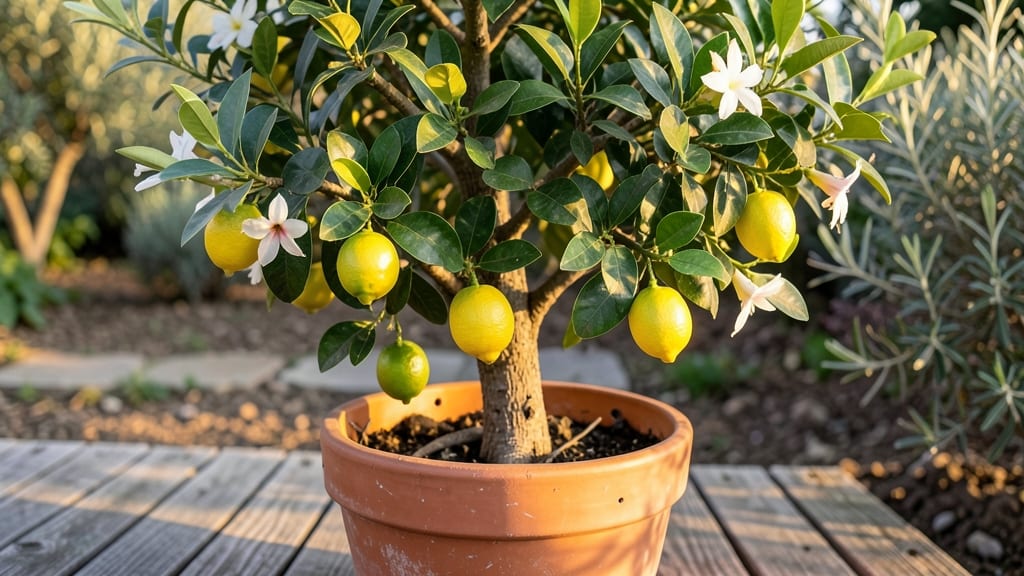
Your patio lemon tree care thrives when you prune it like a pro—it’s the secret to year-round fruit and lush foliage. 🌿 I’ve watched my Meyer lemon tree go from bare branches to heavy with fruit by following a simple pruning schedule that keeps it compact, healthy, and productive.
The key isn’t just cutting back; it’s timing, technique, and understanding how citrus responds to stress. Most people over-prune or wait too long, but the right approach turns your patio tree into a fruit-bearing machine without sacrificing its beautiful shape.
You’ll focus on shaping in late winter, removing dead wood in early spring, and giving it just enough of a haircut to encourage new growth—without shocking the plant. Within a season, you’ll notice thicker branches, more leaves, and a stronger root system that holds up to container life.
By summer, you’ll be harvesting bright, fragrant lemons while keeping the tree small enough for your patio. The pruning science isn’t complicated: it’s about balance. Too much cuts off next year’s fruit; too little leaves the tree leggy and weak.
I’ll show you how to strike that perfect middle ground so your tree stays happy, healthy, and heavy with fruit all year. This works for dwarf varieties like Meyer lemons, Eureka, or even full-sized trees in large containers.
The same principles apply whether you’re in a sunny California backyard or a balcony in Florida—just adjust for your microclimate. Let’s get your tree looking like a pro’s and tasting like sunshine.
📚 In This Guide
- What you need
- Instructions
- Tips and common mistakes
- Wrapping up and next steps
What you need
- ● Lemon tree (Meyer or Eureka varieties recommended) – Choose a dwarf or semi-dwarf variety (3–6 ft tall) for patio spaces.
- ● Large container or planter – Minimum 18–24 inches in diameter with drainage holes (terracotta or fabric pots work best).
- ● High-quality potting mix – Use a well-draining citrus blend (e.g., 60% potting soil, 30% perlite, 10% compost). Avoid garden soil!
- ● Slow-release citrus fertilizer – Look for a balanced NPK (e.g., 6-6-6 or 8-3-9) with micronutrients like iron and zinc.
- ● Organic mulch – 3–4 inches of wood chips or straw to retain moisture and regulate soil temp.
- ● Drip irrigation system or watering can – 1–2 gallons per watering (adjust for climate).
- ● Bypass pruners – Sharp, sterilized pruners (e.g., Felco or Fiskars) for clean cuts.
- ● Hand saw or loppers – For thicker branches (½ inch or larger).
- ● Gloves – Garden gloves (nitrile-coated for durability) to protect from thorns and sap.
- ○ Pruning sealant (optional) – Citrus-safe sealant (e.g., Tanglefoot Tree Wound Pruning Sealer) to prevent disease on large cuts.
- ○ Spray bottle with neem oil (optional) – For pest control (e.g., aphids, spider mites).
- ● Sunlight access – 6+ hours of direct sun daily (south-facing patio ideal).
- ● Temperature control – Protect from frost ( with a frost cloth or move indoors temporarily.
- ● Drainage solution – Elevate pots on feet or saucers to prevent root rot.
- ● Patience for establishment – First year focuses on root growth; avoid heavy pruning.
Instructions: year-round patio lemon tree care through pruning
Here's the pruning system I swear by to keep patio lemons productive and healthy through every season.
✂️ Step 1: Prune for Airflow in Early Spring
As soon as your tree breaks dormancy—when you see new buds swelling—start pruning. Remove any dead, crossing, or inward-growing branches first using clean, sharp pruners. I cut at a 45-degree angle just above an outward-facing bud to encourage healthy growth. This prevents fungal diseases by improving airflow through the canopy.
Thin out branches that rub against each other, as these create wounds that attract pests. Aim to open the center of the tree so sunlight reaches all leaves. You'll know you've done enough when you can see light through the canopy from all directions.
☀️ Step 2: Summer Maintenance for Fruit Production
During summer, focus on shaping the tree after harvest. Cut back any branches that grew too long or leggy during the fruiting season. I make my cuts just above a leaf node where new growth can emerge. This keeps the tree compact and encourages more fruit production next season.
Remove any suckers—those vigorous shoots growing from the base or trunk—and any branches growing toward the center. These compete with your fruit-bearing branches for energy. Water deeply after pruning to help the tree recover, especially if you've made larger cuts.
🍋 Step 3: Light Pruning for Winter Dormancy
In late fall, when temperatures drop below 50°F at night, do a final light pruning. Remove any dead or diseased branches completely. Cut back any branches that grew too vigorously during summer by about 1/3 of their length. This prevents the tree from putting too much energy into new growth when it should be resting.
Shape the tree to maintain its natural form but keep it slightly more open than usual to allow winter sunlight to reach the center. This helps prevent branch dieback during cold snaps. Avoid heavy pruning in winter—your tree needs all its energy to survive the cold.
🪴 Step 4: Year-Round Care Beyond Pruning
After each pruning session, apply a balanced 10-10-10 fertilizer around the root zone to replenish nutrients lost during growth. Water deeply once a week during dry spells, ensuring the top 6 inches of soil stay moist but not soggy. Lemon trees in containers dry out faster, so check soil moisture daily in summer.
Watch for signs of stress like yellowing leaves or leaf drop. These often mean your tree needs more light, water, or nutrients. Move your patio tree to a sunnier spot if growth slows or leaves pale. With consistent care, your lemon tree will reward you with fruit year after year.
Tips & tricks for perfect patio lemon tree care
Mastering your patio lemon tree's pruning routine makes all the difference between a struggling shrub and a fruit-bearing powerhouse.
Timing is Everything: The early spring pruning in Step 1 should happen exactly when you see those first swollen buds - this is your tree's natural signal to wake up. I've learned the hard way that pruning too early (before buds swell) stresses the tree, while waiting too long risks losing those tender new shoots. Mark your calendar for when nighttime temperatures consistently stay above 50°F - that's your cue to start.
The 45-Degree Angle Secret: When making cuts in Step 1, that 45-degree angle above an outward-facing bud isn't just arbitrary - it's how you train your tree to grow in the direction you want. I always visualize drawing an imaginary line from the cut to where I want new growth to emerge. This simple technique creates a more open canopy that lets sunlight reach all parts of the tree, which is crucial for fruit production.
Winter Pruning Precision: That "one-third reduction" in Step 3 might seem arbitrary, but it's actually a perfect balance. Cutting back too much (more than one-third) stresses the tree when it's already conserving energy for winter. I like to think of it as giving my tree a light haircut rather than a buzz cut - just enough to shape without shocking the system. And remember, those winter cuts should be clean and precise to minimize entry points for cold air.
Fertilizer Timing: The 10-10-10 fertilizer recommendation in Step 4 is perfect, but here's what nobody tells you - apply it immediately after pruning, not before. When you remove branches, you're essentially cutting off nutrient sources, and the fertilizer helps replenish those lost nutrients right when the tree needs them most. I've seen trees recover much faster when I follow this timing, especially after heavy pruning sessions.
Pro Tips for Patio Lemon Tree Care
- Mastering your patio lemon tree's pruning routine makes all the difference between a struggling shrub and a fruit-bearing powerhouse.
- Timing is Everything: The early spring pruning in Step 1 should happen exactly when you see those first swollen buds - this is your tree's natural signal to wake up.
- The 45-Degree Angle Secret: When making cuts in Step 1, that 45-degree angle above an outward-facing bud isn't just arbitrary - it's how you train your tree to grow in the direction you want.
Frequently asked questions
Got questions about keeping your patio lemon tree happy and productive? Here are answers to the most common concerns—from pruning to pests and everything in between!
How often should I prune my patio lemon tree?
Prune your lemon tree 2-3 times a year: once in late winter (before new growth), after heavy fruiting, and lightly after harvest. Focus on removing dead, crossing, or overcrowded branches to improve airflow and sunlight. Pro tip: Avoid heavy pruning during flowering or fruiting—this stresses the tree!
When is the best time to harvest lemons from a patio tree?
Harvest lemons when they’re fully colored but still slightly firm (usually 6-12 months after flowering). For patio trees, this often falls in fall or winter. Leave a few extra to ripen on the tree—they’ll be sweeter! Warning: Overripe lemons may drop or attract pests.
How do I protect my patio lemon tree in winter?
Patio lemon trees (especially dwarf varieties) need moderate winter care. Move potted trees to a sheltered spot, wrap the trunk in burlap, and reduce watering. Avoid freezing temps (<32°F/0°C)—use a frost cloth or grow light if needed. Bonus: Mulch the soil to retain warmth!
What should I do if my lemon tree leaves turn yellow or drop?
Yellow leaves often signal overwatering, underwatering, or nutrient deficiency. Check soil moisture (top 1-2 inches should dry out between waterings) and adjust fertilizer (use citrus-specific feed in spring/summer). Pests like aphids or mites can also cause stress—spray with neem oil if you spot them.
Can I grow a lemon tree in a container forever, or will it outgrow my patio?
Dwarf varieties (like ‘Meyer’ lemons) stay manageable in containers, but even they may need repotting every 2-3 years for root health. If your tree outgrows your space, prune aggressively or transition to ground planting. Remember: Containers dry out faster—monitor soil closely!
How do I revive a struggling patio lemon tree?
Start with basic care checks: Ensure it gets 6+ hours of sunlight daily, well-draining soil, and consistent water (not soggy!). Trim dead branches, repot if roots are circling, and fertilize lightly. If issues persist, test for pests or fungal diseases (like root rot) and treat accordingly. Patience is key—healthy growth takes time!
Wrapping up and next steps
Caring for your patio lemon tree is a rewarding journey that blends science with a touch of green-thumbed passion! 🌿 With the right pruning techniques, you’ll ensure year-round health, abundant fruit, and a thriving tree that brightens your outdoor space.
Remember: consistency is key—regular pruning keeps your tree happy, and patience pays off with juicy lemons!
Ready to take the next step? Grab your pruners, schedule your next pruning session, and watch your patio lemon tree flourish. Your future lemonade starts with one well-placed cut! 🍋✨