
Trees
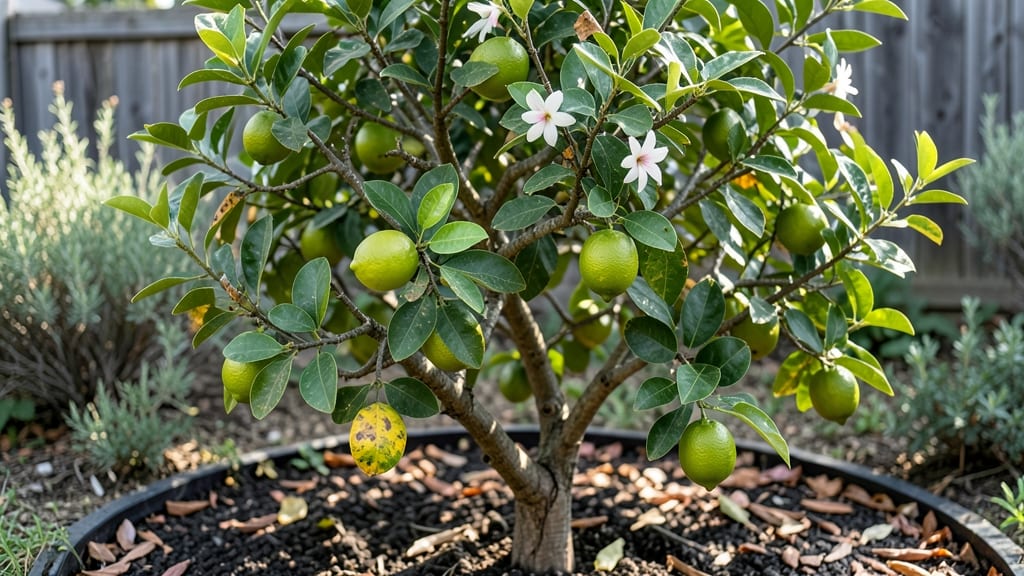
Your Meyer lemon tree dropping leaves isn’t always a death sentence—it’s often just nature’s way of preparing for spring. 🌿 I’ve nursed back three Meyer lemons from near-bare branches, and the key is figuring out whether it’s drought stress, pests, or winter dormancy.
The first step? Check the leaves: yellowing edges suggest under-watering, while sticky residue could mean scale insects are sucking the life out of your tree.
Most of the time, the issue is simple fixes: adjusting watering to keep soil 2-3 inches moist but never soggy, or shielding the tree from sudden cold snaps with frost cloth.
If pests are the culprit, a strong spray of water can knock off spider mites, while neem oil tackles scale insects. For nutrient deficiencies, a balanced citrus fertilizer in early spring jumpstarts new growth—just don’t overdo it, or you’ll burn the roots.
By spring, you’ll see fresh green leaves pushing through, and within 6-8 weeks, your tree will be back to producing those fragrant blooms.
The secret is patience: a tree that’s been stressed might take a little longer to bounce back, but with the right care, it’ll reward you with years of lemons. Think of this as a reset button for your tree’s health.
Pro tip: Mulch around the base with 2-3 inches of organic matter to regulate soil temperature and retain moisture—this alone can cut down on leaf drop next winter.
And if your tree is still struggling, consider a soil test to rule out hidden issues like root rot. Your lemon tree’s comeback starts with small, consistent steps.
Root Causes Behind Leaf Loss
Your Meyer lemon tree’s sudden leaf drop might feel alarming, but understanding the environmental, biological, and care-related triggers can help you diagnose—and fix—the issue before it’s too late.
Below, we break down the most common reasons your citrus tree is shedding leaves, complete with the science behind each cause and actionable steps to address them.
Meyer lemon trees (Citrus × meyeri) are tender perennials that thrive in USDA Zones 9–11, where winter temperatures rarely dip below 25°F (-4°C). When exposed to freezing cold, heatwaves, or rapid temperature swings, their leaves turn brown, crisp, or fall off as a survival mechanism.
Why it happens:
- Cold stress: Below 30°F (-1°C), cell membranes in leaves rupture, disrupting water and nutrient flow. The tree prioritizes root survival over foliage, triggering abscission (leaf shedding).
- Heat shock: Sudden spikes above 95°F (35°C) cause photoinhibition, where chlorophyll breaks down, turning leaves yellow or brown before they drop.
- Windburn: Cold, dry winds desiccate leaves, mimicking drought stress and forcing early leaf loss.
Pro tip: 🌡️ Mulch heavily (3–4 inches of organic mulch like straw or wood chips) to insulate roots. In winter, use frost cloth or a mini greenhouse for potted trees. For heat stress, provide afternoon shade with shade cloth (30–50% coverage).
Meyer lemons are drought-tolerant once established, but soggy roots strangle them faster than underwatering. Leaf drop is often a cry for help from roots suffocating in waterlogged soil or compacted containers.
Why it happens:
- Root rot: Fungal pathogens like Phytophthora thrive in anaerobic (oxygen-poor) soil, blocking nutrient uptake. The tree sheds leaves to conserve energy.
- Salinity buildup: Overwatering with tap water high in chlorine/fluoride or using poor-quality soil causes salt accumulation. Roots can’t absorb water, leading to physiological drought and leaf drop.
- Container stress: Potted trees in small or non-draining pots develop circular root systems that strangle themselves, causing sudden defoliation.
Fix it now: ⏰ Check soil moisture by sticking your finger 2 inches deep—if it’s damp, hold off on watering. For root rot, repot in fresh, well-draining soil (cactus/succulent mix + perlite) and trim blackened roots with sterilized shears. Flush the soil with water to leach out salts every 3 months.
Meyer lemons love full sun (6–8 hours daily), but sudden exposure to intense sunlight—especially after indoor growth or winter dormancy—can scorch leaves, causing them to yellow, crisp, and fall.
Why it happens:
- UV damage: Leaves lack protective anthocyanins (pigments that shield against UV) when transitioning from shade to full sun. Direct afternoon sun (10 AM–4 PM) is the worst offender.
- Transpiration shock: Rapid water loss in hot, dry conditions causes cellular dehydration, leading to leaf scorch and drop.
- Nutrient burn: Over-fertilizing before sun exposure increases salt concentration in leaves, making them more susceptible to sun damage.
Shade smart: 🌿 Gradually acclimate potted trees to outdoor conditions over 7–10 days by moving them to dappled shade first. Use 50% shade cloth in peak summer if your tree is in a hot, exposed spot. Avoid fertilizing during extreme heat—wait until temperatures stabilize.
While Meyer lemons are relatively pest-resistant, sap-sucking insects, fungal infections, or bacterial blights can trigger leaf drop by disrupting photosynthesis or clogging vascular tissue.
Why it happens:
| Pest/Disease | How It Attacks | Leaf Drop Clues |
|---|---|---|
| Spider mites | Pierce cells to feed, causing stippling (white/yellow dots) and webbing on undersides. Severe infestations lead to premature leaf drop. | Tiny yellow specks → bronze/brown leaves → sudden shedding. |
| Scale insects | Suck sap, excreting honeydew that fosters sooty mold. Clogged pores starve leaves of nutrients. | Sticky residue on leaves → black fungal growth → yellowing and drop. |
| Citrus canker (bacterial) | Xanthomonas axonopodis creates water-soaked lesions that ooze, spreading bacteria. Leaves curl and fall to limit infection. | Raised, crusty spots with yellow halos → leaf distortion → defoliation. |
| Root-knot nematodes | Microscopic worms gall roots, reducing water/nutrient uptake. The tree sheds leaves to survive. | Stunted growth → yellowing between veins → sudden leaf loss. |
Act fast: 🔥 Isolate infected trees and prune affected leaves (sterilize tools with 70% alcohol). For pests, use neem oil spray (1 tsp neem oil + 1 quart water + drop of dish soap). For canker, remove and destroy infected leaves; apply copper fungicide per label instructions. Test soil for nematodes if growth stalls.
Next steps: After identifying the cause, implement fixes within 7–10 days to prevent permanent damage. Most Meyer lemons recover fully if stress is addressed early—spring regrowth is often lush and vigorous once conditions stabilize!
Revive Your Tree with These Fixes
A Meyer lemon tree dropping leaves can feel like a heartbreaking setback, but with the right care, your citrus friend can bounce back stronger than ever. Below, we’ve broken down practical, step-by-step solutions tailored to the most common causes—so you can diagnose, treat, and prevent future leaf loss.
Think of this as your emergency repair manual for a lush, leafy comeback.
Signs: Yellowing leaves, soggy soil, roots feeling mushy when touched.
How to Fix It: 🔥 Step 1: Pause Watering Immediately
- Let the top 2–3 inches of soil dry out completely before watering again. Overwatering suffocates roots, leading to leaf drop.
🍳 Step 2: Improve Soil Drainage
- Mix perlite or coarse sand into the soil (20% amendment) to aerate it. If potted, repot into a container with drainage holes and fresh, well-draining potting mix.
👨🍳 Step 3: Check the Roots
- Gently loosen compacted soil around the base to encourage airflow. If roots are black/mushy, trim them with sterilized pruners and replant in drier soil.
🥘 Step 4: Adjust Your Watering Routine
- Water deeply but infrequently—only when the top 1–2 inches of soil are dry. In winter, reduce watering by 50% since growth slows.
💡 Prevention Tip: Use a moisture meter to avoid guesswork. Meyer lemons hate "wet feet"—always prioritize drainage!
Signs: Crispy, brown edges on leaves, wilting despite moist soil, leaves dropping suddenly.
How to Fix It: 🔥 Step 1: Provide Afternoon Shade
- Move potted trees to a spot with morning sun and afternoon shade (especially in summer). Use a light shade cloth (30–50%) if outdoors.
🍳 Step 2: Mulch to Regulate Temperature
- Apply 2–3 inches of organic mulch (straw, wood chips) around the base (but not touching the trunk) to keep roots cool.
👨🍳 Step 3: Hydrate Strategically
- Water early in the morning to reduce evaporation. Avoid wetting leaves to prevent sunburn.
🥘 Step 4: Gradually Acclimate to Sun
- If moving a tree outdoors, harden it off over 1–2 weeks by slowly increasing sun exposure.
🌡️ Pro Tip: If leaves are already scorched, prune them off to redirect energy to new growth. Healthy leaves = better recovery!
Signs: Dark, shriveled leaves, leaf drop after a frost, new growth wilting.
How to Fix It: 🔥 Step 1: Protect from Cold Snaps
- Move potted trees indoors (near a sunny window) or into a garage with temps above 40°F (4°C). Avoid drafty areas like near doors.
🍳 Step 2: Insulate the Roots
- Wrap the pot in bubble wrap or a frost blanket for extra insulation. For in-ground trees, mulch heavily (4–6 inches) around the base.
👨🍳 Step 3: Monitor Humidity
- Cold air dries leaves out—use a humidifier nearby or mist leaves lightly (avoid soaking).
🥘 Step 4: Fertilize Gently in Spring
- Wait until after the last frost to fertilize. Use a balanced citrus fertilizer (6-6-6) to boost recovery.
✨ Prevention Tip: If you live in a cold climate, grow Meyer lemons in containers so you can move them indoors before winter!
Signs: Yellowing leaves, foul-smelling soil, black/mushy roots, slow growth.
How to Fix It: 🔥 Step 1: Sterilize the Soil
- Remove the tree from its pot and rinse the roots with water to wash away infected soil. Trim all black/mushy roots with sterilized pruners.
🍳 Step 2: Repot in Fresh Soil
- Use a new pot with drainage holes and sterilized potting mix (or a blend of cactus/succulent mix + perlite). Avoid garden soil—it can harbor pathogens.
👨🍳 Step 3: Treat with Fungicide
- Spray roots and soil with a copper-based fungicide (like Bonide Copper Fungicide) or a hydrogen peroxide solution (3%) to kill fungi.
🥘 Step 4: Adjust Care Routine
- Water only when the top 3 inches of soil are dry—overwatering worsens rot. Ensure the pot has drainage holes and a saucer underneath to catch excess water.
🎯 Prevention Tip: Rotate pots occasionally to prevent uneven water pooling. Healthy airflow = fewer fungal issues!
Signs: Yellow leaves (especially older ones), slow growth, leaf drop despite proper watering.
How to Fix It: 🔥 Step 1: Test Your Soil
- Use a citrus-specific soil test kit to check pH (ideal: 6.0–7.0) and nutrient levels. Meyer lemons need more zinc and iron than other trees.
🍳 Step 2: Flush the Soil
- If over-fertilized, leach excess salts by watering thoroughly for 10–15 minutes, letting it drain completely. Repeat 2–3 times.
👨🍳 Step 3: Feed with the Right Fertilizer
- Use a slow-release citrus fertilizer (like Osmocote) or a liquid seaweed fertilizer for micronutrients. Follow package instructions—less is more!
🥘 Step 4: Supplement with Chelated Nutrients
- For deficiencies:
- Yellow leaves? Try iron chelate or Epsom salt (magnesium sulfate).
- Pale new growth? Add a zinc supplement.
💪 Pro Tip: Fertilize lightly in winter (every 6–8 weeks) and heavily in spring/summer (every 4 weeks). Stop fertilizing in fall to prep for dormancy.
- Prune Strategically 🔪
- Trim dead, yellow, or damaged leaves to redirect energy to healthy growth. Use clean, sharp pruners and make cuts at a 45-degree angle just above a leaf node.
- Boost Humidity 🌡️
- Place the tree on a pebble tray with water or use a small humidifier nearby to prevent leaf stress.
- Support with Citrus-Specific Care 🍋
- Meyer lemons thrive with regular misting (in dry climates) and monthly foliar sprays (like fish emulsion) for extra nutrients.
- Monitor Progress ⏰
- Keep a care journal to track watering, sunlight, and leaf regrowth. Adjust as needed—patience is key!
Remember: A Meyer lemon tree dropping leaves isn’t always a death sentence—it’s often a call for adjusted care. With these fixes, your tree can bounce back with vibrant new growth by spring. 🌱✨
Frequently asked questions about Meyer lemon tree leaf drop
Is it normal for Meyer lemon trees to drop leaves in winter?
Yes, this is completely normal! Meyer lemons are semi-dormant in winter, and dropping some leaves helps them conserve energy. If your tree loses more than 30% of leaves or they're brown/crispy, it may need protection from cold drafts or frost. Use frost cloth or move potted trees indoors when temps drop below 40°F (4°C).
How can I tell if my tree is overwatered vs. underwatered?
Check the soil and leaves: Overwatered trees have yellowing leaves, mushy roots, and foul-smelling soil—pause watering immediately and improve drainage. Underwatered trees show brown, crispy edges and dry soil—water deeply when the top 2 inches are dry. Stick your finger in the soil to test moisture levels.
What should I do if my Meyer lemon tree has sticky residue on leaves?
That's likely honeydew from scale insects or aphids! Wipe leaves with a damp cloth to remove residue, then spray with neem oil solution (1 tsp neem oil + 1 quart water + drop of dish soap). Repeat every 5-7 days until pests disappear. For severe infestations, use insecticidal soap or horticultural oil.
Will my Meyer lemon tree recover if it loses all its leaves?
Yes, but it may take 6-8 weeks for new growth! The key is identifying the cause: temperature stress (protect from cold/heat), water issues (adjust drainage), or nutrient deficiencies (fertilize in spring). Keep the soil consistently moist (not soggy) and provide bright, indirect light to encourage regrowth.
Can I prune my Meyer lemon tree when it's dropping leaves?
Yes, but focus on removing only dead or diseased branches—never prune more than 25% of the tree at once. Use sterilized shears to make clean cuts at a 45-degree angle. Avoid heavy pruning in winter as new growth is slow. Prune in late winter/early spring for best results when the tree starts actively growing again.