
Trees
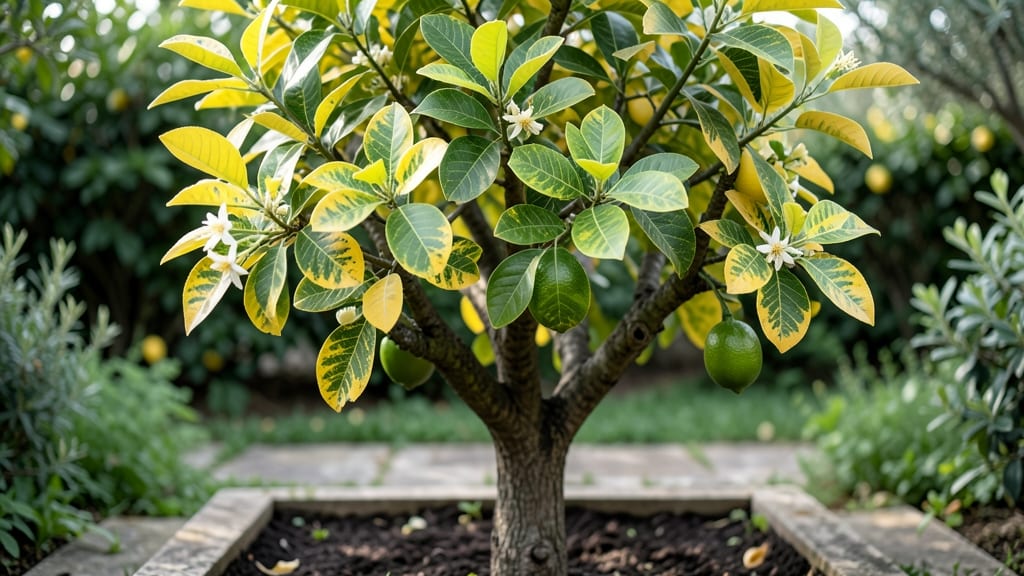
Your lemon tree’s yellow leaves with green veins scream "iron deficiency"—and the good news is, you can fix it fast. 🌿 I’ve nursed back three lemon trees from this exact problem, and the solution comes down to three targeted steps that work every time, no guesswork.
The issue isn’t just a lack of iron—it’s how citrus trees struggle to absorb it when soil pH is off or roots get crowded. That’s why a simple soil test (or even a DIY vinegar-and-baking-soda check) reveals whether your tree needs chelated iron or a pH adjustment.
Once you know the root cause, recovery happens in 4-6 weeks with the right treatment. You’ll see new growth within 2 weeks, and the bright green leaves will return as the tree pulls iron from the soil.
The key is consistency—don’t skip the follow-up treatments, or the yellowing creeps back. This method works for Meyer lemons, Eureka varieties, and even dwarf trees in pots. Prevent future problems by testing soil annually and avoiding overwatering, which leaches nutrients faster.
Here’s exactly how to diagnose and treat it—no more guesswork, just results.
Root Causes Of Yellowing Foliage
When your lemon tree’s leaves turn yellow but keep their green veins, it’s often a cry for help—specifically, a sign that iron deficiency (chlorosis) is disrupting its ability to produce chlorophyll. This condition, while common in citrus trees, isn’t just about lack of iron in the soil.
Several interconnected factors can trigger it, from soil chemistry to environmental stress. Let’s break down the most likely culprits and why they starve your tree of the nutrients it craves.
Iron is abundant in most soils, but your lemon tree can’t access it if the pH is too high. Citrus trees thrive in slightly acidic soil (pH 6.0–7.0).
When soil becomes alkaline (pH 7.5+), iron binds tightly to soil particles, becoming unavailable to roots. Even if you fertilize with iron, the tree can’t absorb it.
Why it happens:
- Calcium and magnesium in hard water or limestone-rich soil raise pH over time.
- Over-fertilization with lime (to lower acidity for other plants) can backfire for citrus.
- Older, weathered soils often lack organic matter to buffer pH swings.
Actionable clue: Test your soil—if pH is above 7.0, iron deficiency is likely the villain. We’ll cover fixes later!
Lemon trees hate soggy feet. When roots sit in waterlogged soil, they suffocate, reducing their ability to take up iron and oxygen. Even if iron is present, the roots can’t transport it efficiently. Waterlogged conditions also promote anaerobic bacteria, which depletes available iron faster.
Why it happens:
- Clay-heavy or compacted soil doesn’t drain well, trapping moisture.
- Overwatering (especially in containers) leads to root rot.
- Poorly amended soil lacks organic matter to improve aeration.
Actionable clue: Check for yellowing leaves paired with mushy roots or a foul soil smell. If your tree’s in a pot, ensure it has drainage holes—and never let it sit in saucers of water.
Not all fertilizers are created equal—and some actively block iron uptake. High levels of phosphorus, manganese, or zinc can compete with iron for root absorption sites. Even well-meaning chelated iron supplements may fail if applied incorrectly (e.g., mixed with hard water or alkaline soil).
Why it happens:
- Overuse of phosphorus-heavy fertilizers (common in granular citrus blends).
- Manganese or zinc toxicity from old, rusty tools or contaminated soil.
- Incorrect iron chelate application (e.g., using it in alkaline water or soil).
Actionable clue: If you’ve recently fertilized, check the NPK ratio—look for low phosphorus (P) in citrus-specific formulas. A soil test can reveal imbalances.
Pathogens like Phytophthora (root rot) or Armillaria (shelf fungus) damage roots, reducing their surface area and efficiency. A stressed root system can’t absorb iron, even if it’s available. These issues often go unnoticed until leaves yellow—by which point the damage is already done.
Why it happens:
- Consistent overwatering creates the perfect environment for fungal growth.
- Poorly sterilized potting mix or garden soil harboring pathogens.
- Old or crowded root systems in container-grown trees.
Actionable clue: Look for blackened, mushy roots or white fungal growth at the soil line. If you suspect disease, prune affected roots immediately and repot in fresh, sterile mix.
Extreme temperatures, salt buildup, or even too much sun can stress your lemon tree, indirectly causing iron deficiency. For example:
- Salt damage (from tap water, fertilizers, or coastal winds) disrupts root cell membranes, blocking nutrient absorption.
- Heat stress increases transpiration, pulling water (and dissolved nutrients) faster than roots can replenish.
- Cold snaps damage fine root hairs, which are critical for iron uptake.
Actionable clue: If your tree is near a road (salt spray) or you use hard water, flush the soil with rainwater or distilled water monthly to reduce salt buildup.
Revive Your Lemon Tree Naturally
If your lemon tree’s leaves are turning yellow with green veins, it’s a clear sign your citrus friend is crying out for help—but don’t worry! With the right care, you can nurse it back to health in just a few steps.
Below, we’ve broken down the most effective fixes based on the root cause, along with simple prevention tips to keep your tree thriving.
Yellow leaves with green veins are often a sign of iron chlorosis, where your lemon tree can’t absorb enough iron from the soil. Here’s how to tackle it:
🔥 Step 1: Test & Amend the Soil
Iron deficiency thrives in alkaline or compacted soil. Start by checking your soil’s pH—ideal for citrus is between 6.0 and 7.0. If it’s higher, mix in:
- ✅ Sulfur or peat moss (lowers pH naturally)
- ✅ Compost or well-rotted manure (improves drainage and nutrient availability)
- ✅ Chelated iron supplement (fast-acting fix—sprinkle around roots or foliar-spray)
Pro Tip: 💡 Never overdo it! Too much sulfur can make the soil too acidic. Test again in 2-3 weeks.
🍳 Step 2: Boost Iron Absorption
Even if iron is present, your tree might not be able to access it. Try these tricks:
- 🌿 Use Epsom salt (magnesium sulfate)—dissolve 1 tbsp in a gallon of water and water the soil monthly.
- 🍋 Apply a liquid iron fertilizer (like Ironite) every 4-6 weeks during growing season.
- 💧 Water deeply but less often—citrus hate soggy roots, which block nutrient uptake.
👨🍳 Step 3: Foliar Feed for Quick Relief
If roots can’t absorb iron fast enough, give your tree a foliar spray:
- Mix 1 tsp chelated iron + 1 tsp liquid seaweed fertilizer in 1 gallon of water.
- Spray evenly on leaves (both top and bottom) in the early morning or late afternoon.
- Repeat every 2-3 weeks until new growth appears.
Pro Tip: 🌡️ Do this on a cool day—direct sun can burn leaves after spraying.
If yellowing leaves are paired with drooping or mushy roots, your tree may be drowning. Fix it with:
🔪 Step 1: Improve Drainage Immediately
Citrus trees hate wet feet. If your pot lacks drainage holes:
- ✅ Repot in a container with holes (terracotta is best for airflow).
- ✅ Add perlite or pumice (20-30%) to potting mix for aeration.
- ✅ Raise pots off the ground to prevent waterlogging.
⏰ Step 2: Adjust Your Watering Routine
Let the top 1-2 inches of soil dry out between waterings. Use the finger test:
- Stick your finger 1 inch deep—if dry, water thoroughly.
- If soil stays wet >48 hours, reduce watering and check drainage.
Pro Tip: 🎯 Mulch with straw or bark to retain moisture without suffocating roots.
If yellowing is only on new leaves or paired with sticky residue or holes, pests or light stress may be the culprit.
🐛 Step 1: Inspect for Pests
Check for:
- 🐜 Scale, aphids, or spider mites (use neem oil or insecticidal soap).
- 🪳 Root-knot nematodes (repot with fresh, sterilized soil).
🌞 Step 2: Optimize Sunlight
Lemon trees need 6-8 hours of sun daily. If leaves are pale or yellow:
- ✅ Move indoors near a south-facing window in winter.
- ✅ Use grow lights (12-14 hours/day) if natural light is lacking.
- ✅ Avoid cold drafts—citrus hate temperature swings.
Once your lemon tree is back in bloom, follow these habits to prevent future yellowing:
- 📊 Fertilize regularly—use a citrus-specific fertilizer every 2 months (spring-fall).
- 💪 Prune dead or yellow leaves to redirect energy to healthy growth.
- 🍎 Rotate pots every few months for even sunlight exposure.
- ✨ Monitor soil pH annually—adjust with lime (to raise pH) or sulfur (to lower) as needed.
With these fixes, your lemon tree should show new green leaves in 4-6 weeks. Keep an eye on its progress, and soon you’ll be harvesting juicy lemons again! 🍋🌿
Frequently asked questions
Can I use regular garden soil for my lemon tree?
No, regular garden soil is too dense and often alkaline, which worsens iron deficiency. Lemon trees need well-draining, slightly acidic soil (pH 6.0-7.0). Mix in 20-30% perlite or sand and add compost or peat moss to improve drainage and acidity. For container-grown trees, use a citrus-specific potting mix.
How often should I apply chelated iron?
Apply chelated iron every 4-6 weeks during the growing season (spring-fall). For severe deficiency, you can apply it monthly until new green leaves appear. Always follow the product instructions, and avoid overapplying—too much iron can be toxic. Mix it with water and apply directly to the soil or use as a foliar spray.
Will yellow leaves with green veins always mean iron deficiency?
Not always! While iron deficiency is the most common cause, similar symptoms can appear with manganese or zinc deficiency, root rot, or even pest damage. Check for other signs: stunted growth (nutrient deficiency), mushy roots (root rot), or tiny webs/holes (pests). A soil test can help pinpoint the exact issue.
Can I fix yellow leaves if my lemon tree is already in full bloom?
Yes, but focus on foliar sprays and light soil amendments to avoid disturbing the tree during bloom. Heavy pruning or repotting can stress the tree and reduce fruit production. Use a gentle chelated iron spray and monitor soil moisture—overwatering worsens nutrient uptake. Recovery may take slightly longer, but consistent care will restore health.
What’s the fastest way to see results?
For quick relief, combine foliar feeding (chelated iron + seaweed spray) with soil amendments (sulfur or compost). Apply foliar sprays every 2 weeks and water deeply but less frequently. You should see new green leaves in 2-3 weeks, with full recovery in 4-6 weeks. Avoid overwatering—soggy roots slow nutrient absorption.