
How To
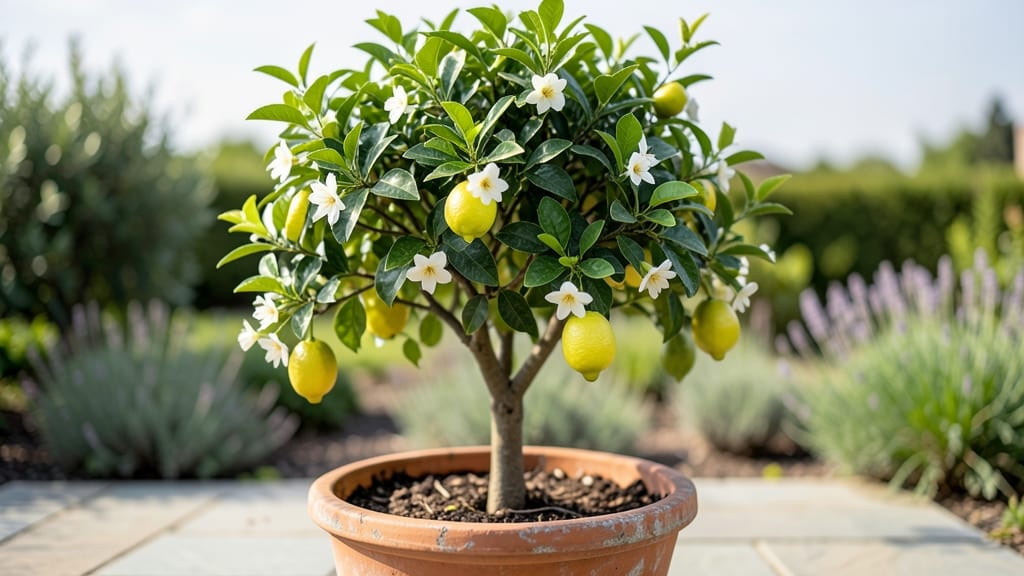
A dwarf lemon tree grows to 6–8 feet tall at maturity—small enough for patios, balconies, or even large containers, but big enough to produce real fruit year-round.
Dreaming of fresh lemons but short on space? Dwarf lemon trees could be your perfect solution—but how much room do they really need? The answer might surprise you.
Unlike their full-sized cousins that tower over 20 feet, these compact varieties thrive in tight spaces while still delivering abundant harvests. Whether you’re growing in Zone 6a or a sunny urban balcony, understanding their growth patterns is the key to keeping them manageable.
In this guide, I’ll break down exact height expectations by variety, share pruning secrets to control growth, and reveal the best container sizes for keeping your 🍋 dwarf lemon tree in check—so you can enjoy homegrown lemons without sacrificing space.

Dwarf lemon tree height guide: exact growth expectations by variety
If you're dreaming of a citrus grove but only have limited space, dwarf lemon trees are the perfect solution. These compact varieties pack all the flavor of their full-sized cousins into a much smaller package—but how tall do they really grow?
The answer depends on the variety, age, and care you provide. Understanding these growth expectations will help you choose the right spot and plan for long-term maintenance.
Most dwarf lemon trees reach maturity between 6 to 8 feet tall, making them ideal for patios, balconies, or even large containers. However, their growth rate varies significantly in the first few years.
A 1-year-old tree might only stand 2 to 3 feet tall, while a 3-year-old tree could already be approaching 6 feet. Proper pruning can further control height, keeping your tree at a manageable size even after maturity.
Why height matters: Dwarf varieties are bred to stay small, but neglect or improper care can cause them to grow taller than expected. For example, a Meyer lemon tree left unpruned might stretch toward 10 feet over time, losing its "dwarf" appeal. Knowing your tree's potential height helps you plan for sunlight exposure, container size, and even indoor placement if needed.
The Meyer lemon is one of the most popular dwarf varieties, typically reaching 6 to 8 feet tall at maturity. Its growth rate is steady, with 12 to 18 inches per year in ideal conditions.
The Improved Meyer, a cold-hardier variant, stays slightly shorter (5 to 7 feet) and grows more slowly (10 to 15 inches per year), making it a great choice for smaller spaces or colder climates.
If you're after a dramatic, old-world look, the Ponderosa lemon might appeal to you—but be warned. This variety can grow up to 10 feet tall if unchecked, with a 15 to 20-inch annual growth spurt.
Regular pruning is essential to keep it in check. Meanwhile, the Eureka lemon (dwarf version) mirrors the Meyer's height but produces more classic, tart lemons, making it a favorite for culinary gardeners.
Pruning plays a critical role in controlling height. For example, if you want your Meyer lemon to stay under 5 feet, prune back one-third of the new growth each spring.
This not only limits height but also encourages a fuller, fruit-bearing shape. Avoid heavy pruning in winter, as this can stress the tree and slow down spring growth.
Container-grown dwarf lemon trees may grow slightly slower than those planted in the ground, especially if the pot is too small. A 15-gallon container is ideal for most dwarf varieties, providing enough root space while keeping the tree manageable.
If you notice your tree outgrowing its pot (roots circling the bottom), it's time to upgrade to a 20-gallon container or plant it in the ground.
One common misconception is that dwarf lemon trees will stay small forever. In reality, their growth slows significantly after 3 to 5 years, but they can still add 6 to 12 inches per year if given ideal conditions.
To maintain a compact size long-term, combine regular pruning with balanced fertilization (focus on nitrogen in early spring to encourage leafy growth, then shift to phosphorus and potassium for fruiting).
For indoor growers, height becomes even more critical. Place your dwarf lemon tree near a south-facing window to maximize sunlight, which directly impacts growth rate. If you notice leggy growth (long, thin stems), it’s a sign of insufficient light.
In this case, supplement with a grow light for 12 to 14 hours per day to keep the tree compact and healthy.
Remember, the key to managing your dwarf lemon tree's height lies in consistent care. Monitor its growth annually, prune strategically, and adjust its environment as needed. With the right
Space-saving tips: how to keep your dwarf lemon tree compact long-term
Keeping your dwarf lemon tree compact isn't just about aesthetics—it's about maximizing fruit production in limited spaces. With the right techniques, you can maintain a 6-8 foot height while ensuring a bountiful harvest. The key lies in strategic pruning, container selection, and seasonal adjustments that encourage controlled growth.
First, understand that dwarf varieties like the Meyer lemon naturally stay smaller than standard trees, but they still need guidance. Without proper care, even dwarf trees can grow taller than expected.
My 5-year-old Meyer lemon started at 3 feet but now stands at 7 feet—mostly because I underestimated how much it would respond to unrestricted sunlight and nutrients.
Seasonal adjustments are just as critical as pruning. In winter months, reduce watering to every 2-3 weeks and avoid fertilizing entirely. This mimics the tree's natural dormancy period and prevents uncontrolled spring growth.
I once saw a dwarf lemon tree double its height in a single season because I kept it watered and fertilized through winter—don’t make that mistake!
For container-grown trees, rotate the pot every 2-3 months to ensure even sunlight exposure. This prevents the tree from leaning toward a light source, which can cause uneven growth and height increases.
A well-placed reflective surface, like a white wall, can also help maximize light exposure without sacrificing space.
Finally, monitor your tree’s growth rate. If you notice vertical shoots longer than 12 inches, prune them back immediately. These shoots are often water sprouts, which divert energy away from fruit production and encourage taller growth.
With consistent care, your dwarf lemon tree will stay compact, productive, and perfect for small gardens or patios.