
Trees
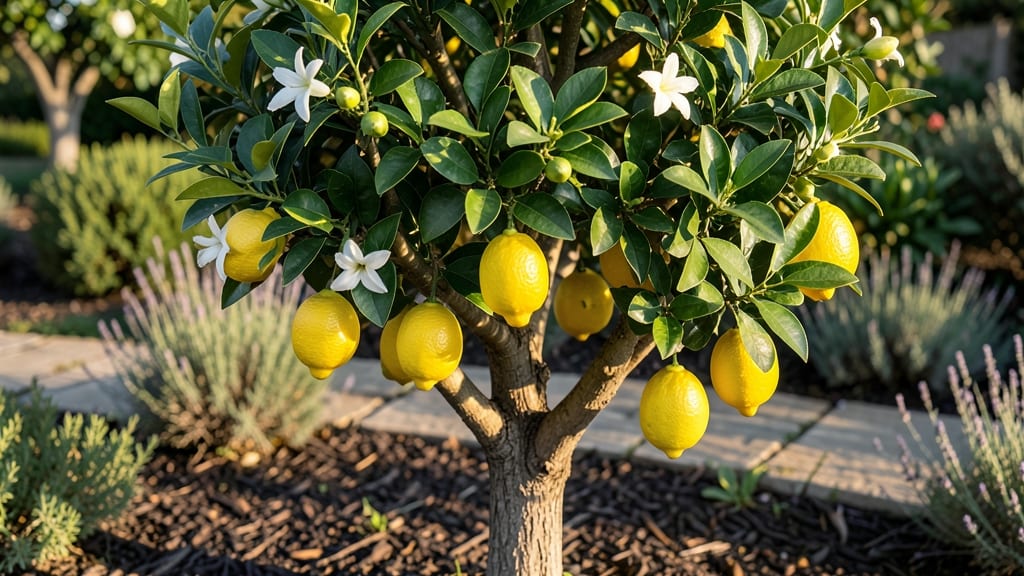
A Eureka lemon tree’s height 🍋 can soar to 20 feet if left unchecked—but with the right pruning and growing conditions, you can keep it compact, even in containers.
Picture this: a towering citrus giant blocking your patio or a neatly trimmed dwarf variety perched on your balcony, laden with lemons. The difference isn’t just luck—it’s all in the variety, pruning style, and how you train it from day one.
Standard Eureka lemon trees reach 15–20 feet in Zone 6, while dwarf varieties stay under 8 feet. But even the tallest can be tamed with strategic cuts, espalier techniques, and the right pot size. Below, I’ll break down how to control its growth without sacrificing fruit.
You’ll learn the exact spacing needs, pruning schedules, and container hacks to fit this citrus powerhouse into any space—whether you want a kitchen-side tree or a balcony-sized harvest.

Eureka lemon tree height by variety: standard vs dwarf vs semi-dwarf sizes
Choosing the right Eureka lemon tree variety is key to fitting it into your garden or patio space. The standard Eureka lemon can reach 15-20 feet tall in ideal conditions, while dwarf varieties stay compact at just 6-8 feet.
Understanding these differences helps you plan spacing, pruning, and even container sizes for your citrus dream.
The rootstock used to graft the Eureka lemon determines its eventual size. Standard trees use vigorous rootstock like Rough Lemon or Trifoliate Orange, while dwarf rootstock like Swingle Citrumelo or Flying Dragon keeps growth in check. Semi-dwarf varieties strike a balance, typically reaching 10-12 feet at maturity.
Here’s how each variety compares in terms of height, growth rate, and ideal spacing—plus whether they thrive in containers or need ground planting:
If you’re growing outdoors, standard Eureka lemons need plenty of room—think 12-15 feet of spacing between trees to ensure airflow and sunlight penetration. Their rapid growth rate of 3-4 feet per year means they’ll quickly outgrow small gardens, so plan accordingly if you’re planting near fences or structures.
For semi-dwarf varieties, the 8-10 feet of spacing works well in suburban yards. These trees strike a balance between productivity and manageability, producing high-quality lemons while staying under 12 feet tall. They’re also versatile for container growing if you use pots at least 24 inches in diameter.
Dwarf Eureka lemons are the perfect choice for patios, balconies, or small urban gardens. Their 6-8 foot height makes them ideal for 5-gallon containers or larger, and their slower growth rate means less frequent pruning.
Just ensure your pot has drainage holes to prevent root rot—a common issue with citrus trees.
One factor that often surprises gardeners is how rootstock influences fruit production. While dwarf rootstock keeps the tree small, it may slightly reduce the number of lemons compared to standard trees. However, the trade-off is worth it for many growers who prioritize space efficiency over maximum yield.
Pro tip: If you’re unsure which variety to choose, start with a semi-dwarf Eureka lemon. It offers the best of both worlds—manageable size and high productivity—while giving you flexibility to prune or container-grow as needed.
For example, I grew a semi-dwarf in a 30-gallon fabric pot on my balcony and still harvested 50+ lemons per year!
Remember, pruning plays a huge role in controlling height, even with dwarf varieties. Regular pruning in late winter or early spring can keep your tree at your desired height while encouraging bushier growth and more fruit. Just avoid over-pruning, as this can stress the tree and reduce lemon production.
Whether you’re dreaming of a backyard citrus grove or a patio-sized lemon tree, understanding these height differences will help you make the best choice for your space. Start with the variety that fits your goals—and don’t forget to enjoy those fresh lemons year-round!
How pruning affects Eureka lemon tree height: techniques to control growth
Your Eureka lemon tree can reach 15-20 feet tall if left unchecked, but strategic pruning lets you shape it to fit your space—whether that's a 6-foot container tree or a 10-foot patio specimen.
The key lies in timing, technique, and understanding how much growth you're willing to sacrifice for fruit production. Pruning at the right time can reduce height by 30-50% while still keeping your tree productive.
Pruning isn't just about height control—it also improves air circulation, reduces disease risk, and encourages bushier growth with more fruit-bearing branches. However, over-pruning can stress the tree, leading to fewer lemons.
The goal is balance: enough pruning to manage height without stunting productivity. Let's explore the best methods to keep your Eureka lemon tree at your desired height while maximizing your harvest.
Start with light pruning in late winter or early spring, just as new growth begins. This is when your Eureka lemon tree enters its active growth phase, making it the ideal time to shape the tree without causing stress.
Use sharp, sterilized pruners to make clean cuts at a 45-degree angle, about 1/4 inch above a leaf node. This encourages new growth from the right spot and prevents disease.
For height control, focus on heading back the central leader—the main vertical stem. Cut back the top 1-2 feet to encourage lateral branches to form. Repeat this process annually to keep the tree at your desired height.
If you're growing in a container, aim for a 6-8 foot maximum height to avoid top-heaviness and ensure stability.
Try espalier training if you want to grow your Eureka lemon tree against a wall or trellis. This technique spreads the tree horizontally, keeping it within a 4-6 foot height range while maximizing fruit production.
Start by selecting 4-6 main branches and training them along wires or supports. Prune back any suckers or competing growth to maintain the desired shape.
Remember, over-pruning can reduce fruit yield by up to 30% in the first year, so avoid cutting back more than 25% of the tree's foliage in a single session. Monitor your tree's response and adjust your pruning plan accordingly.
With the right approach, you can enjoy a compact, productive Eureka lemon tree that fits perfectly in your garden or patio.