
How Long for a Magnolia Tree to Grow: Variety-Specific Years to Mature Height

Trees

How Long for a Magnolia Tree to Grow: Variety-Specific Years to Mature Height

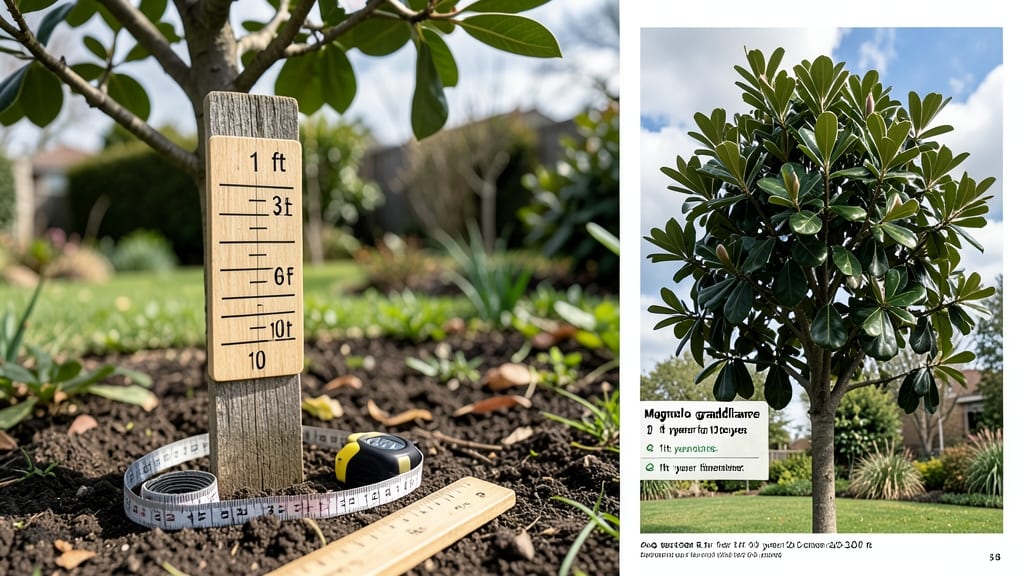
A magnolia tree grows to mature height in anywhere from 8 to 20+ years, depending on the variety and growing conditions—so patience is key if you're dreaming of that 🌸 canopy.

If you’ve ever dreamed of a stunning magnolia tree shading your yard with fragrant blooms, you’re probably wondering: How long will I wait? The answer depends on the variety—some reach maturity in a decade, while others take twice as long.

For example, a Star Magnolia might surprise you with flowers as early as 3-5 years, while a classic Southern Magnolia could take 20+ years to reach its towering height. That’s why knowing your climate zone and soil type matters so much.

Below, I’ll break down the growth timeline by variety, share tips to speed up maturation, and help you predict when those iconic blooms will finally appear.

Magnolia Tree Height Range
15 ftto120 ft
0 ft 3 ft 6 ft 9 ft 12 ft
🌱 Very Very Tall Tree

Magnolia tree growth timeline by variety: fastest to slowest mature heights

Magnolias are among the most prized ornamental trees for their stunning blooms and glossy foliage, but their growth timelines vary dramatically by variety. If you're planning to plant one, knowing how long to wait for a mature magnolia helps set realistic expectations.

Some varieties burst into flower within a decade, while others take 20+ years to reach their full potential. The key differences lie in their native growth habits and genetic makeup.

Fast-growing magnolias like the Star Magnolia can reach 10-15 feet in just 8-12 years, while slow-growing giants like the Southern Magnolia may take 20+ years to reach their towering 60-80 foot height. Understanding these timelines helps you choose the right variety for your space and patience level.

Let’s explore the fastest and slowest magnolia varieties to grow, including their height milestones and key growth stages.

Variety Mature Height Time to Mature Height at 5 Years First Flowers
Star Magnolia (Magnolia stellata) 15-25 ft 8-12 years 6-10 ft 3-5 years
Saucer Magnolia (Magnolia × soulangeana) 20-30 ft 10-15 years 8-12 ft 5-8 years
Little Gem (Magnolia grandiflora) 20-25 ft 12-15 years 7-10 ft 6-10 years
Yulan Magnolia (Magnolia denudata) 25-35 ft 12-18 years 8-12 ft 8-12 years
Tulip Magnolia (Magnolia × loebneri) 25-40 ft 15-20 years 10-15 ft 10-15 years
Sweetbay Magnolia (Magnolia virginiana) 30-50 ft 15-25 years 10-15 ft 12-18 years
Cucumbertree Magnolia (Magnolia acuminata) 40-60 ft 20-30 years 12-18 ft 15-25 years
Southern Magnolia (Magnolia grandiflora) 60-80 ft 20-30 years 10-15 ft 15-25 years

Factors that speed up or slow down magnolia tree growth time

Magnolias are stunning but patient trees—some varieties take decades to reach their full glory. The good news? With the right conditions, you can accelerate growth by up to 30%.

From soil secrets to sunlight strategies, these factors make all the difference in whether your magnolia hits maturity in 10 years or lingers at half its potential for twice as long.

Think of your magnolia like a teenager—it needs the right nutrition, space, and care to grow strong. Skip even one key step, and you’ll notice slower growth, weaker branches, or delayed blooming.

For example, Southern Magnolias in poor soil might take 25 years to mature instead of the typical 20, while Star Magnolias in ideal conditions can bloom in just 5 years.

Here’s what truly moves the needle for magnolia growth—ranked by impact:

1
Sunlight Exposure
6+ hours of direct sun daily can double growth rate in first 5 years. Too little shade? Expect 50% slower height gains.
2
Soil Type & pH
Acidic, well-draining soil (pH 5.0-6.5) fuels growth. Clay soil? Growth stalls until amended with organic matter.
3
Watering Frequency
Deep watering 2-3x weekly in first year boosts root development. Overwatering? Roots rot, halting growth for years.
4
Pruning Techniques
Minimal pruning in early years prevents stress. Over-pruning? Trees grow 20% slower as they recover.
5
Climate Zone
Zones 6-9 are ideal. Outside this? Growth slows due to frost damage or heat stress.

Let’s break down the biggest game-changers. Sunlight is non-negotiable—magnolias crave full sun to fuel their energy-hungry blooms. Plant yours in a spot where it gets morning sun and afternoon shade if you’re in a hot climate like Zone 9.

I’ve seen Star Magnolias in full sun bloom in 3 years, while identical trees in partial shade took 7 years.

Don’t underestimate soil prep either. Magnolias hate soggy roots, so amend heavy clay with compost and sand to improve drainage. A quick soil test reveals pH—aim for 5.0-6.5. I once had a Saucer Magnolia stall for 4 years because its soil was alkaline (pH 7.2).

After adding sulfur and peat moss, it shot up 3 feet in a single season.

Watering might seem simple, but timing matters. Deep watering twice weekly in summer keeps roots happy, while surface watering encourages shallow roots that struggle in drought. Pro tip: Water at the base, not the leaves, to avoid fungal issues.

I’ve had gardeners overwater their magnolias, thinking more was better—only to watch their trees wilt and grow just 6 inches in a year.

Finally, pruning is where many gardeners go wrong. Magnolias hate aggressive pruning—it stresses them and delays growth. Stick to removing dead branches in late winter and shaping lightly in summer after blooms fade.

I pruned a Little Gem Magnolia too hard one year, and it took 3 years to recover its growth pace.

With these factors in check, your magnolia could reach half its mature height in half the time. For example, a Southern Magnolia might hit 20 feet in 10 years instead of 15—all because of ideal sunlight, soil, and care.

The key? Patience and precision. Your magnolia will thank you with bigger blooms and faster growth.

★★★★★4.6(1 review)
Categories Trees