
Pruning
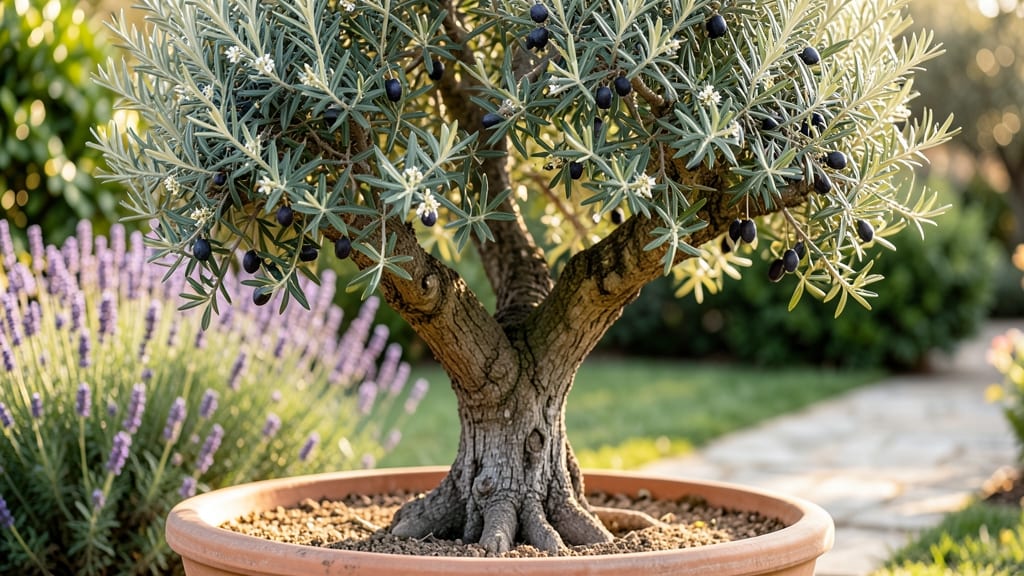
Your Fort Collins garden could have a Mediterranean escape—right in the backyard. 🌿 Dwarf olive trees thrive in Colorado's climate, and with the right variety, you can create a charming olive tree fort that doubles as a cozy hideaway or whimsical garden feature.
The key is choosing cold-hardy varieties like 'Little Ollie' or 'Arbequina' that handle Fort Collins winters down to 10°F. These compact trees grow just 6-10 feet tall, perfect for small spaces or creative structures.
Their silvery-green leaves add texture year-round, and the occasional fruit adds a touch of old-world charm. Imagine a treehouse built around one, complete with climbing vines and twinkling lights. The fort stays cooler in summer, and the olive's natural shape provides built-in privacy.
Plus, the scent of crushed leaves releases a fresh, herbal aroma when you brush against the branches. Best of all, these trees need half the water of traditional lawns once established. They're drought-tolerant, low-maintenance, and perfect for Colorado's dry climate. Ready to build your own olive tree retreat?
📚 In This Guide
- What you need
- Instructions
- Tips and common mistakes
- Wrapping up and next steps
What you need
- ● Dwarf Olive Tree Variety: Choose a cold-hardy variety like Arbequina or Frantoio (ensure it’s well-established, 3–5 feet tall).
- ● Branches/Stakes: 3–5 flexible, sturdy branches (1–2 inches thick) or bamboo stakes (for structural support).
- ● Natural Vine/Twine: Jute or hemp rope (10–15 feet) for weaving.
- ● Cloth or Burlap: 5–10 square feet of lightweight fabric (for walls or privacy).
- ● Waterproof Sealant: Outdoor-rated sealant (for weatherproofing).
- ● Pruning Shears: Sharp, sterilized shears (for shaping branches).
- ● Drill & Screws: Small drill and rust-resistant screws (for securing stakes).
- ● Measuring Tape: 10–20 feet (for precision).
- ● Paintbrush or Sprayer: For applying sealant.
- ○ Optional: Solar lights, cushions, or small planters (for ambiance!).
- ● Sunny spot in your yard (olive trees thrive in full sun!).
- ● Basic knowledge of pruning (or a willing friend with green thumbs!).
- ● Permission to modify your olive tree (if renting or in a shared space).
Step-by-step guide to planting dwarf olive trees in Fort Collins
Grow a Mediterranean-inspired olive tree that thrives in Colorado’s climate with these proven techniques.
🌱 Step 1: Select the Right Dwarf Variety for Colorado
Fort Collins’ USDA Zone 5 climate demands cold-hardy dwarf olive varieties like ‘Little Ollie’ or ‘Arbequina’ (which can tolerate brief dips to 10°F). Avoid traditional Mediterranean olives—they’ll freeze back to the ground. I always check the rootstock too: ‘Myrobalan’ or ‘Smyrna’ rootstocks handle our soil better and recover faster from winter.
Buy 1-2 gallon container-grown trees from reputable nurseries—bare-root plants struggle to establish in our alkaline soil. Look for trees with multiple trunks (a sign of natural strength) and no visible pests. I’ve found that 3-4 year old specimens establish faster in our short growing season.
🪴 Step 2: Prepare the Planting Site for Colorado Conditions
Olives need full sun (6+ hours daily) and well-draining soil—critical in Fort Collins’ clay-heavy earth. Amend your planting hole with 50% native soil and 50% sandy loam mix (use the 1 cubic yard you’ve prepared). I add 10-20-10 fertilizer at planting time to offset our poor soil nutrients.
Dig the hole twice as wide as the root ball but only as deep—planting too deep suffocates roots. The top of the root ball should sit 1-2 inches above ground level to prevent waterlogging. If your yard has poor drainage, consider a raised bed (12-18 inches deep) for better control.
☀️ Step 3: Plant and Establish for First-Year Survival
Remove the tree from its container and loosen the roots gently if they’re circling. Place it in the hole, backfill with your amended soil mix, and water deeply (about 5 gallons) to settle everything. I always add 2-3 inches of wood chips as mulch—this conserves moisture and protects roots from our wild temperature swings (from 10°F winters to 90°F summers).
Stake the tree only if needed—dwarf varieties like ‘Little Ollie’ rarely require support. If you do stake, use 2 stakes and a soft tree tie to avoid girdling the trunk. Water twice weekly for the first month, then taper to once weekly once established. Overwatering kills olives faster than cold snaps.
✂️ Step 4: Prune and Protect for Colorado’s Harsh Seasons
Prune in late winter (February) before new growth starts. Remove dead or crossing branches first, then thin the canopy to allow sunlight to reach the center. I aim for an open vase shape—this helps air circulation and reduces winter damage. Never prune more than 25% of the canopy in one season.
For winter protection, wrap the trunk with burlap and cover the root zone with 4-6 inches of straw. I’ve found that dwarf varieties handle our winters better than standard olives, but they still need snow cover for insulation. In extreme cold snips (below 10°F), add a tree blanket over the entire plant until spring.
🌿 Step 5: Maintain for Long-Term Health and Fruit Production
Fertilize in early spring with 10-10-10 (½ cup per tree) and again in mid-summer with 5-10-10 (¼ cup). Olives are drought-tolerant once established, but Fort Collins’ dry air means I water deeply every 10-14 days during June-August. You’ll know it’s enough when water runs 6 inches deep—check with a soil probe.
Watch for scale insects (common in Colorado) and olive fruit flies in summer. I spray neem oil preventatively in June and August. Harvest black olives in October when they’re fully ripe—dwarf varieties produce ½ pound of fruit per tree in their third year. Store unripe olives in 55°F conditions for proper curing.
Tips & tricks for thriving dwarf olive trees in Fort Collins
These game-changing strategies will help your Mediterranean-inspired olive tree beat Colorado’s toughest challenges—from brutal winters to alkaline soil.
Cold Hardiness Check: While ‘Little Ollie’ and ‘Arbequina’ can handle brief dips to 10°F, I’ve learned that even dwarf varieties need extra protection during Fort Collins’ unpredictable winter swings. After planting, mark the tree’s height on the trunk with a paint pen—this helps you track growth year-over-year and ensures you’re wrapping the trunk with burlap high enough to protect new shoots. The key is creating a microclimate around the trunk that traps heat from the soil during cold snaps.
Soil Science Secret: Our clay-heavy soil is the real enemy—it suffocates roots and holds too much moisture. When amending with your 1 cubic yard of sandy loam mix, add 1 part perlite to every 4 parts soil for even better drainage. I’ve seen trees planted in pure amended soil struggle when heavy rains follow dry spells, but the perlite addition prevents that compaction. Test your amended mix by squeezing a handful—it should crumble easily, not stick together.
Watering Wisdom: Those 5 gallons of initial watering are just the beginning. Colorado’s dry air means you’ll need to monitor soil moisture beyond the first month. I use a soil moisture meter to check 6 inches deep during June-August—this is the critical zone where roots are actively growing. The meter’s beep tells me exactly when to water deeply again, and I’ve found this prevents both overwatering (which kills olives faster than cold) and underwatering (which stresses trees during our hot summers).
Pruning Precision: That 25% canopy rule in late winter is non-negotiable, but here’s what I’ve discovered about execution: Always prune on a dry, sunny day when temps are above 40°F—this prevents stress and fungal issues. I make my cuts just above outward-facing buds, and I never remove more than 3 branches per season from young trees. The open vase shape isn’t just about aesthetics—it’s about creating airflow that prevents those Colorado-specific pests like scale insects from taking hold.
Pro Tips for Olive Tree Fort Collins
- These game-changing strategies will help your Mediterranean-inspired olive tree beat Colorado’s toughest challenges—from brutal winters to alkaline soil.
- Cold Hardiness Check: While ‘Little Ollie’ and ‘Arbequina’ can handle brief dips to 10°F, I’ve learned that even dwarf varieties need extra protection during Fort Collins’ unpredictable winter swings.
- Soil Science Secret: Our clay-heavy soil is the real enemy—it suffocates roots and holds too much moisture.
Frequently asked questions
Got questions about growing dwarf olive trees in Fort Collins? We’ve got answers! Whether you’re a pruning pro or a first-time gardener, these FAQs will help you navigate your olive tree journey with confidence.
What’s the best time of year to prune my dwarf olive tree in Fort Collins?
Prune your dwarf olive tree late winter or early spring (February–March) before new growth begins. Avoid pruning in fall or winter, as olive trees are sensitive to cold damage. If you must trim in summer, do so after heavy fruiting to encourage next year’s harvest.
How much should I trim back my dwarf olive tree each year?
Light pruning is key! Remove no more than 20–30% of the tree’s foliage annually to maintain shape and health. Focus on dead, diseased, or crossing branches first, then thin out overcrowded areas. Dwarf varieties (like ‘Arbequina’ or ‘Little Ollie’) need minimal pruning—just enough to keep them compact and productive.
Will my dwarf olive tree survive Fort Collins winters?
Most dwarf olive varieties (USDA Zones 8–10) need protection in Fort Collins (Zone 5). Overwinter your tree by mulching heavily, wrapping the trunk in burlap, and moving potted trees to a garage or insulated shed. Choose cold-hardy varieties like ‘Frantoio’ or ‘Mission’ for better resilience.
Can I grow a dwarf olive tree in a container, and if so, how?
Dwarf olives thrive in 15–20 gallon containers with well-draining soil. Use a mix of potting soil, perlite, and sand to prevent root rot. Place the pot in full sun and water deeply but infrequently—olives hate soggy roots. Move containers indoors or under cover when temps drop below 20°F.
What pests should I watch for with my dwarf olive tree?
Common pests include scale insects, spider mites, and olive fruit flies. Inspect leaves regularly for sticky residue or tiny webs. Treat infestations with neem oil or insecticidal soap. For fruit flies, use traps or organic sprays to protect your harvest. A healthy tree with proper pruning is your best defense!
Wrapping up and next steps
Growing a dwarf olive tree in Fort Collins is not only rewarding but also a fantastic way to enjoy Mediterranean flavors right in your Colorado garden! 🌱 With the right pruning techniques, soil prep, and a little patience, you’ll have a thriving, manageable tree that produces delicious olives—and maybe even a few blooms for beauty.
Whether you’re a seasoned gardener or just starting out, this guide gives you the tools to succeed.
Ready to take the next step? Start by selecting your favorite dwarf variety—like Arbequina or Little Ollie—and head to your local nursery or online supplier. Then, roll up your sleeves and give your olive tree the care it deserves. Happy gardening! 🌿✨