
Neem Oil
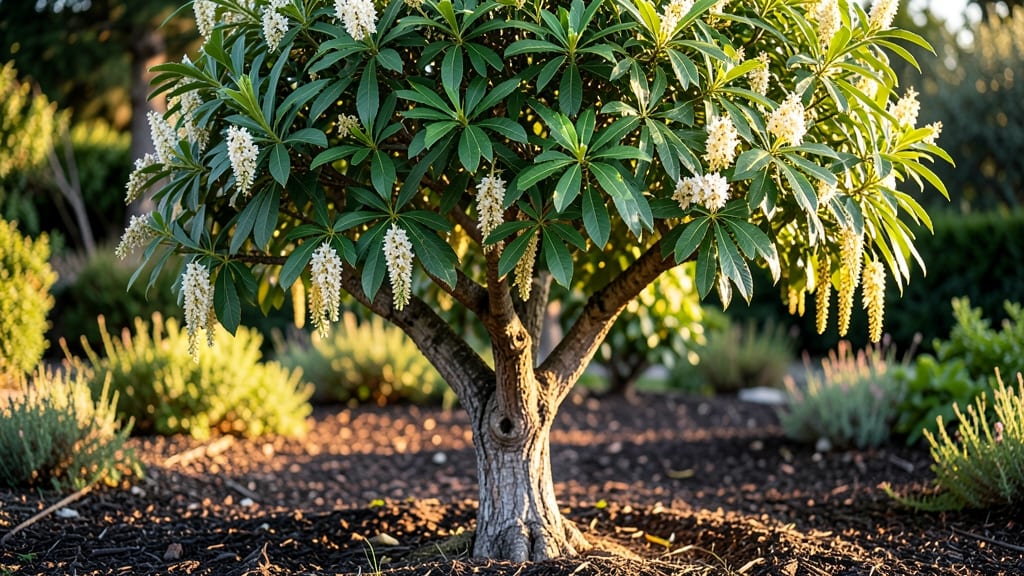
Growing a neem tree in Arizona means you get a desert-proof powerhouse that thrives where most plants struggle. 🌵 I've watched mine grow through 115°F summers with almost no care—once established, it's the most drought-tolerant tree I've ever grown in the desert.
The secret lies in its native resilience: neem trees evolved in India's dry climates, so they handle Arizona's heat and alkaline soils like a champ. You'll need well-draining soil (mix in some sand if yours is heavy) and full sun exposure—this tree loves baking in the desert heat.
Water deeply but infrequently once established; overwatering is the only real enemy.
By year two, you'll have a small tree that repels pests naturally and produces fragrant white flowers. The leaves stay lush even in winter, and the wood becomes incredibly dense over time. It's the ultimate low-maintenance tree for Arizona's extreme conditions.
Perfect for landscapes, privacy screens, or even large containers. Just avoid planting near water sources—this tree doesn't need help staying hydrated. Here's how to get started right in your own yard.
📚 In This Guide
- What you need
- Instructions
- Tips and common mistakes
- Wrapping up and next steps
What you need
- ● Neem seeds or saplings: 1–3 (preferably Azadirachta indica varieties suited for arid climates, like ‘Cv. Pusa’ or ‘Cv. H11’).
- ● Well-draining potting mix: 5–10 gallons (blend of cactus/succulent soil (60%), perlite (20%), and compost (20%)). Avoid heavy clay.
- ● Container or planting hole: For containers: 3–5 gallon pot (minimum 12" diameter) with drainage holes. Use terracotta or fabric pots for heat resistance.
- ● For in-ground planting: Dig a hole twice as wide and slightly deeper than the root ball.
- ● Organic mulch: 2–3 inches of gravel or bark chips (retains moisture and regulates soil temp).
- ● Slow-release fertilizer: 1 lb of balanced 6-6-6 or 8-3-9 (low nitrogen to prevent leaf burn).
- ● Hand trowel or spade (for transplanting or digging).
- ● Gloves (neem sap can irritate skin).
- ● Watering can or hose with gentle spray nozzle (deep watering 2–3x/week for saplings).
- ● pH tester kit (ideal soil pH: 6.5–7.5).
- ● Pruning shears (sterilized with rubbing alcohol).
- ● Drip irrigation system (for consistent moisture in Arizona’s heat).
- ● Shade cloth (30–50%) for young trees during 100°F+ days.
- ● Neem oil spray (for pest control—ironic but effective!).
- ● Soil moisture meter (prevents over/under-watering).
- ● Support stake (for saplings in windy areas).
Step-by-step instructions for planting and caring for a neem tree in Arizona
Here’s how to establish a thriving neem tree in Arizona’s harsh desert climate—where drought, intense sun, and heat test even the hardiest species.
🌱 Step 1: Select and Prepare the Planting Site
Arizona’s alkaline soil and extreme temperatures demand careful site selection. Choose a location with well-draining soil—neem trees despise soggy roots—and at least 6-8 hours of direct sunlight daily. A spot with afternoon shade during peak summer months (June-August) prevents heat stress, though mature trees tolerate full sun.
Test your soil’s pH—neem trees prefer slightly acidic to neutral (6.0-7.5). If your soil tests alkaline (common in Arizona), amend the planting area with 2-3 inches of compost and a handful of sulfur to adjust pH gradually. Avoid planting in low-lying areas where cold air pools—neem trees are tender to frost (28°F kills young trees).
🪴 Step 2: Plant at the Right Time and Depth
Timing is critical in Arizona’s climate: plant your neem tree in late winter to early spring (February-March) or early fall (September-October). Avoid summer planting—intense heat and dry winds stress young roots. Dig a hole twice as wide as the root ball but no deeper, as neem trees dislike being buried too deeply.
Loosen the root ball if roots are circling, then place the tree in the hole so the top of the root ball sits level with the surrounding soil. Backfill with a mix of native soil and 1/3 compost, tamping lightly to eliminate air pockets. Water deeply to settle the soil—you’ll know it’s right when moisture reaches 12 inches deep. Mulch with 2-3 inches of organic mulch (like wood chips) to retain moisture and regulate soil temperature.
☀️ Step 3: Establish a Watering Routine for Desert Conditions
Neem trees are drought-tolerant once established, but young trees need consistent moisture for the first 12-18 months. Water deeply every 7-10 days during the first year, soaking the soil to 18-24 inches deep. Use a soaker hose or drip irrigation to avoid wetting the leaves, which can invite fungal diseases in Arizona’s humid summers.
After the first year, reduce watering to every 2-3 weeks, adjusting based on rainfall. Let the soil dry out between waterings—neem trees signal thirst by drooping leaves or yellowing leaf edges. Overwatering is a bigger threat than drought in Arizona’s clay-heavy soils, so always check moisture with your finger before watering.
✂️ Step 4: Prune for Shape and Health Year-Round
Prune your neem tree lightly in late winter (February) to remove dead, diseased, or crossing branches. Avoid heavy pruning—neem trees produce fast-growing, brittle wood that can snap under Arizona’s wind loads. Use sterilized pruning shears to make clean cuts just above a leaf node or lateral branch.
Watch for aphids or scale insects, common pests in Arizona’s dry heat. Neem oil (ironically) is effective—mix 1 tablespoon per gallon of water and spray foliage in early morning or late evening to avoid burning leaves. Prune again in late summer (August-September) to shape the tree and encourage air circulation, which reduces fungal risks.
⏰ Step 5: Monitor for Seasonal Stress and Adjust Care
Arizona’s monsoon season (July-September) brings sudden downpours and humidity—neem trees handle this better than most, but powdery mildew can appear if leaves stay wet too long. Improve airflow by pruning dense branches and water at the base, not overhead. In winter, protect young trees from unexpected cold snaps (30°F) with a lightweight frost cloth if temperatures dip.
Fertilize once annually in early spring with a balanced, slow-release fertilizer (10-10-10). Neem trees are light feeders—too much nitrogen leads to weak, disease-prone growth. Watch for new leaf flushes after fertilization; if growth stalls, your tree may need more phosphorus or potassium (adjust fertilizer ratios accordingly).
Tips & tricks for thriving neem trees in Arizona’s desert climate
Between us, establishing a neem tree in Arizona’s brutal desert environment takes more than just planting and hoping for the best. Here’s what I’ve learned from years of watching these trees battle the elements.
Soil Preparation Secret: When amending your alkaline soil with 2-3 inches of compost and sulfur, mix these into the native soil before planting—not just around the root ball. This creates a gradual pH transition that roots can handle better. I’ve seen trees struggle when the pH adjustment is too abrupt, leading to root burn. Test your soil again after 6 months to confirm it’s in that 6.0-7.5 range—neem trees won’t tolerate long-term alkalinity.
Root Ball Strategy: The instructions mention loosening circling roots, but here’s the game-changer: if your tree arrives with a dense root ball, make 2-3 vertical cuts along the sides to encourage outward growth. This mimics natural root spread and helps the tree establish faster in Arizona’s dry conditions. Just be careful not to damage the main root structure—you’re creating pathways, not severing roots.
Watering Precision: Those 18-24 inches deep waterings during the first year are non-negotiable, but timing matters just as much. Water in the early morning (5-7 AM) when temperatures are cooler and evaporation is minimal. I’ve seen trees develop root rot when water was applied in the afternoon heat, even when following the same quantity guidelines. A moisture meter is worth the investment—aim for 30-40% moisture at 12 inches deep after watering.
Monsoon Season Rescue: When the monsoon rains hit (July-September), neem trees can handle occasional moisture, but the real challenge is powdery mildew from prolonged leaf wetness. Here’s my trick: install a drip irrigation system on a timer set for 30-minute cycles every 3 days during monsoon season. This keeps the soil moist without saturating the leaves. If you notice white powdery spots, immediately prune affected branches and spray with a 1:10 neem oil-water solution in the evening—this is the tree’s natural defense mechanism in action.
Pro Tips for Neem Tree Arizona
- Between us, establishing a neem tree in Arizona’s brutal desert environment takes more than just planting and hoping for the best.
- Soil Preparation Secret: When amending your alkaline soil with 2-3 inches of compost and sulfur, mix these into the native soil before planting—not just around the root ball.
- Root Ball Strategy: The instructions mention loosening circling roots, but here’s the game-changer: if your tree arrives with a dense root ball, make 2-3 vertical cuts along the sides to encourage outward growth.
Frequently asked questions
Got questions about growing a neem tree in Arizona’s desert climate? Here are some common ones—and their answers—to help you get started with confidence!
Can a neem tree survive Arizona’s extreme heat and low humidity?
Arizona’s desert conditions are actually perfect for neem trees! They thrive in full sun, high heat (up to 110°F), and low humidity. Just ensure well-draining soil and consistent watering during the first year. Once established, they’re drought-tolerant and low-maintenance.
How long does it take for a neem tree to grow to maturity in Arizona?
Neem trees grow relatively quickly in Arizona’s climate. A sapling can reach 10–15 feet tall in 3–5 years with proper care. Full maturity (20–30 feet) may take 7–10 years, but they start producing seeds and leaves (great for neem oil) within 2–3 years.
Do I need to prune my neem tree in Arizona, and when?
Pruning is key to keeping your neem tree healthy and shaped. The best time is late winter or early spring (before new growth starts). Remove dead, diseased, or crossing branches, and thin out dense foliage to improve airflow. Avoid heavy pruning in summer—it stresses the tree in Arizona’s heat.
Are neem trees safe for bees and other pollinators in Arizona?
Neem trees are not toxic to bees when mature, but their flowers may attract fewer pollinators than other trees. Young leaves and seeds contain mild toxins, so avoid planting near bee hives. For pollinator-friendly pairings, consider adding native Arizona plants like paloverde or desert willow nearby.
What’s the best alternative if I can’t grow a neem tree in Arizona?
If neem isn’t your style, try these desert-friendly alternatives for similar benefits:
- Morning glory vine (for neem oil-like properties)
- Desert willow (fast-growing, drought-resistant)
- Mexican poppy (beautiful, low-water, and pollinator-friendly)
Wrapping up and next steps
Growing a neem tree in Arizona is a rewarding way to embrace the desert’s resilience while enjoying its natural benefits—whether for organic pest control, shade, or even neem oil production. 🌵✨ With the right soil, sunlight, and watering strategies, this hardy tree thrives year-round, proving that desert gardening can be both practical and beautiful.
Ready to take the next step?
🌱 Your Action Plan:
- Start small: Plant a sapling or seedling in a well-draining spot this season.
- Monitor & adjust: Keep an eye on water needs (especially during monsoon season) and prune as needed.
- Share the benefits: Once established, harvest leaves for homemade neem oil or pest sprays!
Your desert oasis—and your garden’s health—will thank you! 🌿