
Plants
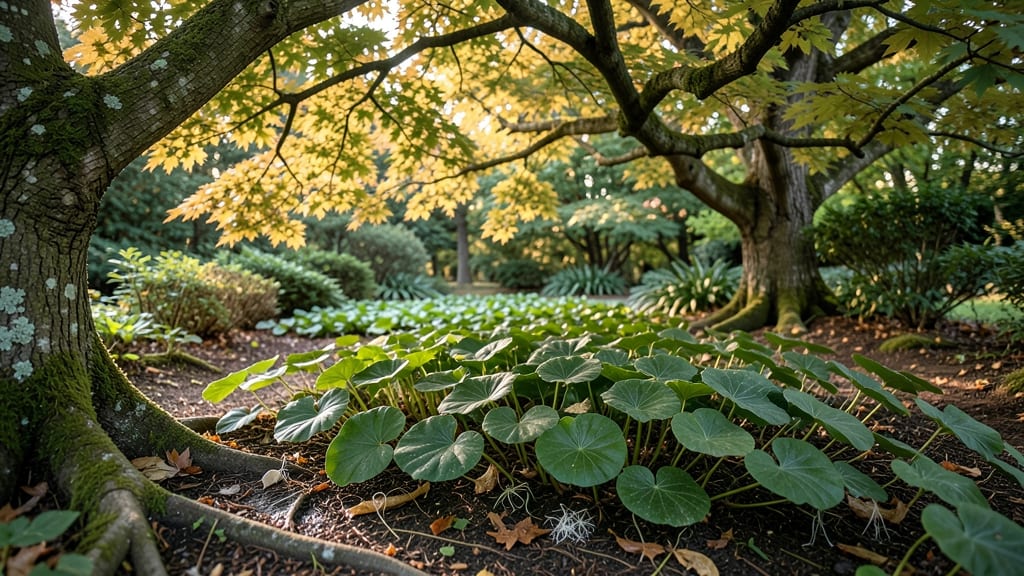
Maple trees create stunning shade gardens but can outcompete smaller plants. These 10 carefully selected companion plants thrive under maple canopies, attract pollinators, and enhance your landscape's beauty while supporting ecosystem health.
Hostas for Textured Shade Ground Cover
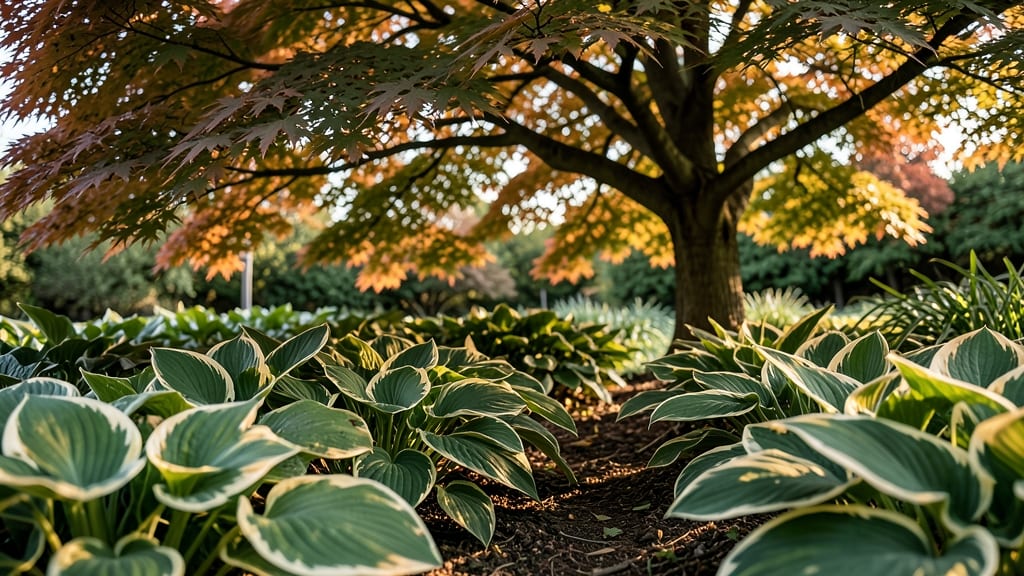
Tired of bare soil under your maple tree? Hostas transform dappled shade into a lush, textured carpet that thrives where most plants struggle. Their broad, variegated leaves create visual interest while outcompeting weeds naturally with their dense foliage.
Plant hostas in well-draining soil mixed with compost, and water regularly until established—after that, they're drought-tolerant once rooted. The key is choosing shade-tolerant varieties like 'Francee' or 'Blue Angel' that handle maple leaf litter beautifully. Mulch with shredded leaves to protect roots and retain moisture.
Perfect for beginners or busy gardeners, hostas require minimal care while providing year-round interest. Their layered look softens maple's towering presence, creating a serene woodland garden vibe with almost no effort. 🌿
Foxgloves to Attract Hummingbirds
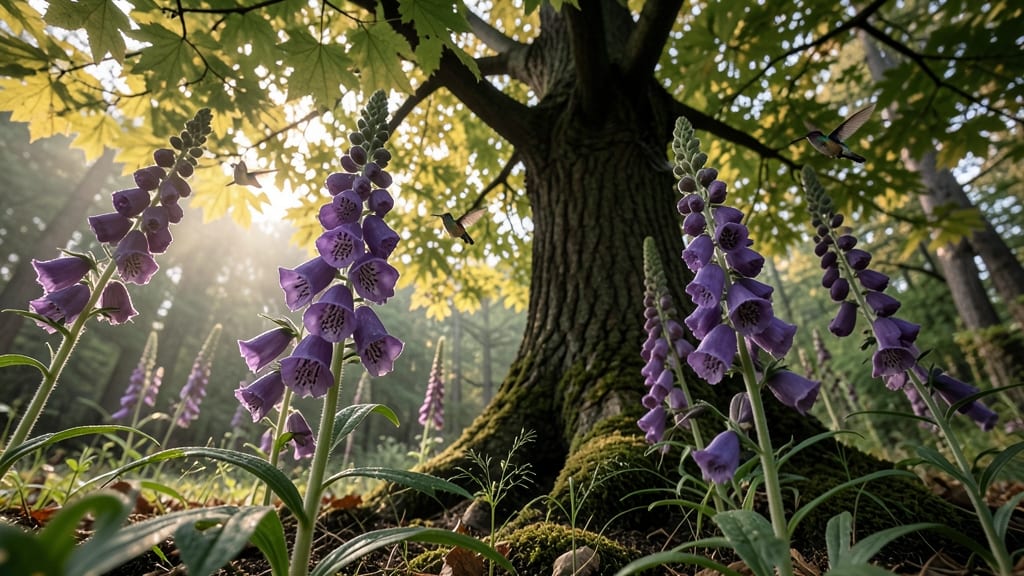
Tired of shade gardens that feel flat and forgettable? Foxgloves bring drama and life to your maple underplantings with their towering bell-shaped blooms that hummingbirds can't resist. These biennials grow best in partial shade, making them perfect partners for maple's dappled canopy.
Plant seeds in early spring or fall, spacing them 12-18 inches apart for those striking 3-5 foot spikes of purple, pink, or white flowers. Deadhead spent blooms to encourage a second flush, and watch as hummingbirds hover eagerly around your garden. Foxgloves also self-seed reliably, creating natural drifts over time.
This is the ideal choice for gardeners who want vertical interest without sacrificing shade tolerance. Plus, their late-summer blooms provide nectar when many other shade plants have finished flowering. 🌟
Ferns for Moisture-Loving Elegance
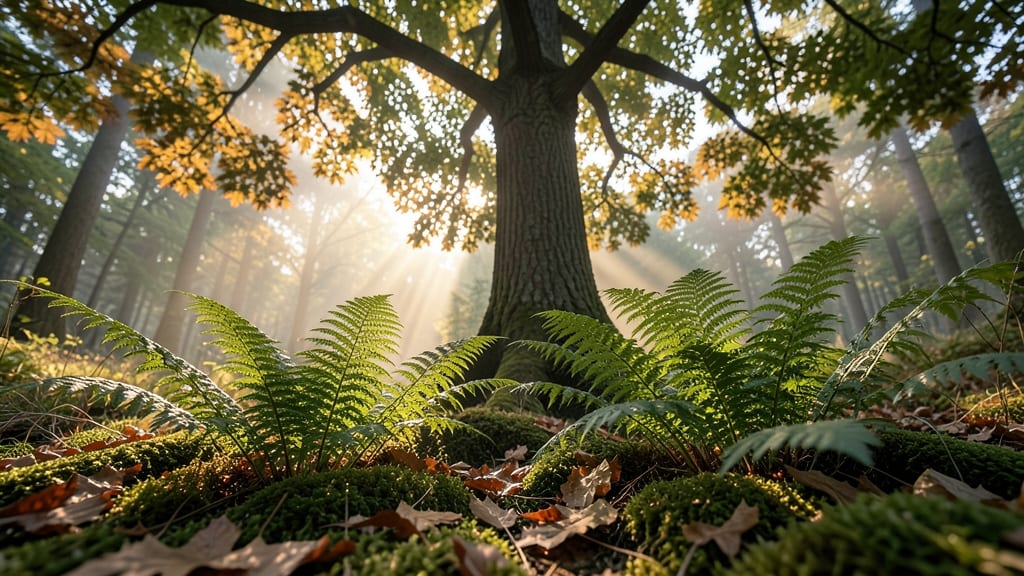
Transform your maple tree’s understory into a lush woodland retreat with native ferns—their delicate fronds thrive where other plants struggle. These moisture-loving plants naturally sync with maple roots’ consistent dampness, creating an effortless, low-maintenance shade garden that feels straight out of a fairy tale.
Start with maidenhair fern for its lace-like fronds that cascade gracefully, or choose ostrich fern for bold, arching foliage that adds vertical drama. Both prefer partial to full shade and moist, well-draining soil—just like the conditions maple trees create. For best results, mulch with leaf litter to retain moisture and suppress weeds, while avoiding heavy foot traffic to protect their fragile fronds.
These ferns are ideal for gardeners who love textural contrast and want to support pollinators with their lush habitats. They’re especially perfect for beginners or those with limited time, as they require minimal care once established. 🌿
Bleeding Hearts for Seasonal Color
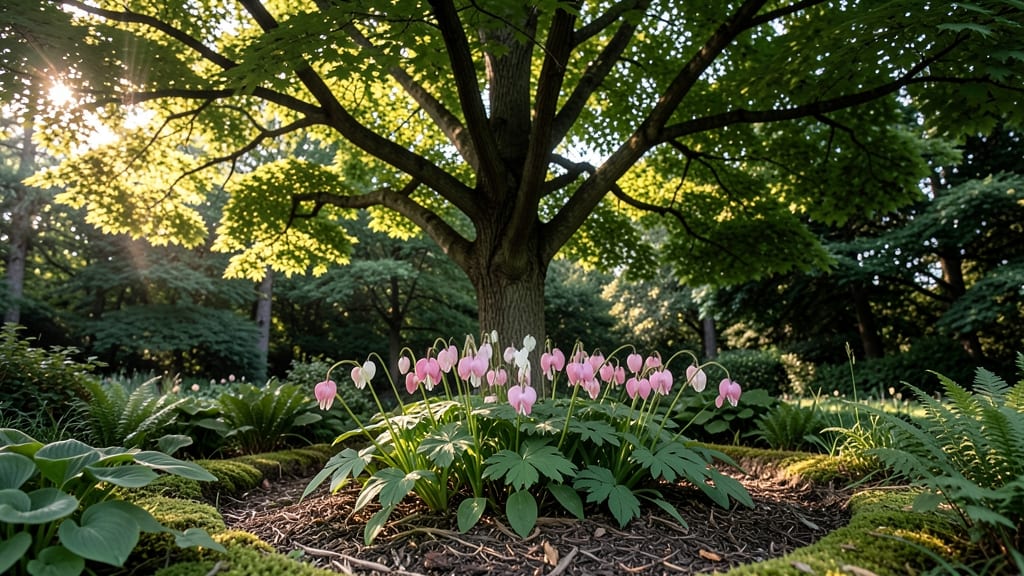
Looking for a romantic and low-maintenance way to brighten your maple tree's understory? Bleeding hearts (Dicentra spectabilis) deliver seasonal drama with their iconic heart-shaped blooms in spring, followed by lacy foliage that lasts through summer. These shade-loving perennials thrive exactly where maple leaves create dappled light—no harsh afternoon sun required.
Plant them in well-draining, moist soil enriched with organic matter, and space clumps 18-24 inches apart for full, cascading effect. While they prefer consistent moisture, they'll tolerate some dryness once established. For extended blooms, deadhead spent flowers and mulch with leaf litter (which maples provide in abundance!). Varieties like 'Alba' (white flowers) or 'Valentine' (deep pink) add contrasting colors to autumn maple foliage.
Perfect for beginners or gardeners seeking effortless elegance, bleeding hearts create a vertical focal point that draws the eye upward through the maple canopy—ideal for small gardens or woodland edges. 🌷
Japanese Anemones for Late-Season Bloom
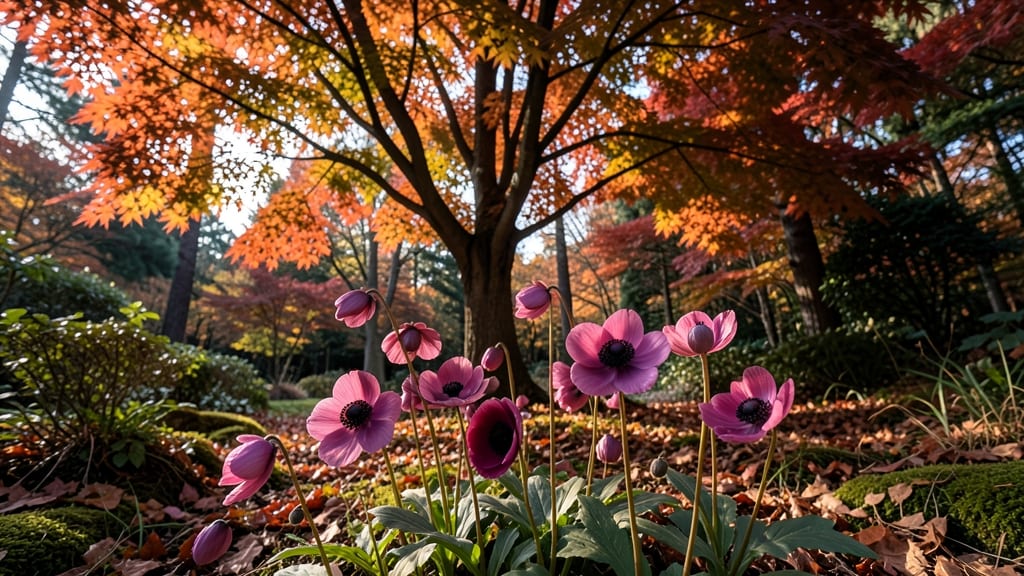
When your maple tree's leaves begin their fiery autumn transformation, Japanese anemones burst into bloom with dramatic pink flowers that steal the show. Unlike most shade plants that fade by late summer, these perennials deliver a stunning second act when your garden needs it most.
Plant Japanese anemones in partial shade where they'll receive at least 3-4 hours of sunlight daily, ideally near your maple's dappled light zones. Their 3-4 foot height creates vertical interest that contrasts beautifully with maple's horizontal branches. Deadhead spent blooms in early fall to encourage a second flush of flowers, and mulch with 3-4 inches of organic matter to protect their shallow roots from winter chill.
These pollinator favorites are perfect for gardeners who want extended seasonal color with minimal effort. The pink blooms pair perfectly with autumn maple foliage, creating a showstopping contrast that lasts well into October. 🌻
Heuchera for Colorful Foliage Year-Round
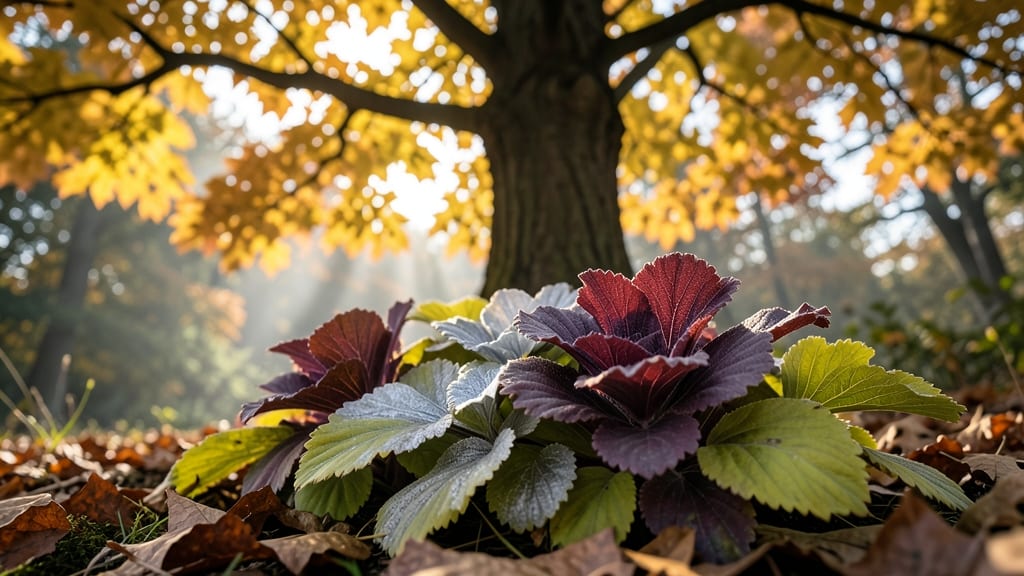
If you love a garden that stays vibrant even when maple leaves turn golden, Heuchera (coral bells) is your secret weapon. This shade-loving perennial delivers year-round color in shades of purple, silver, or chartreuse—perfect for brightening the dappled light beneath your maple canopy.
Heuchera thrives in partial shade and tolerates dry soil once established, making it ideal for maple's root competition. Choose compact varieties like 'Palace Purple' for deep burgundy foliage or 'Lime Rickey' for a zesty chartreuse pop. Plant in clusters for maximum impact, and enjoy their textured leaves that contrast beautifully with maple's seasonal changes.
Urban gardeners and beginners will appreciate how low-maintenance Heuchera is—just water occasionally and watch it flourish. It's the perfect way to add color without the fuss. 💚
Astilbe for Feathery Pollinator Magnet
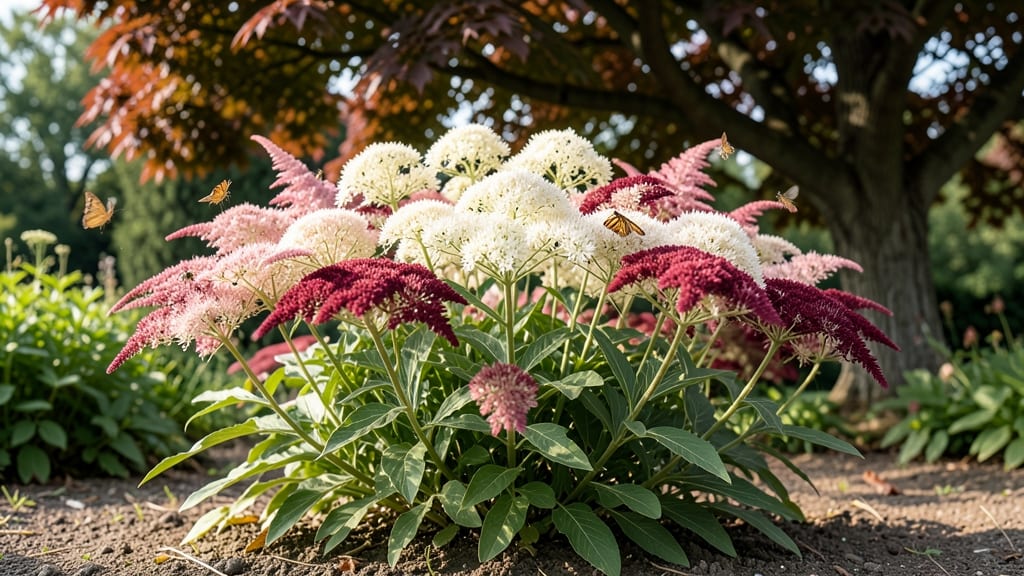
Looking for a pollinator powerhouse that thrives in dry shade and adds movement to your maple underplantings? Astilbe delivers feathery plumes in soft pinks, whites, and reds that dance in the breeze while attracting butterflies and bees all season long.
This low-maintenance perennial tolerates dry shade conditions—perfect for maple's dappled light—while its upright growth (1-4 feet tall) creates soft vertical accents. Plant in well-draining soil and water occasionally; once established, it requires minimal care. Choose varieties like 'Fanal' for deep red or 'Bridal Veil' for pure white for maximum impact.
Urban gardeners and beginners will love astilbe's resilience and easy propagation—simply divide clumps every few years. It's the perfect way to add color and life to shady spots without the fuss. 🌟
Solomon's Seal for Structural Interest
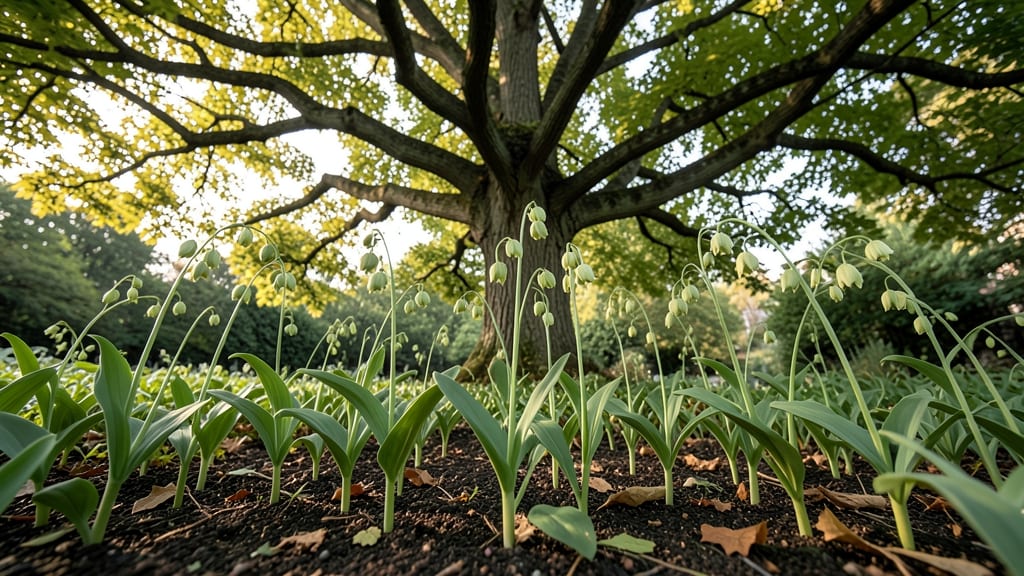
Looking for a plant that adds vertical drama while keeping maintenance low? Solomon's Seal (Polygonatum) is your answer—its graceful, arching stems create natural arches that pair perfectly with maple trees' horizontal branches.
This shade-tolerant perennial thrives in partial to full shade and produces delicate white flowers followed by edible blue berries. Its year-round interest comes from evergreen foliage in winter and fresh new growth in spring, making it a reliable choice for underplanting. Plant in well-draining soil and water moderately—it’s drought-tolerant once established.
Perfect for gardeners who want low-maintenance structure without sacrificing beauty, Solomon's Seal is especially valuable in woodland gardens or as a focal point beneath maple trees. 🌱
Lungwort for Medicinal Beauty
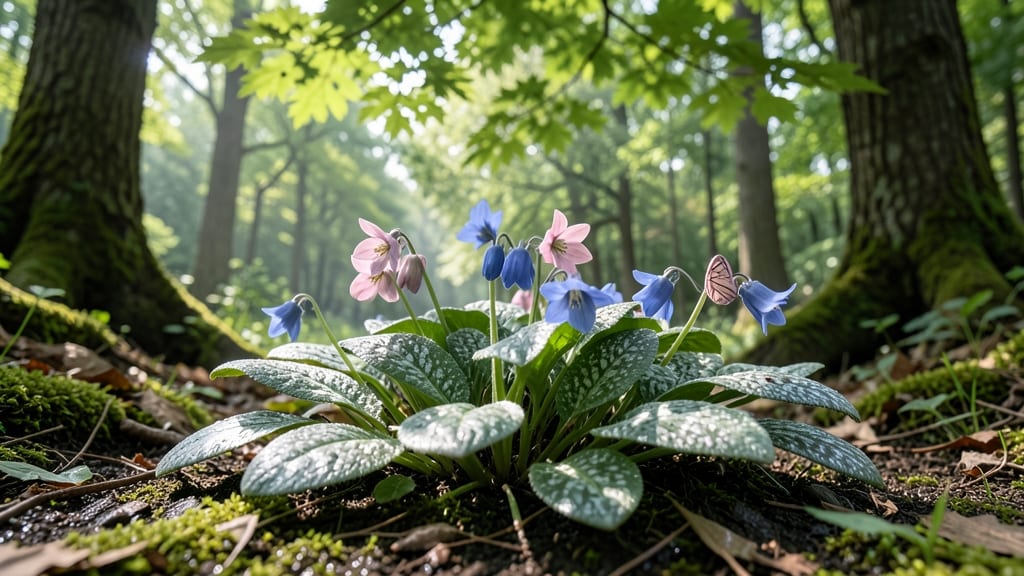
Looking for a pollinator-friendly perennial that doubles as a living medicine cabinet? Lungwort (Pulmonaria) thrives in the same moist, shaded spots where maple trees cast dappled light—making it the perfect understory companion.
This medicinal beauty features striking silver-spotted leaves (said to resemble diseased lungs, hence its name) and early spring blooms in soft blue or pink that bees adore. Unlike many shade plants, lungwort handles occasional dry spells once established and spreads slowly via creeping rhizomes, creating a lush carpet without taking over. Its year-round interest makes it a standout for woodland gardens.
Perfect for gardeners who love low-maintenance perennials with dual purpose—both beauty and ecological benefits. Add it to borders or containers for a touch of woodland charm. 🌿
Wild Ginger for Fragrant Ground Cover

Looking for a low-maintenance ground cover that adds fragrance and beauty to your maple-shaded garden? Wild ginger (Asarum canadense) is your perfect solution—its slow-spreading habit means no aggressive takeover while its aromatic leaves naturally repel pests like slugs and deer.
This native perennial thrives in the dappled shade of maple trees, tolerating both dry and moist soil conditions once established. The heart-shaped leaves create a lush, carpet-like appearance that contrasts beautifully with maple's towering stature, while the subtle spicy scent enhances your sensory garden experience.
Wild ginger is ideal for gardeners seeking native plants that support local ecosystems while requiring minimal care. Plant it in early spring for a living mulch that stays green year-round under your maple's canopy. 💚