
Pruning
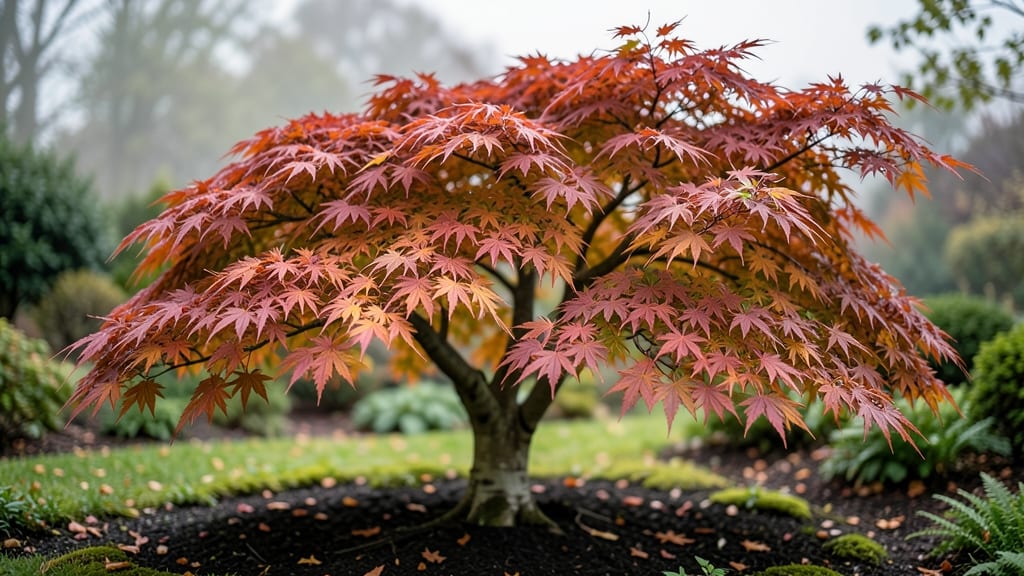
The Japanese maple’s foliage transforms your garden into a living watercolor. 🌿 From vibrant reds in spring to fiery oranges in autumn, these trees offer seasonal color shifts that outshine any artificial display. I’ve seen them turn deep burgundy one week and blush pink the next—nature’s own mood ring.
Pairing them with silver foliage plants or creamy white blooms makes their colors pop even more. A single blood-red ‘Bloodgood’ can anchor a Japanese garden, while a delicate green ‘Shishigashira’ adds softness to a modern landscape. The key is sunlight—too much scorches the leaves, but too little dulls their brilliance.
With the right pruning, you’ll encourage lush, colorful growth year after year. Trim in late winter to open the canopy, and watch as new leaves emerge in shockingly bright hues. Even in small spaces, their graceful branches bring drama and depth.
For autumn displays, plant them near golden conifers or fiery shrubs like cotoneaster. Their fall colors will steal the show—just don’t forget to mulch well for winter protection. This is how you turn a single tree into a garden’s centerpiece.
📚 In This Guide
- What you need
- Instructions
- Tips and common mistakes
- Wrapping up and next steps
What you need
- ● Pruning shears: Bypass pruners (sharp, 5-8 inch blades) for small branches.
- ● Loppers: 1 pair (for branches ½–2 inches thick).
- ● Pruning saw: 1 (for thicker branches, 2+ inches).
- ● Disinfectant: 70% isopropyl alcohol or pruning sealant (to prevent disease).
- ● Gloves: Heavy-duty gardening gloves (cut-resistant for safety).
- ○ Extension pole: 6–10 ft (for high branches, optional but helpful).
- ● Bucket or bag: For collecting pruned branches (5-gallon capacity).
- ● Water & cloth: For cleaning tools post-pruning.
- ● Camera or smartphone: With a macro lens for close-up foliage shots.
- ● Color chart: For comparing seasonal shades (red, orange, purple, gold).
- ● Mulch: Organic (shredded bark) to protect roots and retain moisture.
- ● Stakes & ties: For supporting young or newly pruned branches.
- ● Fertilizer: Slow-release, balanced (10-10-10) for vibrant growth.
How to select and care for Japanese maple trees for stunning seasonal colors
Japanese maples deliver foliage magic year-round—here’s how to choose and nurture them for vibrant colors in every season.
🌿 Step 1: Choose the Right Variety for Your Climate and Color Goals
Japanese maples come in shades from deep burgundy to bright green, and some even change dramatically with the seasons. If you want fiery fall colors, look for varieties like 'Bloodgood' or 'Emperor I'—their leaves turn brilliant red and orange. For year-round burgundy, 'Black Lace' is unbeatable. Check your hardiness zone (most Japanese maples thrive in zones 5-8) and match it with the variety’s cold tolerance.
Here's the thing—some maples prefer full sun for deeper colors, while others, like 'Shishigashira' (a weeping variety), do better in partial shade. I always check the light requirements before buying. A sunny spot will intensify reds and oranges, while partial shade brings out softer greens and purples. Plant in well-draining soil to prevent root rot, which can dull foliage colors.
☀️ Step 2: Plant in the Ideal Location for Maximum Color Impact
Position your Japanese maple where it gets at least 4-6 hours of sunlight daily, but avoid harsh afternoon sun in hot climates—it can scorch delicate leaves. I like to place mine where they get morning sun and afternoon shade, especially in summer. This balances color vibrancy with leaf health. Dig a hole twice as wide as the root ball but no deeper to encourage outward root growth.
Amend the native soil with 2-3 inches of organic compost mixed into the bottom of the hole. This improves drainage and provides nutrients for vibrant foliage. Water deeply right after planting to settle the soil and eliminate air pockets. You’ll know it’s right when the soil surface looks slightly damp but not soggy.
💧 Step 3: Water and Fertilize for Year-Round Vibrancy
Japanese maples need consistent moisture but hate soggy roots. Water deeply once a week (or more in extreme heat) until the top 6 inches of soil feel moist. Mulch with 2-3 inches of wood chips or bark to retain moisture and protect roots from temperature swings. Avoid over-mulching—the stem should stay exposed to prevent rot.
Feed in early spring with a balanced, slow-release fertilizer (10-10-10 works well). I skip summer feeding—too much nitrogen can reduce fall color intensity. Watch for yellowing leaves, which often means overwatering or poor drainage. If you see this, let the soil dry out slightly between waterings.
✂️ Step 4: Prune Strategically to Enhance Color and Shape
Prune in late winter or early spring before new growth appears. Remove dead, crossing, or weak branches first—this keeps the tree healthy and open to sunlight, which is key for vibrant foliage. For weeping varieties, shape gently to maintain their graceful form. Never prune more than 25% of the canopy in one season, or you risk stressing the tree.
Here’s where it gets fun—thinning branches inside the canopy lets light penetrate and intensifies fall colors. I always step back and visualize how sunlight will hit the tree after pruning. Avoid heavy pruning in summer, as it can stimulate weak, less colorful growth before the cooler months.
🌱 Step 5: Protect and Maintain for Long-Term Color Brilliance
Japanese maples are sensitive to salt spray, so avoid planting near sidewalks or driveways where de-icing chemicals can damage leaves. In winter, protect young trees from harsh winds with a burlap windbreak if needed. Older trees usually handle winter well, but their colors will fade if exposed to drying winds.
Watch for pests like spider mites or scale, which can dull foliage. A strong jet of water or insecticidal soap usually does the trick. I inspect leaves monthly during growing season—early intervention keeps the tree’s colors bold and healthy. With proper care, your Japanese maple will reward you with seasonal foliage magic for decades.
Tips & tricks for perfect Japanese maple tree colors
Took me years to figure out how to coax the most vibrant colors from these stunning trees—here's what actually works.
Variety Matters: The difference between a lackluster maple and a showstopper often comes down to your initial selection. For maximum fall drama, 'Bloodgood' and 'Emperor I' are my top picks—their leaves transform into fiery reds and oranges that last weeks. If you prefer year-round burgundy, 'Black Lace' delivers that deep, rich color no matter the season. I always check the specific variety's light requirements before buying, as some like 'Shishigashira' actually prefer partial shade to maintain their delicate hues.
Sunlight Strategy: Those 4-6 hours of daily sunlight are non-negotiable for vibrant foliage, but timing matters just as much. Position your tree to receive morning sun and afternoon shade, especially in hot climates where intense afternoon rays can scorch leaves. I've seen maples planted in full afternoon sun develop brown patches by summer's end—don't make my mistake! The morning light boosts color intensity while protecting the leaves from midday heat stress.
Soil Secrets: The 2-3 inches of organic compost you mix into the planting hole isn't just about nutrients—it's about creating the perfect drainage environment. Japanese maples hate soggy roots, which can cause yellowing leaves and dull colors. I always test the soil's drainage by filling a hole with water and checking how quickly it drains. If it takes more than 30 minutes, I add extra compost or even a layer of gravel at the bottom to improve drainage.
Pruning Precision: When you're pruning in late winter, focus on removing only dead, crossing, or weak branches first—this opens up the canopy to let light penetrate deeper. I've found that thinning just 10-15% of the inner branches can dramatically intensify fall colors by allowing more sunlight to reach the inner foliage. And here's a pro tip: always prune just above a leaf bud or branch junction—this ensures new growth will emerge in the right direction for maximum color impact.
Pro Tips for Japanese Maple Tree Colors
- Took me years to figure out how to coax the most vibrant colors from these stunning trees—here's what actually works.
- Variety Matters: The difference between a lackluster maple and a showstopper often comes down to your initial selection.
- Sunlight Strategy: Those 4-6 hours of daily sunlight are non-negotiable for vibrant foliage, but timing matters just as much.
Frequently asked questions
When do Japanese maples show their most vibrant colors?
Japanese maples typically peak in fall colors between mid-October and November, depending on your climate zone. Cooler nights and crisp air trigger the best shades—reds, oranges, and purples. In warmer regions, colors may appear earlier, while colder zones might delay the show until late fall. Learn how to extend the display with proper care.
Why are my Japanese maple leaves turning brown instead of their usual colors?
Brown leaves instead of vibrant hues often signal stress from overwatering, drought, or nutrient deficiency. Check soil moisture (it should be evenly damp but not soggy) and ensure the tree gets 6+ hours of sunlight. Yellowing leaves may indicate iron deficiency—try applying chelated iron or adjusting soil pH. Pro tip: Mulch well to retain moisture and nutrients!
Can I prune a Japanese maple to enhance its fall colors?
Yes! Prune in late winter or early spring to shape the tree and encourage dense foliage, which boosts color intensity. Avoid heavy pruning in fall—it stresses the tree when it’s already working hard to produce vibrant leaves. Focus on removing dead or crossing branches and thinning out crowded areas for better airflow and light penetration.
Are there Japanese maple varieties with year-round color?
While most Japanese maples are fall superstars, some varieties offer multi-season interest. For example:
- 'Bloodgood' – Deep red leaves year-round, with even more intensity in fall.
- 'Emperor I' – Purple-black foliage that glows in winter.
- 'Shishigashira' – Bright green summer leaves turning crimson in fall.
How do I protect my Japanese maple from harsh winters?
Japanese maples are hardy but sensitive to winter damage. In zones 5-7, wrap the trunk with burlap or tree guard to prevent sunscald. Mulch heavily (3–4 inches) to insulate roots. Avoid salty de-icers near the tree, and water sparingly in late fall to prevent root rot. Pro tip: Young trees benefit from a light frost cloth during extreme cold snaps!
Wrapping up and next steps
The Japanese maple tree’s seasonal foliage magic—from vibrant greens to fiery reds, deep purples, and golden hues—is a testament to nature’s artistry. 🌿 Whether you’re a gardener admiring its beauty or a pruning enthusiast eager to nurture its growth, these trees offer year-round inspiration.
Now that you’re equipped with the knowledge to care for them, why not plant one in your garden or share these tips with fellow plant lovers? Let your outdoor space bloom with color!