
Trees
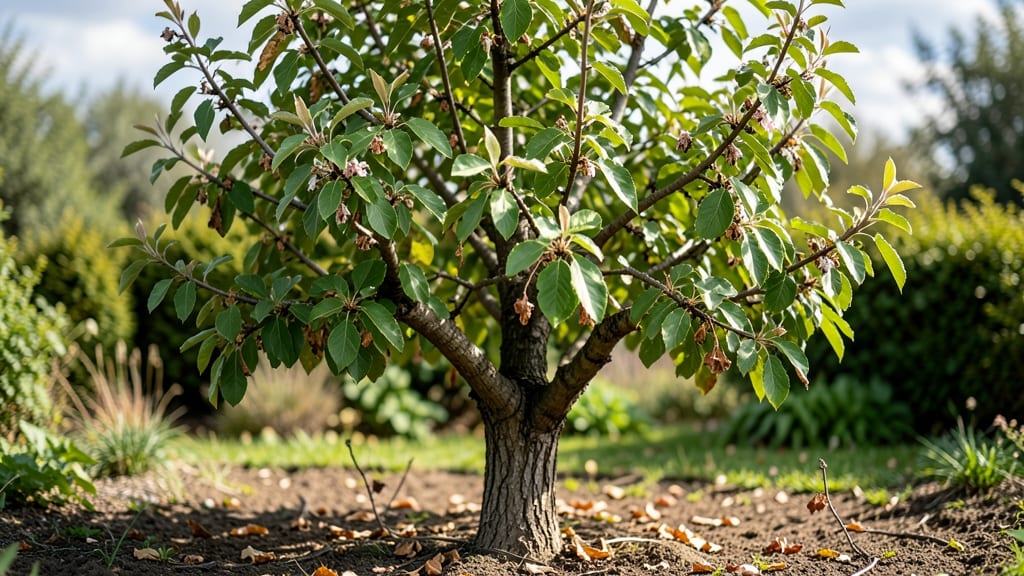
Your cherry tree’s brown leaves aren’t a death sentence—just a cry for help. 🌳 I’ve nursed back more than a few struggling trees, and the key is acting fast before the problem spreads. The good news?
Most cases fix with simple adjustments, whether it’s water, nutrients, or a little pruning love. First, rule out the obvious: drought or overwatering. Stick your finger in the soil—if it’s bone-dry or soggy, that’s your answer.
But if the soil feels just right, we’re looking at pests like spider mites, fungal diseases like leaf spot, or nutrient deficiencies (hello, yellowing between veins!). The fix depends on the cause, but every solution starts with a closer look at the leaves and soil.
By the end of these steps, you’ll see fresh green growth within weeks. I’ve seen trees rebound from near-bare branches to full, healthy canopies—it’s all about catching it early and giving your tree exactly what it needs. Let’s diagnose and revive yours.
Here’s the game-changer: 90% of brown leaves fix with 3 simple checks—watering habits, pest presence, and soil health. Start by examining the leaf edges: crispy and brown? Likely drought or heat stress.
Soft, mushy spots? Fungal infection or overwatering. Once you ID the issue, the fix is straightforward—whether it’s adjusting your watering schedule or applying a targeted treatment.
Prevention is where the real magic happens. Mulch your tree’s base with 2-3 inches of organic matter to lock in moisture and nutrients, and prune out dead branches in early spring.
A balanced fertilizer in late winter gives your tree a head start, while monitoring for pests (like aphids or scale) keeps them from moving in. Your tree will thank you with vibrant foliage all season.
Understanding Leaf Discoloration Causes
When your cherry tree’s leaves turn brown, it’s often a cry for help—whether from environmental stress, pests, or disease. Let’s break down the most common reasons behind this issue, so you can diagnose the problem and take action.
---
Brown leaves on a cherry tree can stem from environmental conditions that push the tree beyond its comfort zone. Here’s what’s likely happening:
- Drought or Overwatering Cherry trees thrive in well-drained soil, but too little or too much water can cause stress. Drought stress leads to wilting and browning as the tree struggles to absorb moisture, while overwatering suffocates roots by depriving them of oxygen, causing leaves to turn yellow or brown. Actionable fix: Water deeply but infrequently—about 1-2 inches per week, depending on climate—while ensuring soil drains well.
- Temperature Extremes Cherry trees are sensitive to sudden temperature shifts, especially late spring frosts or summer heatwaves. Cold snaps can scorch new leaves, while intense heat dries them out. Actionable fix: Mulch around the base to regulate soil temperature and provide shade during extreme heat.
- Wind or Physical Damage Strong winds or hail can tear leaves, exposing them to bacteria or fungi, which accelerates browning. Actionable fix: Prune damaged branches and consider windbreaks if your tree is in an exposed area.
---
Uninvited critters can wreak havoc on your cherry tree, causing leaves to brown prematurely. Here’s who to watch for:
- Spider Mites These tiny pests suck sap from leaves, causing stippling (tiny yellow or brown dots) that eventually turns entire leaves brown. Actionable fix: Spray leaves with a strong jet of water to dislodge mites, or use insecticidal soap if infestations persist.
- Japanese Beetles These metallic-green beetles chew on leaf edges, creating a "lace-like" appearance before leaves brown and fall. Actionable fix: Handpick beetles early in the morning or use neem oil as a natural repellent.
- Aphids or Scale Insects Clusters of these sap-sucking insects can weaken leaves, causing them to curl and brown. Actionable fix: Blast them off with water or apply horticultural oil to smother them.
---
Moisture-loving pathogens thrive in cherry trees, leading to unsightly brown spots or entire leaves turning crispy. Common culprits include:
- Leaf Spot Diseases (e.g., Anthracnose) Fungal spores spread in wet conditions, creating dark brown or black spots with yellow halos. Infected leaves may drop prematurely. Actionable fix: Prune and dispose of infected leaves, then apply a copper fungicide in early spring.
- Powdery Mildew This fungal infection coats leaves in a white, powdery film, which can turn brown and necrotic over time. Actionable fix: Improve airflow around the tree and spray with a baking soda solution (1 tsp baking soda + 1 quart water + a drop of dish soap).
- Bacterial Leaf Spot Angular brown spots with water-soaked edges indicate bacterial infection. Unlike fungal spots, these don’t have halos. Actionable fix: Remove infected leaves immediately and sterilize pruners with rubbing alcohol to prevent spread.
---
Even the hardiest cherry trees need the right nutrients to stay vibrant. Brown leaves can signal a lack of essential elements:
- Iron or Chlorosis (Yellowing Between Veins) Brown or yellow leaves with green veins often indicate iron deficiency, common in alkaline soils. Actionable fix: Test your soil’s pH and amend with iron sulfate or chelated iron if levels are low.
- Magnesium or Potassium Deficiency Brown edges or tips on older leaves may point to a magnesium deficiency, while weak, brown patches suggest potassium issues. Actionable fix: Apply Epsom salt (for magnesium) or a balanced fertilizer (like 10-10-10) in early spring.
- Nitrogen Starvation Pale green or brown leaves with slow growth? Your tree might need nitrogen. Actionable fix: Use a slow-release nitrogen fertilizer or compost to boost soil health.
--- Pro Tip: 💡 Before treating, confirm the cause by examining leaves up close—look for spots, holes, or unusual textures. A soil test can also reveal hidden nutritional gaps!
Revive Your Tree’s Health Today
Watching your cherry tree’s leaves turn brown can feel like a slow-motion disaster, but don’t panic—most issues have simple fixes. Below, we’ve mapped the most common causes of brown leaves to step-by-step solutions, plus prevention tips to keep your tree thriving.
Think of this as your cherry tree’s emergency first aid kit! 🚑🌿
If your cherry tree’s soil stays soggy or waterlogged, roots suffocate, leading to brown, wilted leaves. Here’s how to drain the damage:
#### 🔥 Step 1: Check the SoilStick your finger 2–3 inches into the soil. If it feels damp or muddy, overwatering is the culprit. Cherry trees prefer well-draining soil—clay or compacted ground traps moisture.
#### 🍳 Step 2: Improve Drainage- Amend the soil: Mix in 2–3 inches of organic matter like compost, sand, or perlite to loosen heavy soil.
- Raise the tree: If planting in a container, add a layer of gravel at the bottom. For in-ground trees, consider a small berm (mound of soil) around the base to encourage runoff.
- Avoid mulch volcanoes: Keep mulch 2–3 inches away from the trunk to prevent moisture buildup.
Let the top 1–2 inches of soil dry out between waterings. Deep watering (slowly, 1–2 times per week) is better than frequent shallow drinks. Use a moisture meter if you’re unsure!
#### 💡 Pro Tip:Install a French drain or soaker hose on a timer to regulate water flow—especially useful for clay-heavy soils. 🌡️
Brown, crispy leaves at the edges? Your cherry tree might be thirsty. Drought stress is reversible with these moves:
#### 🔥 Step 1: Water Deeply and SlowlyGive your tree a slow, deep drink—about 10–15 gallons for mature trees—once a week. Use a hose with a gentle spray or soaker hose to avoid runoff.
#### 🍳 Step 2: Mulch Like a Pro- Spread 2–4 inches of organic mulch (wood chips, straw) around the base, keeping it away from the trunk.
- Mulch retains moisture and regulates soil temperature—critical in hot summers.
Within 1–2 weeks, new leaves should appear green. If not, check for other issues (like pests) and repeat watering.
#### 💡 Pro Tip:Group young cherry trees together to create a microclimate that retains moisture. 🎯
Brown spots, holes, or sticky residue? Pests (like spider mites, aphids, or borers) or fungal diseases (like powdery mildew or leaf spot) could be the villains. Act fast!
#### 🔥 Step 1: Identify the ProblemSnap a photo and compare it to these clues:
- Yellow-brown stippling: Spider mites or aphids.
- Black sooty mold: Sap-sucking insects (like scale) leave sticky residue.
- Brown spots with yellow halos: Fungal disease (e.g., anthracnose).
- Dying branches with sawdust-like frass: Borers.
| Problem | Solution |
|---|---|
| Spider mites/Aphids | Spray with neem oil or insecticidal soap. Repeat every 5–7 days. |
| Fungal disease | Apply copper fungicide or baking soda spray (1 tsp baking soda + 1 quart water + a drop of dish soap). Prune infected leaves. |
| Borers | Inject systemic insecticide (like imidacloprid) into the trunk. Call an arborist for severe infestations. |
- Keep your tree stressed-free (proper watering, mulching).
- Prune regularly to improve airflow.
- Clean up fallen leaves to reduce fungal spores.
Release beneficial insects like ladybugs or lacewings—they’re nature’s pest control! ✨
Too much sun, wind, or extreme heat can scorch leaves. Shield your tree with these fixes:
#### 🔥 Step 1: Provide Shade (Temporarily)If your tree is in a hot, exposed spot, set up a shade cloth (30–50% coverage) during peak sun hours (10 AM–4 PM). Remove it after a few weeks to avoid weakening the tree.
#### 🍳 Step 2: Protect from WindYoung or newly planted cherry trees need shelter. Use a tree guard or temporary windbreak (like a bamboo fence) to block harsh gusts.
#### 👨🍳 Step 3: Water StrategicallyWater early in the morning to reduce evaporation. Avoid overhead sprinklers that leave leaves damp (inviting fungal issues).
#### 💡 Pro Tip:Plant windbreak shrubs (like arborvitae) around your cherry tree for long-term protection. 🌡️
Most brown leaves are reversible with the right care! Start with the cause that matches your tree’s symptoms, and watch it bounce back to vibrant green in no time. 🌟
Frequently asked questions
Why are my cherry tree leaves turning brown in patches rather than all at once?
Patchy browning often signals a localized issue like fungal diseases (e.g., leaf spot or powdery mildew) or pest infestations (such as spider mites). Check for dark spots with yellow halos or webbing between leaves. The solution? Prune infected areas immediately and apply copper fungicide or neem oil to stop the spread.
Can I save my cherry tree if half the leaves are already brown and crispy?
Yes! Even severely affected trees can recover if you act fast. Focus on fixing the root cause (water, pests, or disease) and prune the worst branches. New growth will emerge within 4-6 weeks if the tree’s core is healthy. For extreme cases, a soil test can reveal hidden nutrient deficiencies.
Is it safe to use household vinegar as a fungicide for cherry tree leaf diseases?
Not recommended. Vinegar’s high acidity can burn leaves and harm beneficial soil microbes. Instead, mix 1 teaspoon baking soda + 1 quart water + a drop of dish soap for a gentle fungicide. Spray early in the morning on dry leaves for best results.
How often should I fertilize a cherry tree with brown leaves caused by nutrient deficiency?
Start with a balanced fertilizer (10-10-10) in early spring, then apply again in late summer. For specific deficiencies: Use Epsom salt (magnesium) monthly during growing season, or chelated iron for chlorosis. Always water thoroughly after fertilizing.
Can brown cherry tree leaves be a sign of too much sun exposure?
Leaves scorch in intense sunlight, especially after sudden heatwaves. Provide temporary shade with 50% shade cloth during peak afternoon sun (2-5 PM). Gradually acclimate the tree by reducing shade coverage over 2-3 weeks to avoid shock.