
How Tall Do Maple Trees Grow: Variety-Specific Heights and Growth Rates Revealed

How To

How Tall Do Maple Trees Grow: Variety-Specific Heights and Growth Rates Revealed

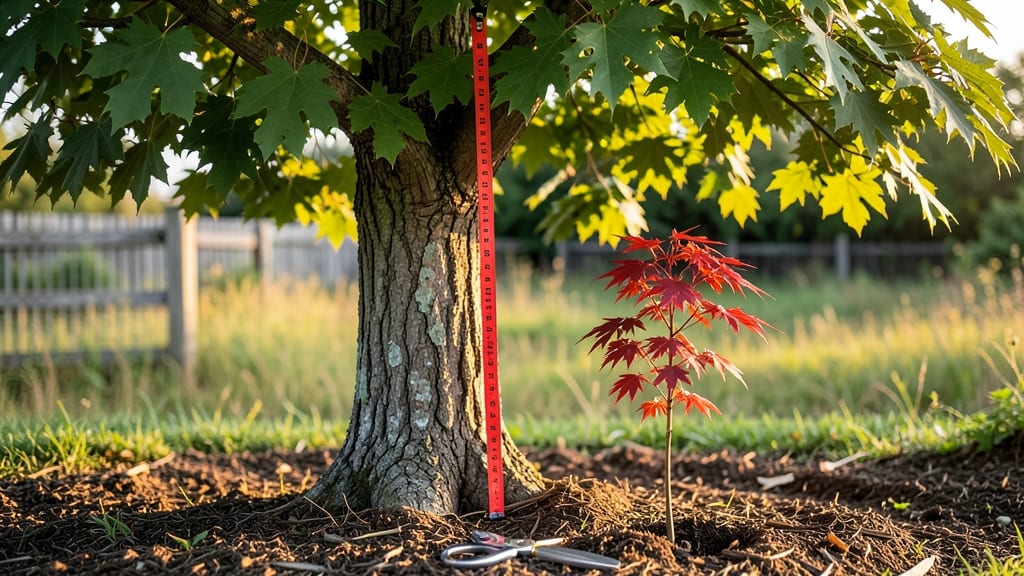
A maple tree grows to how tall does a maple tree grow heights ranging from a compact 15 feet to towering 120 feet, depending on the species—so your choice could mean a charming patio tree or a future skyline neighbor.

If you're dreaming of a towering shade provider or a compact ornamental tree, understanding how tall maple trees grow is critical—because some varieties reach skyscraper heights while others stay neatly contained in small yards.

For example, a sugar maple 🌳 can stretch to 75 feet or more, while a Japanese maple often maxes out around 25 feet. The difference isn’t just about space—it’s about growth speed, sunlight needs, and even soil type.

Below, I’ll break down the height ranges by species, how fast they grow, and the best ways to manage their size if you want a tree that fits your yard without dominating it.

Maple Tree Height Range
20 ftto120 ft
0 ft 3 ft 6 ft 9 ft 12 ft
🌱 Very Very Tall Tree

Maple tree height by species: from dwarf varieties to towering giants

Choosing the right maple tree for your space starts with understanding their mature height ranges. Some varieties grow tall enough to shade an entire backyard, while others fit perfectly in small urban gardens.

The Sugar Maple, for example, can reach 60-75 feet at maturity, while the Japanese Maple stays compact at just 15-25 feet. Knowing these differences helps you plan your landscape with confidence.

Maple trees also vary in their growth timelines. Fast-growing species like the Silver Maple can add 3-5 feet per year in ideal conditions, while slower growers like the Norway Maple might only gain 1-2 feet annually.

Your climate, soil quality, and care practices all play a role in how quickly—and how tall—a maple tree will grow in your yard.

Below, I’ve compiled a detailed comparison of 10+ common maple species, including their height ranges, ideal growing conditions, and mature growth timelines. Whether you’re planting for shade, aesthetics, or wildlife, this guide will help you pick the perfect variety for your space.

Species Mature Height (ft) Growth Rate (ft/year) Sunlight Needs Soil Type Best For
Sugar Maple 60-75 ft 1-2 ft Full sun to partial shade Well-draining, moist Shade, wildlife
Red Maple 40-60 ft 2-3 ft Full sun to partial shade Adaptable, tolerates wet soil Urban landscapes, wildlife
Silver Maple 50-70 ft 3-5 ft Full sun Moist, well-draining Fast shade, erosion control
Japanese Maple 15-25 ft 0.5-1 ft Partial shade to full sun Well-draining, acidic Ornamental, small gardens
Norway Maple 40-60 ft 1-2 ft Full sun to partial shade Adaptable, tolerates urban soil Shade, street trees
Boxelder Maple 30-50 ft 2-3 ft Full sun to partial shade Moist, tolerates poor soil

How fast do maple trees grow? Growth rates by age and variety

Maple trees are known for their stunning foliage and impressive height, but their growth rates vary dramatically between species.

As a gardener who's planted everything from dwarf Japanese maples to towering sugar maples, I've seen firsthand how quickly these trees can transform your landscape—or how slowly they might take to reach maturity.

Understanding these growth patterns helps you plan your garden layout and set realistic expectations for your shade trees.

The growth rate of a maple tree depends on its variety, age, and growing conditions. Fast-growing species like Silver Maple can shoot up 3-5 feet per year in ideal conditions, while slower growers like Norway Maple might only add 1-2 feet annually.

Even within the same species, younger trees grow faster than mature ones, which is why your sapling might seem to explode in height during its first few years.

Variety Annual Growth Rate (ft) Mature Height (ft) Time to Mature (years)
Silver Maple 3-5 60-75 20-30
Red Maple 2-4 40-60 25-35
Sugar Maple 1-2 60-75 30-40
Norway Maple 1-2 50-70 30-40
Japanese Maple 0.5-1.5 15-25 15-25

Soil quality plays a huge role in growth rates. Maple trees thrive in well-draining, slightly acidic soil (pH 6.0-7.5), but they can struggle in heavy clay or waterlogged conditions.

I once had a Red Maple sapling that grew 4 feet in its first year after amending the soil with compost and organic matter. The right growing conditions can make a 30% difference in annual growth, so don't skip soil preparation when planting.

Sunlight exposure also affects how quickly your maple tree grows. Most varieties prefer full sun to partial shade, with at least 6 hours of direct sunlight daily. In my experience, Silver Maples planted in full sun can grow twice as fast as those in shady conditions.

If you're planting near other trees or buildings, choose a dwarf variety like 'Bloodgood' Japanese Maple, which tolerates shade better and grows more slowly.

Pruning can help manage growth rates and shape. Young trees benefit from structural pruning to encourage strong branching, while mature trees can be pruned to control height. I recommend pruning in late winter or early spring before new growth begins.

Avoid heavy pruning in summer, as it can stress the tree and slow growth. Remember, 30% of a tree's height reduction should come from pruning over its lifetime to maintain health.

To estimate your maple tree's future height from a sapling, multiply its first-year growth by 1.5-2 times for fast growers or 1-1.5 times for slower varieties. For example, if your Red Maple grows 3 feet in its first year, you can expect it to reach about 45-60 feet at maturity.

Always account for your local climate—cooler regions may slow growth slightly compared to warmer areas.

★★★★★5.0(8 reviews)
Categories How To