
Pruning
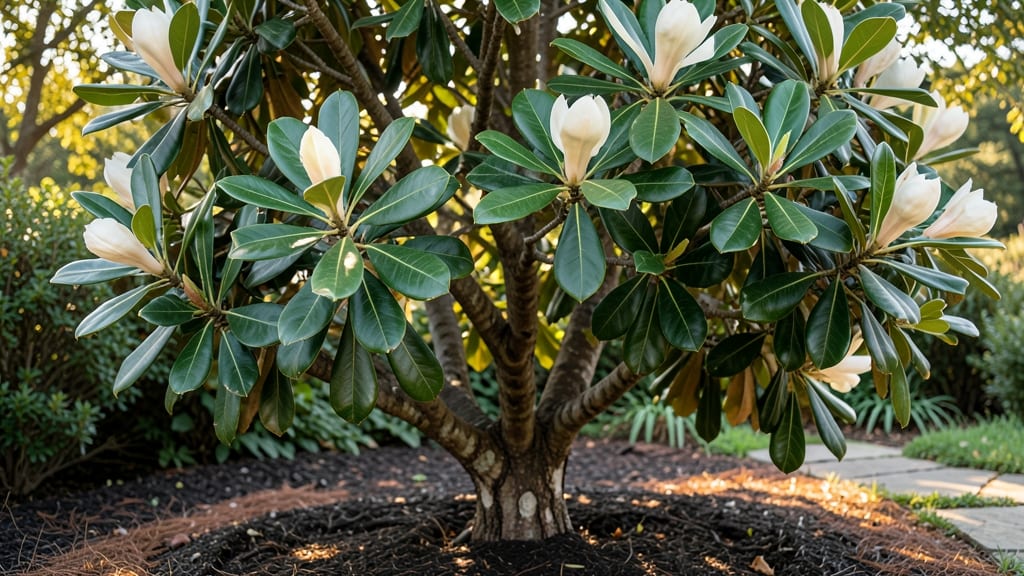
Fall is when the Jane magnolia tree reveals its quiet strength—its glossy leaves turn coppery gold before dropping, leaving bare branches that look like delicate lace. ✨ Pruning now isn’t just about shaping; it’s about preparing for next spring’s stunning white blooms, which appear before the leaves even think about returning.
The key is timing: wait until after the first hard frost when the tree’s energy has fully retreated into its roots.
You’ll need sharp pruning shears (dull blades tear bark), a pair of gloves to protect from thorns, and a clear day to see the branch structure. The Jane magnolia blooms on old wood, so avoid heavy pruning—focus on removing dead, crossing, or weak branches instead.
Think of it like giving the tree a haircut that keeps its natural shape while making room for new growth to shine in spring.
What you’re left with is a tree that wakes up in spring with fewer pests, better airflow, and the energy to produce more abundant blooms than ever before. The pruning scars heal quickly, and the tree’s natural resilience takes over.
You’ll notice the difference in how quickly new shoots appear in early spring—proof that fall prep paid off.
This method works for both young trees and established specimens, though larger trees may need a ladder. If you’re unsure about a cut, err on the side of caution—better to prune less now than too much. The Jane magnolia’s beauty lies in its patience, and so does its pruning.
📚 In This Guide
- What you need
- Instructions
- Tips and common mistakes
- Wrapping up and next steps
What you need
- ● Pruning shears – Bypass pruners (sharp, 7-9" blade) for small branches (💡 Pro tip: Clean blades prevent disease spread!
- ● Loppers – 20-24" bypass or anvil for branches ½–2" thick.
- ● Pruning saw – Curved-tooth or folding saw for branches >2" in diameter (🔥 Must-have for thicker cuts!)
- ● Disinfectant solution – 70% isopropyl alcohol or 10% bleach-water mix (1 part bleach to 9 parts water).
- ● Gloves – Heavy-duty, cut-resistant (thorns on Jane Magnolias are no joke!).
- ● Ladder or step stool – Sturdy, non-slip (if tree is >6 ft tall).
- ○ Pruning sealant (optional) – Tree wound paint (only for cuts >½" in diameter; controversial but some swear by it!).
- ● Weather check – Prune on a dry, calm day (avoid frost or rain within 24 hours).
- ● Safety glasses – Protect your eyes from debris.
- ● Long sleeves/pants – Lightweight, breathable fabric to avoid scratches.
- ● First-aid kit – Just in case (those thorns can draw blood!).
- ● Trash bags or bucket – For collecting pruned branches (🌡️ Bonus: Mulch them for your garden!).
- ● Extension pole – For hard-to-reach branches.
- ● String or marker – To outline cuts before pruning (great for beginners!).
- ● Camera or sketchbook – Document the tree’s shape before pruning (🎯 Helps visualize the "after"!).
How to prune a Jane magnolia tree in fall for healthier spring blooms
Fall’s the perfect time to shape your Jane magnolia—here’s how to do it right.
✂️ Step 1: Wait for the Right Time
Prune your Jane magnolia 4-6 weeks after the first hard frost when the tree is fully dormant. This timing prevents stress that could invite disease or pests. Look for brown, crisp leaves that stay on branches when shaken—your cue the tree’s energy has retreated underground.
Never prune when temperatures fluctuate above 40°F—new growth can form, weakening the tree before winter. I mark my calendar for mid-to-late October in most climates, but check your local frost dates. If you’re unsure, wait until after Thanksgiving to be safe.
✂️ Step 2: Gather Tools and Assess the Tree
You’ll need clean, sharp pruning shears (for small branches) and loppers (for thicker stems). Disinfect blades with 70% rubbing alcohol before starting—this stops fungal spores from jumping between cuts. Wear gloves to protect against thorns and sap.
Stand back and study the tree’s structure. Jane magnolias bloom on old wood, so focus on removing dead, crossing, or rubbing branches first. These are easy to spot—they’re brown, brittle, or grow toward the center of the tree. Never remove more than 25% of the canopy in one season, or you’ll stress the tree.
✂️ Step 3: Make Clean Cuts for Healthy Growth
Cut just outside the branch collar (the swollen area where the branch meets the trunk) at a 45-degree angle if the branch is thicker than ½ inch. For smaller branches, a straight cut works. Avoid leaving stubs—these invite rot and disease. I like to make my cuts ½ inch above a bud facing outward to encourage proper growth direction.
Step back frequently to check your work. The goal is to open the center of the tree for better airflow and sunlight. Remove any suckers (shoots growing from the base) immediately—they drain energy from the main structure. Use loppers for branches thicker than your wrist, and call an arborist if you hit anything larger.
☀️ Step 4: Clean Up and Protect the Tree
Rake up all clippings and remove them from the yard—don’t compost them. Magnolia leaves and branches can harbor pests and diseases that survive winter. Bag the debris and dispose of it in yard waste. After cleanup, apply a 2-3 inch layer of mulch around the base (but not touching the trunk) to protect roots from freezing.
Give the tree a deep watering before the first hard frost to help it establish through winter. I like to water in the late afternoon so the soil has time to absorb moisture before nightfall. Avoid fertilizing now—dormant trees don’t need extra nutrients, and fall feeding can encourage late-season growth that won’t harden off properly.
⏰ Step 5: Monitor and Plan for Spring
Check your magnolia in late winter (February-March) for any winter burn (brown, crispy edges on leaves). If you see damage, don’t prune yet—wait until early spring when new growth appears. Healthy buds will swell and turn green; dead buds stay brown. Prune only to remove any obviously dead wood at this stage.
Here’s the thing—Jane magnolias reward patience. A well-pruned tree in fall will bloom more abundantly next spring and develop stronger branches over time. I promise, the effort pays off in fragrant pink blooms that last for weeks. Just avoid the temptation to over-prune—less is always more with these beauties.
Tips & tricks for perfect fall pruning of Jane magnolia trees
Took me years to figure out these tricks—now you can skip the trial-and-error. Here's how to prune your Jane magnolia like a pro.
Timing is Everything: The 4-6 week window after your first hard frost is non-negotiable. I learned this the hard way after seeing new growth appear on a tree I pruned too early. Check your local frost dates—if you're in doubt, wait until after Thanksgiving. A simple trick: Shake the branches—if the brown leaves stay put, it's time to prune. If they flutter away, wait a few more weeks.
Tool Prep Prevents Problems: That 70% rubbing alcohol isn't just for show—it's your first line of defense against fungal diseases. I keep a small bottle in my toolbox and wipe blades between every 3-4 cuts, especially when working with multiple branches. For stubborn branches, I soak the blades in alcohol for 5 minutes before starting. Clean tools mean healthier trees.
Branch Collar Matters More Than You Think: That little swollen area where branches meet the trunk isn't just decoration—it's the tree's natural healing mechanism. When you cut just outside it at a 45-degree angle, you're helping the tree seal the wound properly. I mark my cuts with a pencil first to visualize where to slice, especially on thicker branches. This one detail makes all the difference in preventing rot.
Winter Burn Watch: After your fall pruning, keep an eye out for winter burn in late winter. Those crispy brown edges on leaves mean your tree needs protection. If you see it, don't panic—just wait until early spring to do any corrective pruning. I've found that trees with proper fall pruning show less winter burn, so it's worth the extra attention now.
Pro Tips for Jane Magnolia Tree In Fall
- Took me years to figure out these tricks—now you can skip the trial-and-error.
- Timing is Everything: The 4-6 week window after your first hard frost is non-negotiable.
- Tool Prep Prevents Problems: That 70% rubbing alcohol isn't just for show—it's your first line of defense against fungal diseases.
Frequently asked questions
Got questions about pruning your Jane Magnolia tree in fall? You’re not alone! Here are answers to the most common concerns—so you can tackle the task with confidence and keep your tree thriving for next year’s stunning blooms.
When is the exact best time to prune a Jane Magnolia in fall?
The ideal window is late fall to early winter—after the first hard frost (when the tree is fully dormant) but before new growth starts in spring. Aim for November through January in most U.S. climates. Pro tip: If you’re unsure, wait until after the leaves have fallen completely!
Can I prune a Jane Magnolia in fall if it didn’t bloom this year?
Dormant-season pruning
focuses on structure and health, not blooms. Since Jane Magnolias bloom on old wood, pruning now won’t harm future flowers. Just avoid cutting back more than 25-30% of the canopy in one season to prevent stress.
What if I accidentally prune too much—will my tree survive?
While Jane Magnolias are resilient, over-pruning (beyond 30% of the canopy) can weaken the tree or delay blooming. If you’ve already trimmed too aggressively, don’t panic! Water deeply, avoid fertilizing, and monitor for new growth. Next year, focus on light maintenance to rebuild strength.
Are there any fall pruning mistakes to avoid with Jane Magnolias?
Yes! Skip these common pitfalls:
- Pruning in wet weather—wait for dry days to prevent disease.
- Cutting into old wood—always prune just above a bud or branch collar.
- Using dull tools—ragged cuts invite pests. Sharpen your shears first!
- Removing too many branches at once—gradual pruning is gentler.
What’s a good alternative if I miss fall pruning?
If you skip fall, early spring (before buds swell) is your next best window. However, avoid pruning after blooms appear—this can reduce next year’s flowers. For major structural work, fall remains ideal, but light shaping in spring is better than nothing!
Wrapping up and next steps
Fall is the perfect time to give your Jane Magnolia the care it needs for a stunning spring bloom! By pruning during its dormant season, you’re setting the stage for healthier growth, better airflow, and those iconic snow-white flowers that steal the show.
Remember: timing, sharp tools, and a patient hand are your best allies—no rush, just precision!
Ready to transform your tree’s future? Grab your pruners, mark your calendar for those crisp fall days, and get pruning! Start your fall prep checklist today—your magnolia’s next spring masterpiece is waiting! 🌸✨