
Planting
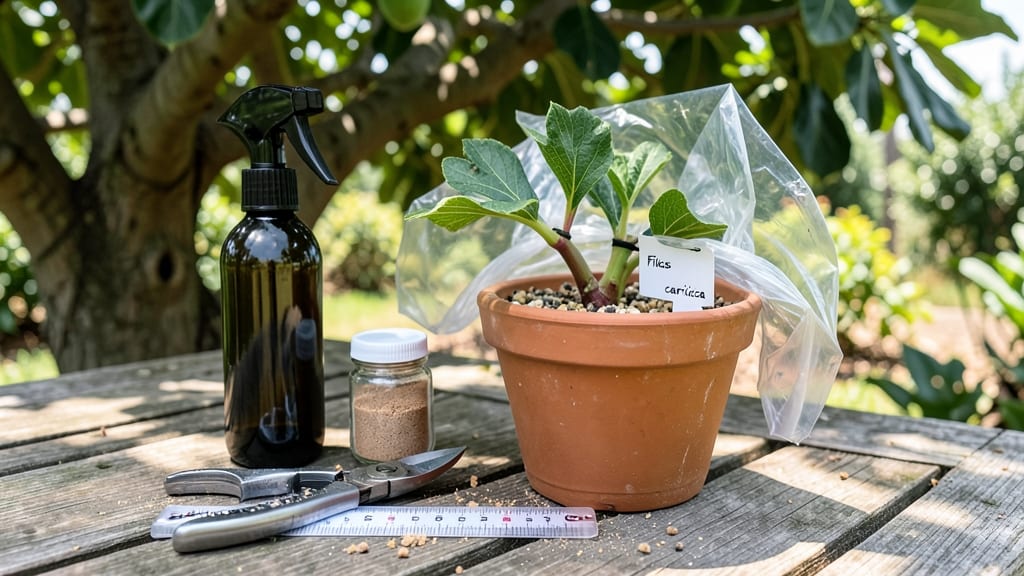
Planting a fig tree from a single fig is easier than you think—no nursery needed. 🌱 I’ve turned grocery-store figs into thriving trees with just a knife, patience, and a sunny windowsill.
The secret lies in choosing the right fig, making the perfect cut, and giving roots the ideal conditions to sprout. You’ll need one ripe fig, a sharp knife, water or potting mix, and a warm spot with bright light.
Skip the fancy tools—this method works with what you already have. The process takes about 4-6 weeks to see roots, but the reward is a tree that tastes sweeter than anything you’ve ever bought.
Once roots appear, transplant into soil and watch your cutting grow into a 3-foot tree in its first year. The best part? You’ll harvest figs from your own tree within 2-3 years, and the tree will outlive you.
This works for any fig variety—just avoid dried or overly soft ones. Let’s get growing!
📚 In This Guide
- What you need
- Instructions
- Tips and common mistakes
- Wrapping up and next steps
What you need
- ● 1 ripe fig – Choose a fresh, organic fig (no wax coating!) for best results. 🍇
- ● 1 small container or jar – A clean, shallow container (like a mason jar or small cup) to hold the fig and water.
- ● Water – Room-temperature water to keep the fig moist while it sprouts.
- ○ Rooting hormone (optional but helpful) – A small bottle of rooting gel or powder to encourage faster root growth.
- ● Well-draining potting soil – A 6-inch pot or small container filled with a mix of potting soil and perlite/sand (ratio: 3 parts soil to 1 part perlite).
- ● Small pot (4-6 inches in diameter) – For transplanting the rooted fig cutting once it’s ready.
- ● Spray bottle – To mist the soil and keep it moist without overwatering.
- ○ Plastic wrap or humidity dome (optional) – Helps maintain moisture around the cutting while it establishes roots.
- ● Patience – Fig propagation takes time (4-8 weeks for roots to form!).
- ● Warmth & sunlight – A sunny windowsill (60–75°F) or a grow light works best.
- ● Clean workspace – Disinfect tools (like scissors) with rubbing alcohol to prevent bacterial growth.
- ● Organic fig (no pesticides) – Avoid store-bought figs treated with chemicals that could inhibit growth.
Step-by-Step instructions for propagating a fig tree from a fresh fig
Here's how I've grown healthy fig trees from grocery store figs—no fancy tools or green thumb required.
🌱 Step 1: Select and Prepare Your Fig
Pick a firm, ripe fig with a visible stem (the "eye" at the top). Wash it gently to remove any residue, then let it dry completely. The stem must stay intact—this is where your tree will grow. I like to choose figs with at least three visible "eyes" (those little bumps) for better success.
Cut the stem down to about 1-2 inches below the base of the fig. Use clean scissors or pruners to make a straight cut—this prevents disease from entering the plant. Place the prepared fig in a shallow container of water, stem-side down, and set it in a warm spot with bright, indirect light. You'll see tiny roots forming in 2-4 weeks.
💧 Step 2: Encourage Root Growth in Water
Change the water every 3-4 days to keep it fresh and oxygenated. Roots need warmth to grow, so I place the container on top of my fridge or near a sunny window. You'll know it's working when you see white, fuzzy root hairs first, followed by thicker roots about ½ inch long.
Don't let the water level drop below the stem—roots need consistent moisture. If mold appears, dump the water and rinse the container. Once roots reach 2-3 inches long, your cutting is ready for soil. This usually takes 4-6 weeks, depending on your climate.
🪴 Step 3: Plant the Rooted Cutting in Soil
Fill a 6-inch pot with well-draining potting mix. Make a hole deep enough to bury about half the stem (leave the top half exposed). Gently place your rooted fig cutting in the hole, then firm the soil around it lightly. Water thoroughly until moisture runs out the drainage hole.
Keep the pot in bright, indirect light for the first week while the cutting adjusts. Water when the top inch of soil feels dry, but avoid soggy conditions—fig roots rot easily. In 4-6 weeks, you'll see new leaves, signaling your tree has taken root.
☀️ Step 4: Transition to Outdoor Conditions
After 2-3 months of indoor growth, acclimate your fig to outdoor conditions. Start by placing it outside in a sheltered spot for 2 hours daily, gradually increasing exposure over 10-14 days. Figs love sun but can scorch if moved too quickly.
Once hardened off, plant in a permanent spot with full sun and well-draining soil. Mulch around the base to retain moisture and protect roots from temperature swings. With patience, your grocery store fig will grow into a thriving tree producing fruit in 2-3 years.
Tips & tricks for perfect fig tree propagation
Here's what I learned after growing multiple fig trees from grocery store figs—these little tricks make all the difference.
Root Growth Secret: In Step 2, when you're waiting for those 2-4 weeks of root growth, place your container near a south-facing window or under a grow light. Figs thrive on warmth, so I even wrap my containers in a plastic bag (like a mini greenhouse) to trap humidity. Just remember to remove it for water changes every 3-4 days to prevent mold.
Cutting Technique: When you cut the stem in Step 1, make sure it's at a 45-degree angle—this increases surface area for root growth. I've found that figs with three visible eyes (those little bumps) produce stronger roots. If your fig only has one or two, don't worry—it can still work, but you might need to be extra patient with the 4-6 week timeline.
Soil Transition Tip: In Step 3, before planting your rooted cutting, dip the roots in a rooting hormone powder (optional but helpful). When burying half the stem, leave the top half exposed—this prevents rot while still allowing the fig to photosynthesize. I use a mix of well-draining potting soil and perlite for the best results, especially during those critical first 4-6 weeks of leaf growth.
Hardening Off Hack: For Step 4, when you're acclimating your fig to outdoor conditions, start with just 2 hours in a sheltered spot like a porch or balcony. Gradually increase exposure over 10-14 days by moving it to sunnier spots for longer periods. I've seen beginners rush this step and end up with scorched leaves—take it slow!
Pro Tips for Plant A Fig Tree From A Fig
- Here's what I learned after growing multiple fig trees from grocery store figs—these little tricks make all the difference.
- Root Growth Secret: In Step 2, when you're waiting for those 2-4 weeks of root growth, place your container near a south-facing window or under a grow light.
- Cutting Technique: When you cut the stem in Step 1, make sure it's at a 45-degree angle—this increases surface area for root growth.
Frequently asked questions
Got questions about growing a fig tree from a single fruit? You’re not alone! Here are answers to the most common queries to help you succeed with your propagation project.
Can I grow a fig tree from any fig I buy at the grocery store?
Unfortunately, most store-bought figs are cultivar hybrids (like 'Black Mission' or 'Brown Turkey') and may not produce viable seeds for propagation. For best results, use figs from heirloom or organic sources—or better yet, source seeds from a local nursery specializing in fruit trees. If you’re unsure, try the method anyway; some seeds might still sprout!
How long does it take for a fig seed to germinate?
Patience is key! Fig seeds can take anywhere from 2 weeks to 6 months to germinate, depending on temperature, moisture, and seed viability. Keep the soil consistently moist (but not soggy) and place the pot in a warm, sunny spot. A heating mat set to 70–80°F can speed up the process significantly.
What’s the best time of year to plant fig seeds?
Figs thrive in warm climates, so the ideal time to start seeds is in early spring (after the last frost) or late summer. If you live in a cooler zone, begin indoors 8–10 weeks before the last frost to give seedlings a head start. Avoid planting in winter unless you’re using a grow light or heat mat.
Why isn’t my fig seed sprouting? Troubleshooting tips.
If your seeds aren’t germinating, try these fixes:
- Check seed viability: Soak seeds in water for 24 hours—if they sink, they’re likely viable.
- Adjust moisture: Overwatering can rot seeds; underwatering may halt growth. Aim for consistently damp (not wet) soil.
- Warmth matters: Figs need warmth to germinate. Move the pot to a sunny windowsill or use a seedling heat mat.
- Patience: Some fig varieties are slow starters—wait at least 3 months before giving up.
If all else fails, try layering (a different propagation method) or ask a local fig grower for tips!
Can I grow a fig tree indoors?
Yes! Figs can thrive indoors with the right care. Choose a sunny windowsill (south-facing is best) or supplement with a grow light for 6–8 hours daily. Use well-draining potting mix, keep humidity moderate, and transplant outdoors in spring or summer once the tree is established (at least 1–2 feet tall). Dwarf varieties like 'Little Miss Figgy' are great for containers!
Wrapping up and next steps
Growing a fig tree from a single fig is a rewarding journey that connects you to nature in a hands-on way! 🌱 With just a little patience, the right tools, and these simple steps, you’ll soon be nurturing a thriving tree that could one day bear delicious fruit.
Whether you’re a gardening newbie or a seasoned green thumb, this method makes propagation fun and accessible.
Now that you’re armed with the know-how, take the next step: grab that fig, prep your supplies, and get planting! Watch your tiny cutting grow into something extraordinary—your future harvest (and bragging rights) are just a few months away. Happy gardening! 🌟