
Propagation
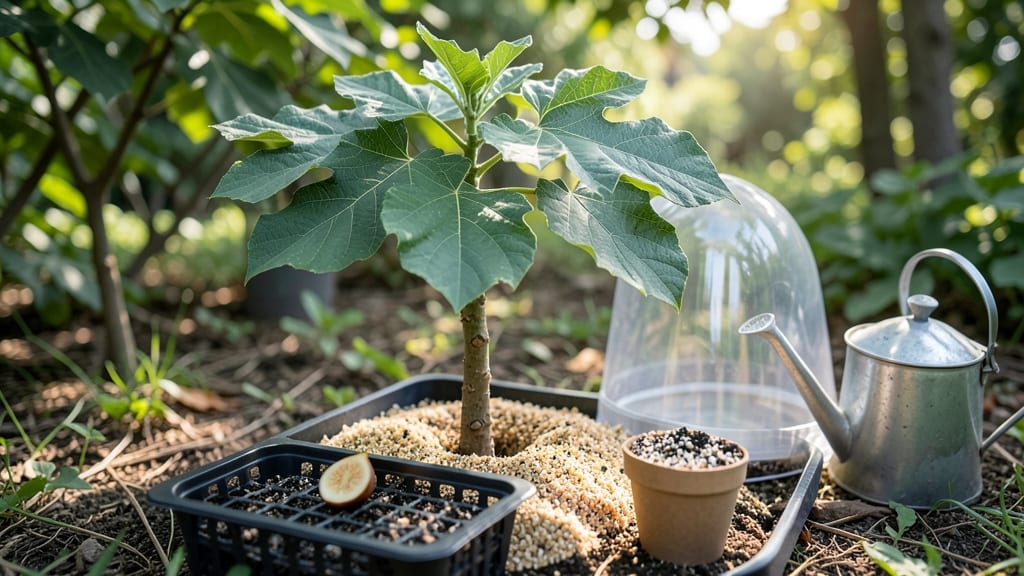
How to grow a fig tree from a fig—that first bite of sun-warmed fruit straight off the tree? You can grow your own from a single grocery-store fig, no nursery required. 🌱 The secret lies in the stem hidden inside, where tiny roots wait to wake up with the right care. I’ve turned overripe figs into thriving trees, and you can too, with just a few weeks of patience and a damp paper towel. Start with a ripe but firm fig—too soft means overripe, too hard means unripe. Cut the stem cleanly, remove the seeds, and let the stem dry for a day before planting it in moist potting mix. The magic happens in a warm spot with bright, indirect light, where roots should appear in 2-4 weeks if everything’s just right. Once rooted, transplant to a pot with drainage and watch your cutting transform into a bushy tree. By next summer, you’ll be harvesting your own figs—sweet, juicy, and packed with the pride of growing something from scratch. The best part? Figs propagate so easily even beginners succeed. This method works year-round indoors, but if you’re outside, wait until spring when soil warms up. Troubleshooting rot? Too much water—let the soil dry slightly between waterings. Slow growth? More light is the fix. Ready to try?
📚 In This Guide
- What you need
- Instructions
- Tips and common mistakes
- Wrapping up and next steps
What you need
- ● 1 ripe, organic fig: Choose a fresh, firm fig (avoid overly soft or moldy ones). Look for varieties like Brown Turkey, Mission, or Celeste for best results.
- ● 1 sharp knife or pruning shears: Sterilized to prevent disease (rubbing alcohol works!). A craft knife or pruning shears (3–4 inch blades) is ideal.
- ● 1 small container with drainage: A 6-inch nursery pot or yogurt cup with holes (or drill your own!). Use a mix of 50% perlite and 50% potting soil (or cactus/succulent mix).
- ○ Rooting hormone (optional but recommended): A powder or gel (like Rootone) to boost root growth.
- ● Clear plastic bag or humidity dome: A ziplock bag or plastic wrap to create a mini greenhouse.
- ● Water spray bottle: For gentle misting (avoid soaking the fig).
- ● Patience & sunlight: A south-facing window or grow light (12+ hours of indirect light daily).
- ● Heat mat: Keeps soil warm (70–75°F) for faster rooting.
- ● Fertilizer: A balanced liquid fertilizer (5-5-5 or 10-10-10) once roots form.
- ● Label & marker: To track your fig’s variety and planting date.
- ● Garden gloves: Protects hands from sap (can be mildly irritating).
Step-by-step instructions for growing a fig tree from a fig
Here's how to turn a single fig into a thriving tree with minimal fuss.
🌱 Step 1: Select and Prepare the Fig
Pick a ripe fig that's slightly soft when gently squeezed—it should yield to pressure but not feel mushy. The key is finding one with a visible stem or small branch still attached. If your fig is stemless, don't worry—just look for one that's still firm and hasn't started fermenting.
Cut the fig in half horizontally to reveal the center. You're looking for a small, firm growth point at the base where the stem meets the fruit. This is your future tree's starting point. If you don't see this, try another fig—the right one will have a clear, slightly raised bump.
💧 Step 2: Root the Fig in Water
Fill a small glass or jar with room-temperature water, leaving about 1 inch of space at the top. Place the fig half (with the growth point facing down) into the water so only the stem end is submerged. The fruit portion should stay above water—this is crucial because figs rot easily when submerged.
Change the water every 2-3 days to prevent bacterial growth. Set the jar in a warm spot with bright, indirect light—a south-facing window works well. Within 2-4 weeks, you'll see tiny white roots emerging from the stem. Once they reach about 1 inch long, it's time to move to soil.
☀️ Step 3: Plant the Rooted Fig
Fill a small pot (at least 4 inches wide) with well-draining potting mix—regular garden soil is too dense. Make a small hole in the center and gently place your rooted fig half into the soil, covering the roots completely but leaving the fruit portion exposed. Press the soil lightly around the base to secure it.
Water gently until moisture seeps from the drainage hole, then place the pot in a warm spot with 4-6 hours of sunlight daily. Avoid direct midday sun at first—it can scorch the tender new growth. Within 3-4 weeks, you should see a small shoot emerge from the fruit portion.
🌿 Step 4: Encourage Growth and Care for Your Sapling
Once your fig tree reaches about 6 inches tall, it's ready for a slightly larger pot (6-8 inches wide) with fresh potting mix. Water when the top 1 inch of soil feels dry, but never let it sit in soggy soil—figs hate wet feet. During the first year, fertilize lightly every 4-6 weeks with a balanced houseplant fertilizer.
Here's the thing—fig trees grow fast once established. By the second year, you'll start seeing small leaves and possibly even a tiny fig or two. That's your reward for patience! In colder climates, bring your tree indoors before temperatures drop below 30°F—figs are tender and won't survive frost.
✂️ Step 5: Prune and Train for Year-Round Harvests
When your tree reaches 3-4 feet tall, it's time to shape it. Use clean pruning shears to trim back any leggy growth to encourage bushier growth. Focus on removing branches that grow inward or cross each other—this improves airflow and fruit production.
Fig trees love warmth and sun, so if you're growing indoors, place it near a south-facing window or under grow lights for 12-14 hours daily. In containers, they'll produce fruit reliably if given enough light and warmth. Once established, you can expect your first harvest in 2-3 years—and with proper care, your tree could live for decades, giving you fresh figs year after year.
Tips & tricks for growing a fig tree from a fig
Real talk: Turning a fig into a tree takes patience, but these tricks will help you skip the common pitfalls.
Selection Tip: Look for figs that are firm but slightly yielding—like a ripe avocado. The stem should still be attached if possible, as this is where the growth point hides. If you're working with stemless figs, choose ones that feel dense and haven't started to ferment. I've found that figs with a tiny bump at the stem base are the most reliable starters—this is your future tree's growth center.
Rooting Secret: The 2-3 day water change schedule is non-negotiable—figs rot fast when submerged. Use a clear glass so you can watch those first roots appear. I like to add a drop of hydrogen peroxide to the water every few days to prevent bacteria buildup. Once roots reach about 1 inch, they're ready for soil, but don't rush—wait until they're sturdy enough to handle transplanting.
Lighting Strategy: Bright, indirect light is key during the rooting phase. A south-facing window works, but if you're using artificial light, keep it about 6 inches from the jar. Too much direct sun can scorch the fig flesh while it's still developing roots. I've seen beginners place their jars in harsh sunlight and watch the fig turn mushy before roots even form.
Transplanting Wisdom: When moving your rooted fig to soil, handle it like you would a delicate houseplant. Gently pat the roots to encourage them to spread, but don't force them. The exposed fruit portion will eventually dry out and fall away—this is normal! Focus on keeping the soil consistently moist (not soggy) during the first 3-4 weeks after transplanting.
Pro Tips for Grow A Fig Tree From A Fig
- Real talk: Turning a fig into a tree takes patience, but these tricks will help you skip the common pitfalls.
- Selection Tip: Look for figs that are firm but slightly yielding—like a ripe avocado.
- Rooting Secret: The 2-3 day water change schedule is non-negotiable—figs rot fast when submerged.
Frequently asked questions
Got questions about growing a fig tree from a fig?
You’re not alone! Here are some of the most common queries—and their straightforward answers—to help you succeed.
Can I grow a fig tree from any fig I buy at the store?
Not all store-bought figs are suitable! Look for fresh, ripe figs (not dried or processed) with a stem intact. Fresh figs from a local market or grocery store (like Black Mission or Brown Turkey) work best. Avoid figs treated with preservatives or wax coatings—they won’t root well.
How long does it take for a fig cutting to root?
Patience is key! With the right conditions (warmth, humidity, and consistent moisture), your fig cutting should sprout roots in 4–8 weeks. Some varieties root faster, while others take longer. Check for roots by gently tugging the cutting—if resistance is felt, roots are forming!
What if my fig cutting rots instead of rooting?
Rotting is a common issue, often caused by too much moisture or poor airflow. To fix it:
- Reduce watering—keep soil lightly moist, not soggy.
- Ensure the cutting has partial shade (direct sun can overheat it).
- Trim any mushy, blackened parts and replant in fresh, well-draining soil.
Can I grow a fig tree indoors, or does it need outdoor conditions?
Fig trees can thrive indoors, but they need bright, indirect light (like a south-facing window) and a warm spot (65–80°F). Outdoor-grown trees yield bigger harvests, but with proper care, container-grown figs can produce fruit indoors. Just ensure they get 6+ hours of sunlight daily and a large pot for root growth.
What’s the best time of year to propagate a fig tree?
The ideal window is late spring to early summer (May–June), when fig trees are actively growing. However, you can propagate year-round in warm climates (like zones 8–11). In cooler areas, wait until temperatures stay above 60°F consistently—figs hate cold!
Pro Tip: Label your cuttings!
Fig varieties can look similar, but their flavors and growth habits differ. Use a small tag or marker to note the type (e.g., Desert King vs. Celeste) so you know what to expect when your tree matures!
Wrapping up and next steps
Growing a fig tree from a fig is a rewarding journey that connects you to nature while promising a future harvest of sweet, homegrown fruit! 🌱 With just a little patience and care, you can nurture a thriving tree that will reward you for years to come.
Now that you’re armed with the propagation secrets, why not take the next step and plant your first cutting today? Your future fig tree is waiting—go ahead and make it grow!