
Pruning
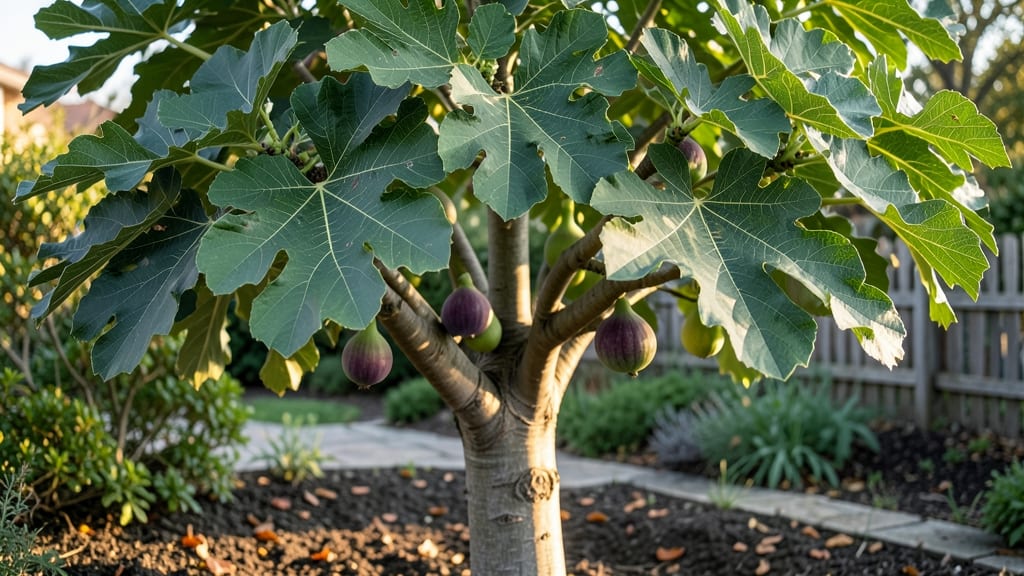
Fig trees thrive best in warm climates within USDA hardiness zones 7-11, where they bask in full sun and well-drained soil. Most varieties falter when temperatures drop below 20°F, though cold-resistant types like Chicago Hardy can endure brief chills down to 10°F with proper protection.
Fig trees originated in the Mediterranean region, where mild winters and hot summers create their ideal growing conditions. 🌿 Their sensitivity to cold stems from their tropical heritage—when temperatures dip below 32°F, the leaves and branches can suffer irreversible damage.
However, some varieties have adapted to cooler climates, making them perfect for gardeners in zones 6 or lower with strategic care. The key to success lies in protecting the roots from freezing and shielding the canopy during sudden temperature drops.
For gardeners in colder regions, container growing offers flexibility—you can move potted fig trees indoors during winter or wrap them in frost blankets. Mulching with straw or leaves insulates the roots, while selecting a south-facing location maximizes sunlight exposure.
These small adjustments can extend the growing season significantly, allowing you to enjoy fresh figs even in less-than-ideal climates.
💡 In This Article
- Understanding Fig Tree Cold Tolerance and Zone Limits
- Extending Fig Tree Growing Seasons in Cold Climates
Understanding fig tree cold tolerance and zone limits
Fig trees evolved in the Mediterranean’s mild winters, where temperatures rarely drop below 32°F. Their cold sensitivity stems from a biological process called chilling injury, where cell membranes rupture when exposed to prolonged cold.
Most varieties begin suffering damage at 20°F, with leaves turning black and branches dying back. The roots, however, are slightly more resilient—they can tolerate 15°F for short periods, but extended exposure leads to root rot from frozen soil.
The USDA’s zones 7-11 align perfectly with fig trees’ natural range because these zones average winter lows between 0°F and 10°F, rarely pushing below 20°F. For example, zone 8’s 10-20°F winters are ideal, while zone 10’s 30-40°F lows are even more forgiving.
Cold-hardy types like Chicago Hardy push limits by developing thicker bark and deeper root systems, but they still require protection below 15°F.
Dormancy plays a critical role in survival. Unlike deciduous trees that shed leaves to conserve energy, figs stay semi-dormant year-round in warm climates. In colder zones, they enter a partial dormancy, where growth slows but leaves remain vulnerable.
This is why sudden freezes (28°F or lower) can kill foliage even if roots survive—leaves lack the protective sugars that hardy trees produce.
Soil drainage is equally vital. Fig roots suffocate in soggy conditions, which worsens cold stress by preventing proper insulation. Well-drained soil (sandy loam with 5.5-7.0 pH) allows roots to stay 5-10°F warmer than air temperatures, thanks to heat retention.
In contrast, clay soils can drop 15°F colder than surrounding air, accelerating damage.
For visual context, imagine a fig tree’s canopy as a delicate glass structure—it shatters at 20°F, while roots act like reinforced foundations that can handle 15°F with protection. This disparity explains why gardeners in zones 6-7 focus on shielding the topgrowth while insulating roots with mulch or containers.
What most growers overlook is the wind chill effect. A 25°F night with 10 mph winds feels like 10°F to the tree, explaining why windbreaks (like fences or hedges) are crucial in exposed areas. This phenomenon turns marginal zones into high-risk zones without proper safeguards.