
How To
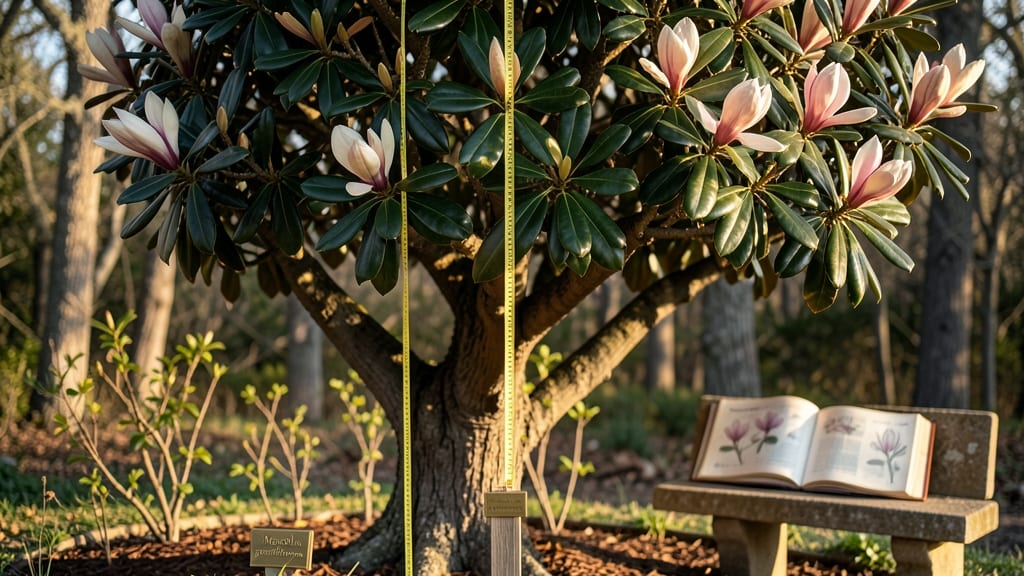
A magnolia tree can grow how tall from a compact 10 feet to a towering 120 feet, depending on the variety—so whether you’re dreaming of a shade canopy or a dainty garden accent, the right choice makes all the difference.
If you’ve ever imagined a magnolia tree shading your backyard or lining your driveway, you’re not alone—but did you know some varieties grow as tall as redwoods? The fastest-growing types can shoot up 2 feet per year, while others take decades to reach their full potential.
From the petite Magnolia stellata (a 15-foot stunner) to the majestic Magnolia grandiflora (which can soar over 80 feet), each species has its own skyward limit. Soil, climate, and pruning all play a role in how tall your tree will grow.
In this guide, I’ll break down the height ranges of popular varieties, share tips for controlling growth, and help you pick the perfect magnolia for your space—whether you want a grand statement or a manageable addition to your garden.

Magnolia tree height by variety: from dwarf to giant species
Choosing the right magnolia variety depends entirely on your space—whether you have a cozy urban courtyard or a sprawling Southern estate. Some magnolias stay compact enough for container gardening, while others grow tall enough to rival redwoods.
The key is understanding each variety’s mature height range and growth habits.
From the dwarf 'Little Gem' (a compact Southern magnolia cultivar) to the towering Magnolia grandiflora, heights vary dramatically. Even within species, cultivar differences can mean the difference between a 10-foot ornamental and a 100-foot giant. Let’s explore the spectrum.
| Variety | Mature Height | Growth Rate | Best For |
|---|---|---|---|
| Magnolia 'Little Gem' | 10–15 ft | 1–2 ft/year | Small yards, containers |
| Magnolia 'Teddy Bear' | 12–15 ft | 1 ft/year | Ornamental hedges |
| Magnolia stellata | 15–20 ft | 2 ft/year | Japanese gardens |
| Magnolia 'Black Tulip' | 20–25 ft | 1.5 ft/year | Specimen planting |
| Magnolia grandiflora | 60–80 ft | 3 ft/year (young) | Large estates |
| Magnolia campbellii | 80–100 ft | 2–3 ft/year | Wild landscapes |
The smallest magnolias, like 'Little Gem' and 'Teddy Bear', are perfect for urban gardens or balcony planters. These dwarf varieties mature between 10–15 feet, making them ideal for small spaces without sacrificing beauty. Their slow growth rate (1–2 feet per year) also means less maintenance.
For medium-height options, consider Magnolia stellata or 'Black Tulip'. These ornamental varieties reach 15–25 feet and thrive in landscaping focal points. Their faster growth (up to 2 feet annually) lets you enjoy blooms sooner, but they still stay manageable for homeowners with moderate yards.
If you’re dreaming of a grand statement tree, the Southern magnolia (Magnolia grandiflora) is legendary. This evergreen giant can soar to 60–80 feet, providing year-round shade and fragrance. In ideal conditions, it grows 3 feet per year when young, though growth slows as it matures.
At the extreme end, Magnolia campbellii (the Campbell magnolia) can reach 80–100 feet in its native Himalayan habitat. While rare in home gardens, it’s a wildlife magnet with showy pink blooms.
Its rapid early growth (2–3 feet annually) makes it a favorite for landscape designers with ample space.
Remember, height isn’t the only factor. Consider spread (some magnolias grow wider than tall), bloom time, and climate needs. A 10-foot magnolia might still need 20 feet of clearance for its branches. Always check cultivar specifics before planting!
🌿
Fastest-growing Magnolia varieties: how quickly they reach skyward limits
If you're eager to see your magnolia tree grow fast, some varieties will have you reaching for the sky in no time. Magnolia 'Little Gem' is a standout performer, gaining 12-18 inches annually under ideal conditions.
For those with smaller spaces, Magnolia 'Teddy Bear' offers a compact option while still delivering 6-10 inches of growth per year. The key to maximizing growth lies in understanding each variety's potential and how to nurture it.
Growth rates vary dramatically between magnolia types. Southern magnolias (Magnolia grandiflora) can grow 2-3 feet per year in optimal climates, while star magnolias (Magnolia stellata) typically grow 6-12 inches annually.
Climate plays a huge role—warmer zones like USDA Zones 7-9 accelerate growth, while colder regions may see 50% slower growth rates. Proper soil drainage and acidic pH (5.0-6.0) also make a difference.
| Variety | Annual Growth Rate | Mature Height | Best For |
|---|---|---|---|
| Magnolia 'Little Gem' | 12-18 inches | 20-25 ft | Small yards, urban gardens |
| Magnolia 'Teddy Bear' | 6-10 inches | 10-15 ft | Containers, patios |
| Magnolia grandiflora | 2-3 feet | 60-80 ft | Large estates, privacy screens |
| Magnolia stellata | 6-12 inches | 15-25 ft | Ornamental landscapes |
| Magnolia 'Black Tulip' | 10-15 inches | 20-30 ft | Bold foliage displays |
Soil quality is non-negotiable for fast growth. Well-draining, slightly acidic soil packed with organic matter helps roots expand quickly. I recommend amending clay soil with compost or pine bark to improve aeration. Mulching with pine straw also retains moisture and mimics the tree's natural forest floor environment.
Avoid heavy, compacted soil—it can stunt growth by 30-50%.
Pruning plays a surprising role in growth speed. Light pruning in late winter removes dead wood and encourages new growth, while over-pruning can slow height gain.
For faster vertical growth, focus on removing lower branches to direct energy upward. Topping (cutting the main stem) should be avoided—it creates weak, unsightly regrowth. Instead, prune selectively to maintain shape while encouraging height.
Climate matters just as much as soil. Southern magnolias thrive in humid climates with 60-80 inches of annual rainfall, while star magnolias prefer cooler summers and USDA Zones 4-8.
In drier regions, supplement with weekly deep watering during the first two years to establish strong roots. Without adequate moisture, growth can slow by 40% in the first year.
For the fastest results, combine optimal soil, proper pruning, and climate suitability. With these factors in place, Magnolia 'Little Gem' can reach its 20-foot mature height in just 10-12 years, while Magnolia grandiflora may take 20-30 years to reach its full 80-foot potential.
Patience and care pay off with a stunning, sky-reaching magnolia in your landscape. 🌳