
How To
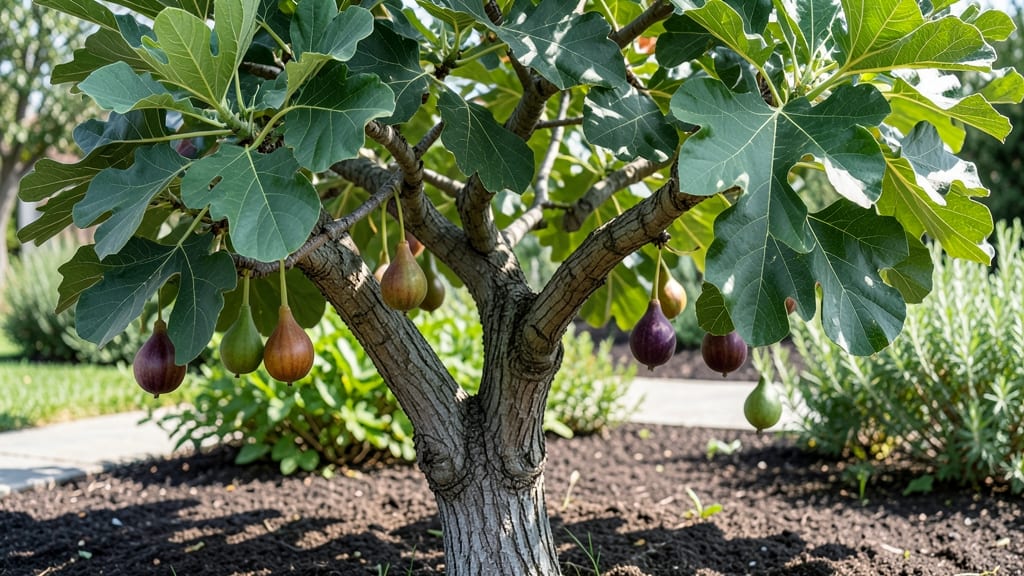
A fig tree can grow how tall can a fig tree grow anywhere from 8 feet to towering heights of 30 feet or more, depending on the variety and growing conditions.
If you’ve ever dreamed of a shady backyard retreat or a striking centerpiece for your landscape, understanding how tall fig trees grow is your first step—because some varieties stretch skyward like ancient giants while others stay neatly contained.
For example, the dwarf varieties like 'Little Miss Figgy' top out around 8-12 feet, making them perfect for containers or small yards, while standard types like 'Brown Turkey' can easily reach 20-30 feet in ideal conditions.
In this guide, I’ll break down the height ranges by variety, share tips for controlling growth, and help you choose the right type for your space—whether you want a manageable patio plant or a dramatic backyard focal point.

Fig tree height by variety: from dwarf to giant species
Fig trees offer an incredible range of sizes, from compact dwarf varieties perfect for containers to towering standard trees that dominate landscapes. The mature height of your fig tree depends entirely on the variety you choose—some stay under 10 feet while others reach 30 feet or more.
Understanding these differences helps you plan your garden layout and select the perfect tree for your space.
Most common fig trees belong to the species Ficus carica, but tropical figs like Ficus lyrata (fiddle-leaf fig) can also reach impressive heights. In this guide, we’ll focus on edible fig varieties that thrive in USDA zones 7-10, where they can flourish year-round or with seasonal care.
Whether you’re dreaming of a shady patio tree or a privacy screen, there’s a fig variety to match your vision.
Here’s a quick comparison of fig tree heights by variety, including their growth habits and ideal climates to help you make the best choice for your garden.
| Variety | Mature Height | Spread | Growth Rate | Climate Zones | Best For |
|---|---|---|---|---|---|
| Little Miss Figgy | 8-12 ft | 6-8 ft | Moderate | 7-10 | Containers, patios |
| Celeste | 12-15 ft | 10-12 ft | Fast | 7-10 | Small yards, urban gardens |
| Brown Turkey | 20-30 ft | 15-20 ft | Moderate | 7-10 | Large landscapes, privacy screens |
| Violette de Bordeaux | 15-25 ft | 12-15 ft | Slow to moderate | 7-10 | Ornamental landscapes, shade trees |
| Osborn Prolific | 10-15 ft | 8-10 ft | Fast | 7-10 | Fruit production, small orchards |
| Chicago Hardy | 15-20 ft | 10-12 ft | Moderate | 4-9 | Cold climates, northern gardens |
The Little Miss Figgy is my go-to recommendation for small-space gardens or container growing. This dwarf fig variety tops out at just 8-12 feet, making it ideal for patios, balconies, or even large pots.
Its compact growth habit means it won’t overwhelm your outdoor space, yet it still produces abundant fruit. I’ve grown this variety in 15-gallon containers for years, and it thrives with minimal pruning.
If you’re aiming for a medium-height fig tree, the Celeste variety is a fantastic choice. It reaches 12
How to control fig tree height: pruning and training tips
Fig trees can grow into towering giants—some reaching 30 feet or more—if left unchecked. But with the right pruning techniques and training methods, you can shape them into manageable sizes, even for small yards or containers.
The key is understanding when to prune, which tools to use, and how seasonal care affects growth. Whether you're dealing with a standard variety or a dwarf fig tree, these tips will help you maintain your desired height while keeping your tree healthy and productive.
Pruning isn’t just about cutting branches—it’s about encouraging balanced growth and improving air circulation. Fig trees respond well to pruning, especially when done at the right time. For most varieties, the best time to prune is late winter or early spring, just before new growth begins.
This timing ensures you remove dead or weak wood while stimulating fresh, vigorous shoots. Avoid heavy pruning in fall, as it can leave your tree vulnerable to cold damage before winter dormancy sets in.
Before you grab your shears, gather the right tools. A sharp bypass pruner is ideal for clean cuts on smaller branches, while a pruning saw handles thicker limbs. Don’t forget gloves and disinfectant to prevent spreading disease.
Sterilizing your tools with rubbing alcohol between cuts is a simple step that can save your tree from infections like root rot or bacterial blight. Pro tip: Use a 3-in-1 oil or bleach solution for thorough cleaning.
Step-by-Step Guide to Pruning Fig Trees for Height Control
-
Step 1: Assess the Tree
Examine your fig tree for dead branches, crossing limbs, or growth that’s blocking sunlight. Remove these first—they’re the easiest targets and improve overall health.
-
Step 2: Thin Out the Canopy
Selectively prune 1/3 of the oldest wood to encourage new growth. Focus on branches growing inward or upward to open up the center and reduce height.
-
Step 3: Shape for Size
Use heading cuts (cutting back to a bud or branch) to control height. For dwarf varieties, limit cuts to 12-18 inches above the desired height.
-
Step 4: Train Young Trees
Guide new growth with stakes or trellises to direct energy downward. This works especially well for container-grown figs or small-space gardening.
-
Step 5: Clean Up
Remove all pruned branches and sterilize tools. Dispose of clippings in a sealed bag to prevent pests from infesting your garden.
Seasonal care plays a huge role in managing your fig tree’s height. In spring, focus on light pruning to shape the tree and remove any winter damage. During summer, avoid heavy pruning—this is when your tree is most active, and cutting back too much can stress it.
Instead, monitor growth and adjust as needed. In fall, limit pruning to sanitation cuts (removing dead or diseased wood) and avoid any structural changes that could weaken the tree before winter.
For small spaces or containers, consider topiary training to keep your fig tree compact. Use a wire cage or espalier method to shape the tree against a wall or trellis. This not only controls height but also creates a stunning visual display.
Container-grown figs benefit from regular root pruning too—gently trim roots when repotting to encourage a bushier, more manageable form. Remember, patience is key: fig trees grow quickly, so consistent pruning is better than drastic cuts.
Don’t forget that soil and sunlight impact height too. Fig trees thrive in well-draining soil with 6+ hours of sun daily. If your tree is growing too fast, it might need less fertilizer or more shade during peak summer months.
Mulching around the base with organic matter helps regulate moisture and temperature, reducing stress that can lead to uncontrolled growth.
With the right balance of pruning, training, and care, you can enjoy a fig tree that fits your space—whether it’s a towering shade tree or a compact container beauty. ✂️🌿🌳