
How To
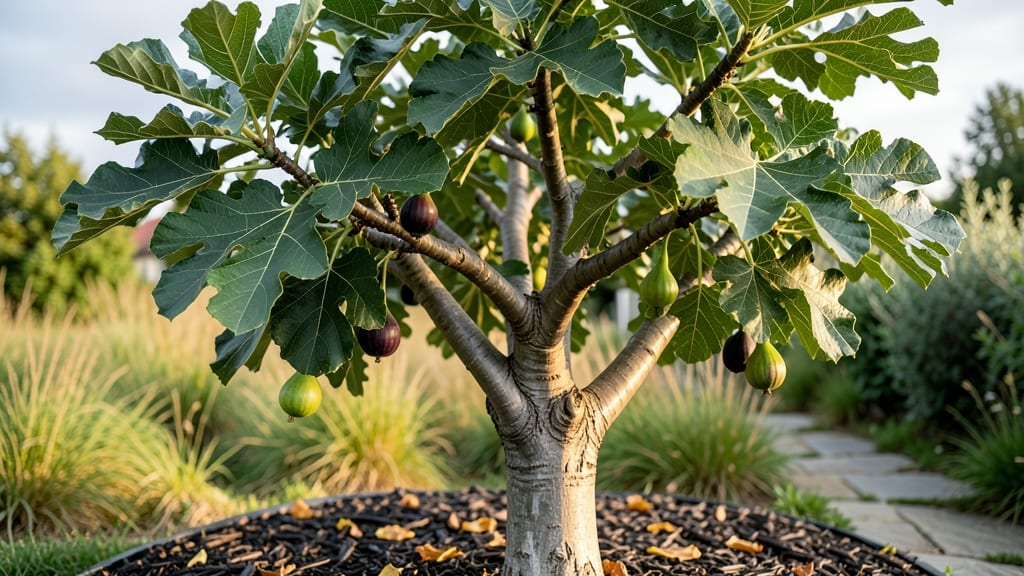
A fig tree will grow anywhere from 8 feet to towering 30 feet tall, depending on the variety and growing conditions.
Wondering if your backyard can accommodate a fig tree? The height of a fig tree depends entirely on its variety—some stay compact enough for containers, while others tower like small trees, demanding careful planning before planting.
For example, the 'Chicago Hardy' fig tree remains around 10-12 feet tall, making it perfect for smaller gardens or even large containers. On the other hand, the 'Brown Turkey' variety can reach 20-30 feet, requiring ample space and regular pruning to manage its size.
Below, I’ll break down the height ranges of popular fig tree varieties, how climate zones influence growth, and practical tips for controlling their size—whether you’re working with a dwarf variety or a fast-growing standard tree.

Fig tree height by variety: dwarf to giant species compared
Choosing a fig tree variety isn’t just about flavor—it’s about space! Some fig trees stay small enough for container gardening while others grow like small trees, reaching 30 feet tall. Understanding these differences helps you pick the perfect fig for your yard, patio, or even indoor space.
Let’s explore the range from dwarf varieties (under 10 feet) to giant species (30+ feet).
For small spaces, varieties like 'Little Miss Figgy' or 'Desert King' are ideal—they top out at just 6-8 feet. These compact trees thrive in containers and produce sweet figs without dominating your garden.
Meanwhile, standard varieties like 'Brown Turkey' or 'Celeste' can grow 20-30 feet tall, making them better suited for large backyards or orchards.
Here’s a quick comparison to help you visualize the differences:
The 'Little Miss Figgy' is a top pick for gardeners with limited space—it’s perfect for balconies or small patios and produces abundant fruit despite its tiny stature.
Its bushy growth habit makes it ideal for container gardening, as long as you use a pot at least 18-24 inches wide.
On the other end of the spectrum, 'Brown Turkey' is a classic for large gardens or orchards. Without pruning, it can reach 30 feet tall, but with regular height control pruning, you can keep it more manageable.
This variety is also drought-tolerant once established, making it a low-maintenance choice for xeriscaping.
If you’re in a cold climate (USDA Zone 6-7), 'Chicago Hardy' is a fantastic option. It stays 12-15 feet tall and is one of the few fig varieties that survives winter temperatures down to -15°F.
Its spreading branches create a natural shade tree while still producing sweet, reliable figs.
For tropical or warm climates (Zones 8-11), 'Celeste' is a standout. It grows 20-25 feet tall and thrives in heat, making it perfect for southern gardens. Its fast growth rate means it can quickly become a privacy screen or focal point in your landscape.
Before planting, consider your space constraints and long-term growth goals. A dwarf variety might be perfect for your container garden, while a standard tree could become the centerpiece of your backyard. With the right variety, you can enjoy homegrown figs without sacrificing space or aesthetics! 🌳
How climate Zones affect fig tree growth and maximum height
Your USDA hardiness zone plays a crucial role in determining how tall your fig tree will grow. In colder zones like Zone 7, cold-hardy varieties stay compact—often under 15 feet—while tropical types in Zone 10 can soar to 30+ feet without restraint.
Understanding these differences helps you choose the right variety for your climate and space.
Cold-hardy figs, like 'Chicago Hardy', thrive in Zones 5-7 and typically max out at 10-15 feet, making them ideal for smaller yards or containers. Meanwhile, heat-loving varieties like 'Brown Turkey' or 'Celeste' grow aggressively in Zones 8-10, often reaching their full 20-30 foot potential if unpruned.
| USDA Zone | Fig Variety | Mature Height | Growth Notes |
|---|---|---|---|
| Zones 5-7 | 'Chicago Hardy' | 10-15 ft | Cold-resistant, compact, great for containers |
| Zones 6-8 | 'Little Miss Figgy' | 8-12 ft | Dwarf variety, ideal for small spaces |
| Zones 7-9 | 'Desert King' | 15-20 ft | Moderate height, drought-tolerant |
| Zones 8-10 | 'Brown Turkey' | 20-30 ft | Fast-growing, needs space |
| Zones 9-11 | 'Celeste' | 25-35 ft | Tropical, aggressive growth |
In Zone 7, where winters dip below 0°F, even cold-hardy figs may struggle without protection, often staying 10 feet or shorter. My 'Osborn Prolific' fig in Zone 7b maxes out at 12 feet after years of growth, proving that colder climates naturally limit height.
Pruning in late winter helps maintain manageable size.
Conversely, in Zone 10, where frost is rare, fig trees grow uninhibitedly. A 'Brown Turkey' in my friend’s Zone 10a garden now towers over their 12-foot fence, with new branches shooting up 3 feet per year.
Without pruning, these trees can easily reach 30 feet or more, requiring significant space.
If you're in a transition zone like Zone 8, your fig’s height depends on variety and winter protection. 'Violette de Bordeaux' often stays under 15 feet but can stretch taller with ideal conditions. Mulching heavily and wrapping the trunk in winter helps control growth and prevents dieback.
For container gardening in Zones 9-11, choose dwarf varieties like 'Little Miss Figgy' or 'Peter's Honey', which max out at 8-12 feet even in warm climates. These stay manageable in 15-gallon pots but still produce abundant fruit. Always ensure pots have drainage holes to prevent root rot.
Regardless of your zone, pruning in late winter is key to managing height. In colder zones, this encourages bushier growth, while in warm zones, it controls vertical expansion.
Pair this with regular watering—especially in Zone 10—to keep your fig tree healthy and within your desired height limits. 🌳