
Pruning
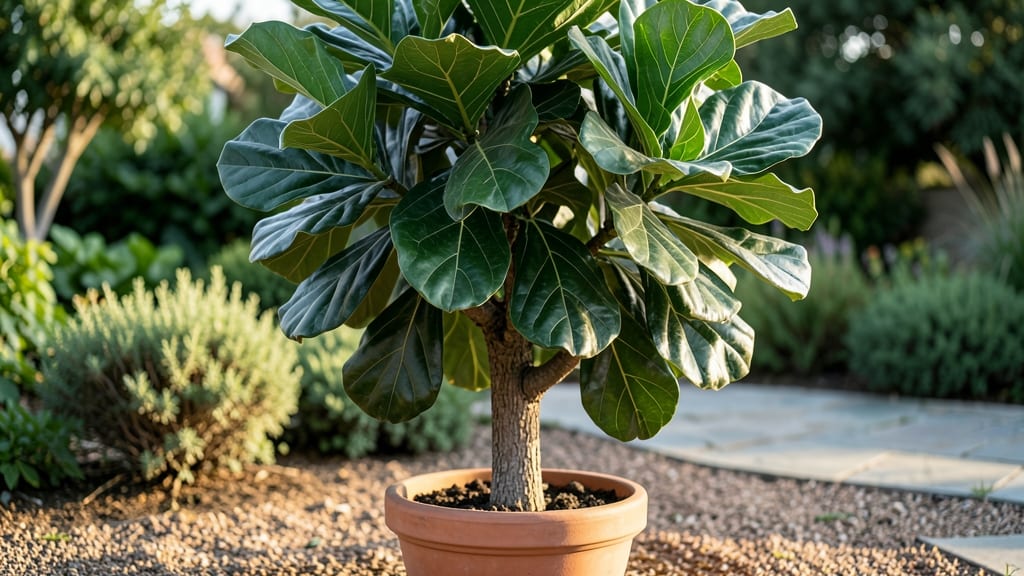
Growing a Ficus lyrata tree outdoors transforms your yard into a tropical oasis—if you nail the sunlight and soil. 🌿 I’ve watched mine go from struggling indoor plant to bold, glossy-leafed centerpiece by making just two key adjustments: morning sun exposure and well-draining soil.
The biggest mistake? Moving it outside too fast. Start with 2-3 hours of filtered light in the shade, then gradually increase exposure over 2-3 weeks. Fiddle-leaf figs hate sudden temperature swings—keep it above 55°F at night and avoid cold drafts.
The soil needs to breathe too: mix in 30% perlite or sand to prevent root rot. By summer, you’ll see new leaves emerging with deep, velvety green color—proof the plant is thriving. The secret’s in the balance: enough sun for energy, but protection from harsh afternoon rays.
Prune leggy stems in spring to encourage bushier growth. Works best in USDA zones 10-12, but container-grown plants can adapt to cooler climates with winter protection. Here’s how to make the transition smooth!
📚 In This Guide
- What you need
- Instructions
- Tips and common mistakes
- Wrapping up and next steps
What you need
- ● Ficus lyrata plant – A healthy, mature plant (6+ inches tall) with vibrant leaves.
- ● Large outdoor pot – Minimum 12-16 inches in diameter with drainage holes (terracotta or ceramic preferred).
- ● High-quality potting mix – Well-draining, slightly acidic (6.0-6.5 pH). Mix 1 part peat moss, 1 part perlite, and 2 parts potting soil.
- ● Drainage tray or saucer – To catch excess water and prevent root rot.
- ● Slow-release fertilizer – Balanced (10-10-10 or 20-20-20) granules or liquid fertilizer for houseplants.
- ● Pruning shears – Sharp, sterilized shears (for shaping or trimming dead leaves).
- ○ Gloves – Optional but recommended to protect from sap (can irritate skin).
- ● Sunlight spot – Bright, indirect light (4+ hours/day). Avoid harsh afternoon sun in hot climates.
- ● Wind protection – Partial shelter (e.g., near a wall or under a pergola) to prevent leaf damage.
- ● Watering schedule – Check soil moisture weekly (water when top 1-2 inches are dry).
- ○ Humidity boost (optional) – Pebble tray or humidifier if your climate is dry.
- ● Seasonal prep – Gradual acclimation (harden off indoors for 1-2 weeks before moving outside).
Step-by-Step instructions for planting and caring for your Ficus lyrata tree outdoors
Here's how to establish your fiddle-leaf fig for thriving outdoor growth—where light, soil, and timing create the perfect foundation.
🪴 Step 1: Choose the Perfect Planting Location
Select a spot with bright, indirect light—think dappled shade under a large tree or a sheltered patio where sunlight filters through. Ficus lyrata tolerates 4-6 hours of morning sun but will scorch in harsh afternoon rays. I always test the spot for a week first by placing the pot there during daylight hours. If the leaves show crispy edges by evening, move it to a shadier area immediately.
Ensure the location has good air circulation—this prevents fungal issues and keeps those signature leaves crisp. A spot near a building wall or fence with afternoon shade works beautifully. Avoid low-lying areas where cold air pools, as fiddle-leaf figs dislike temperatures below 50°F. If you're in a colder climate, plan to bring it indoors before the first frost.
🌱 Step 2: Prepare the Soil for Optimal Growth
Ficus lyrata thrives in well-draining, slightly acidic soil with a pH between 6.1 and 7.5. Mix equal parts potting soil, perlite, and compost to create a loose, airy medium that prevents root rot. I like to add a handful of orchid bark to improve drainage—this mimics the tree's natural habitat in tropical forests. Fill your container with this blend, leaving 2 inches of space at the top for watering.
If planting directly in the ground, amend the native soil with 3-4 inches of organic matter like compost or aged manure. Dig a hole twice as wide as the root ball to encourage root spread. Gently loosen the roots if they're circling in the pot before placing the tree in the hole. Backfill with the amended soil and water deeply to settle everything in place.
☀️ Step 3: Transplant with Care for Minimal Stress
Timing matters—transplant your ficus lyrata in spring or early summer when temperatures are consistently above 60°F. Water the plant 24 hours before moving to reduce shock. Lift the tree from its container, gently loosening any tangled roots with your fingers. Place it in the prepared hole or container, ensuring the root flare (where the roots meet the trunk) sits just above soil level. Burying it too deep suffocates the roots and causes rot.
After positioning, fill the hole with soil and press lightly around the base to eliminate air pockets. Water deeply until it drains from the bottom, then let it sit for 10-15 minutes before adding a 1-inch layer of mulch around the base. Keep the mulch 2-3 inches away from the trunk to prevent moisture buildup. This step is critical—mulch helps retain moisture while protecting roots from temperature swings.
💧 Step 4: Establish a Watering Routine for Healthy Roots
Water your ficus lyrata once a week during the first month, allowing the top 2 inches of soil to dry out between waterings. Stick your finger into the soil—if it feels dry at that depth, it's time to water. Overwatering is the fastest way to kill a fiddle-leaf fig, so I always check the soil before reaching for the hose. In hotter months, you may need to water every 5-7 days, but never let the plant sit in soggy soil.
Mist the leaves 2-3 times a week to replicate the humidity of its tropical origins. I use a spray bottle in the early morning so the leaves have time to dry before evening. Avoid wetting the leaves if temperatures drop below 65°F, as cold, wet foliage invites fungal diseases. You'll know your watering routine is right when new leaves emerge bright green and glossy—a sign the plant is thriving.
✂️ Step 5: Prune and Maintain for Long-Term Beauty
Prune your ficus lyrata in late winter or early spring before new growth begins. Use sterilized pruning shears to cut back leggy stems or remove dead leaves at the node (the point where the leaf meets the stem). This encourages bushier growth and prevents the tree from becoming top-heavy. I always make cuts just above a leaf node at a 45-degree angle to promote faster healing and reduce water pooling.
Fertilize once a month during the growing season (spring through fall) with a balanced, water-soluble fertilizer diluted to half strength. You'll see the difference in shinier leaves and faster growth within a few weeks. Reduce fertilizing in winter—your ficus lyrata enters a dormant phase and needs less nourishment. Watch for yellowing leaves as a sign of over-fertilizing, and flush the soil with water immediately if it happens.
Tips & tricks for perfect Ficus lyrata tree outdoor care
Between us, these small but critical details make all the difference when transitioning your fiddle-leaf fig outdoors. The right light, soil prep, and timing prevent common pitfalls that turn lush growth into leaf burn or root rot.
Light Testing: In Step 1, when you're testing that perfect spot with 4-6 hours of morning sun, watch for subtle signs of stress. The leaves should maintain their deep green color throughout the day—if they develop crispy brown edges by afternoon, move the plant immediately. I've learned this the hard way after watching three fiddle-leaf figs suffer from afternoon sun exposure. For extra protection, position a sheer curtain on the south or west side of the plant during peak sun hours (11 AM–3 PM).
Soil Mixing Secret: When preparing your soil blend in Step 2, don't just eyeball the equal parts potting soil, perlite, and compost. Use a kitchen scale for precision—this ensures the right texture for drainage without compacting. I add a 1-inch layer of coarse sand to the bottom of containers for an extra drainage boost, especially in humid climates where roots need to "breathe." The orchid bark is worth the extra cost—it mimics the tree's natural epiphytic growth habits and prevents that dreaded root rot.
Transplant Timing: The 24 hours before moving watering in Step 3 isn't just about hydration—it's about giving the roots time to adjust to their current environment. If you're moving from indoor to outdoor, do this transition gradually over 7-10 days by placing the plant in its new spot for increasing durations each day. Also, never transplant when temperatures are dropping below 60°F—even if the forecast promises to warm up, roots need consistent warmth to establish properly.
Watering Wisdom: For the once-a-week watering in Step 4, I've found a simple trick: use a moisture meter or stick your finger 2 inches deep—if the soil feels like a wrung-out sponge, it's time to water. The 2-3 times weekly misting should be done with distilled water if your tap water is hard, as mineral buildup on leaves can cause brown spots. And here's a pro move: water the mulch ring first, then work your way toward the trunk to encourage deep root growth rather than surface evaporation.
Pro Tips for Ficus Lyrata Tree Outdoor
- Between us, these small but critical details make all the difference when transitioning your fiddle-leaf fig outdoors.
- Light Testing: In Step 1, when you're testing that perfect spot with 4-6 hours of morning sun, watch for subtle signs of stress.
- Soil Mixing Secret: When preparing your soil blend in Step 2, don't just eyeball the equal parts potting soil, perlite, and compost.
Frequently asked questions
Can a Ficus Lyrata survive outdoors year-round in cold climates?
The Ficus lyrata is tropical and thrives in USDA zones 10-12. In colder areas (zones 8-9), it may survive mild winters but risks leaf drop or dieback below 30°F (-1°C). Bring it indoors before frost or grow it in containers for easy winter relocation. Mulch the soil and protect the roots if leaving it outside.
How much sunlight does a Ficus Lyrata need outdoors?
Outdoor Ficus lyrata trees prefer bright, indirect light (3–4 hours of morning sun). Avoid harsh afternoon sun, which can scorch leaves. In hotter climates, provide afternoon shade. If leaves yellow or brown, it’s likely getting too much direct sun or too little light.
What’s the best way to water an outdoor Ficus Lyrata?
Water when the top 1–2 inches of soil are dry (usually every 1–2 weeks, depending on climate). Overwatering is worse than underwatering—yellow leaves or mushy stems signal root rot. Use well-draining soil and a pot with drainage holes if container-grown. Mulch helps retain moisture while preventing soggy roots.
Why are my Ficus Lyrata’s leaves dropping outdoors?
Leaf drop often stems from stress: sudden temperature changes, underwatering, overwatering, or transplant shock. Check soil moisture, light exposure, and humidity levels. If moving it outdoors, acclimate it gradually to avoid shock. Brown edges? Too much sun or dry air. Yellow leaves? Overwatering or poor drainage.
Can I grow a Ficus Lyrata in a container outdoors?
Container-growing is ideal for colder climates or renters. Use a pot 2–3 inches larger than the root ball with drainage holes. Repot every 2–3 years in spring. Choose a lightweight mix (like 60% potting soil + 30% perlite + 10% orchid bark) to prevent root rot. Move containers to avoid wind damage.
Wrapping up and next steps
Growing a Ficus lyrata outdoors is a rewarding journey that combines patience, care, and a touch of tropical flair! 🌿 With the right sunlight exposure—balancing bright, indirect light with shade—and well-draining, nutrient-rich soil, your fiddle-leaf fig can thrive as a stunning centerpiece.
Remember, consistency in watering, humidity, and occasional pruning will keep it lush and healthy for years.
Now that you’re armed with the secrets to success, why not take the next step? Start by assessing your outdoor space—whether it’s a sunny patio, a shaded garden corner, or a cozy balcony—and give your Ficus lyrata the perfect home. Happy planting! 🌱