
Pruning
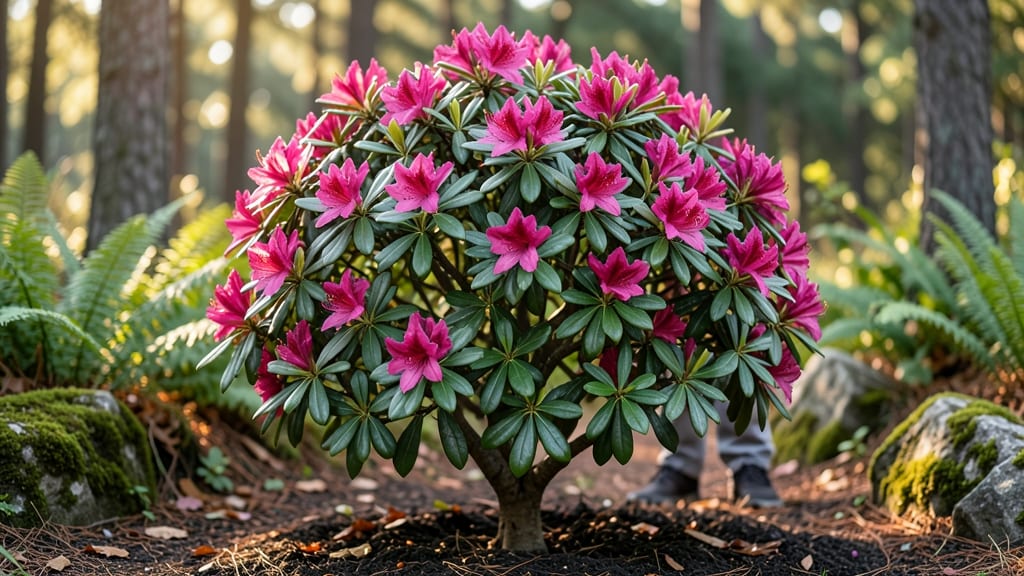
Azalea tree height varies dramatically—6 to 12 feet tall depending on the variety, but pruning can shrink them to 3 feet—or let them sprawl to 15 feet if you ignore them. 🌿 I learned this the hard way after my first azalea grew into a tangled mess, blocking my patio.
The secret isn’t just cutting branches—it’s understanding when and how to shape them for that perfect, manicured look without stressing the plant.
Most gardeners overlook soil and sunlight first, but those factors decide whether your azalea stays compact or shoots up like a weed. Well-draining, acidic soil keeps roots healthy, while morning sun and afternoon shade prevent leggy growth.
Prune right after flowering (late spring) to encourage bushier blooms next year—never cut into old wood, or you’ll sacrifice next season’s flowers.
With the right approach, you’ll end up with azaleas that look like they belong in a botanical garden, not just your backyard.
The blooms stay vibrant, the shape stays neat, and you avoid the heartbreak of seeing your favorite shrub turn into a towering eyesore. Three simple cuts in the right season make all the difference.
Works for both evergreen and deciduous azaleas, and the same principles apply whether you’re shaping a hedge or a single specimen. Let’s get those shears ready!
📚 In This Guide
- What you need
- Instructions
- Tips and common mistakes
- Wrapping up and next steps
What you need
- ● Pruning shears – Bypass pruners (8-inch blades) for clean cuts on smaller branches. Avoid anvil shears—they crush stems!
- ● Loppers – 10-12 inch, with a ratcheting mechanism for thicker branches (up to 2 inches in diameter).
- ○ Pruning saw – Curved-tooth, 8-10 inch for stubborn, woody growth (optional but handy for mature trees).
- ● Gloves – Heavy-duty, thorn-resistant (azaleas can be prickly!).
- ● Disinfectant (70% isopropyl alcohol or pruning sealant) – Small spray bottle or wipe to sterilize tools between cuts and prevent disease.
- ○ Extension pole (optional) – 3-6 foot telescoping pole with a pruning head for hard-to-reach branches.
- ● Best time to prune: Late winter or early spring (just before new growth starts). Never prune in fall—it encourages tender growth vulnerable to frost!
- ● Weather check: Choose a dry, overcast day to avoid stressing the plant.
- ● Safety gear: Sunglasses and long sleeves (azalea blooms can be messy!).
- ● Cleanup supplies: Garden bag or bucket for clippings + trash bags for disposal.
Instructions for pruning azaleas to control height
Here's how I shape azaleas into elegant, manageable shrubs without sacrificing blooms.
✂️ Step 1: Time Your Pruning for Maximum Impact
Prune azaleas immediately after flowering, when buds have finished opening but before new growth begins. This timing ensures you don't cut off next year's blooms, which form on last year's wood. I mark my calendar for late May or early June—right after those stunning blossoms fade but before the plant directs energy into new shoots.
If you miss this window, avoid pruning until late summer. Pruning in fall or winter risks exposing tender new growth to cold damage. You'll know you've timed it right when you see fresh, green leaves beginning to form but haven't yet seen vigorous new stem growth.
✂️ Step 2: Assess the Shape and Identify Target Branches
Step back and examine the azalea's natural form. Look for branches that cross others, grow inward, or create dense clusters where air can't circulate. These are your priority cuts—they improve light penetration and reduce disease risk. I use a small mirror on a stick to check hard-to-see areas behind dense foliage.
Focus on removing no more than one-third of the plant's total growth in a single season. For height control, target the uppermost branches that are growing vertically. Make your cuts just above outward-facing buds or leaf nodes—this encourages new growth in the direction you want.
✂️ Step 3: Make Clean, Precise Cuts for Healthy Regrowth
Use sharp, bypass pruners to make cuts at a 45-degree angle, about ¼ inch above the bud. This angle prevents water from pooling on the cut surface. I always sterilize my tools with rubbing alcohol between cuts to prevent spreading disease through the plant.
For height reduction, cut back the longest vertical stems to just above a strong lateral branch or bud. Avoid cutting into old wood—you'll know it's old if it's thick, woody, and no longer produces leaves. Never leave stubs; clean cuts heal faster and look more professional.
🌿 Step 4: Thin Out the Interior for Airflow and Light
Remove any branches growing straight up from the center of the plant—they create a dense, shaded interior that blocks light and air. I work from the inside out, gradually opening up the center like an umbrella. This creates a more rounded, natural shape while preventing fungal issues.
Pay special attention to branches that rub against each other. These create wounds that invite disease. If you find a branch that's completely bare or dead, cut it back to the base. You'll see improved blooming and healthier foliage within a season.
💧 Step 5: Post-Pruning Care for Strong Recovery
Water deeply right after pruning to help the plant recover. Azaleas prefer acidic soil, so I add a slow-release acid fertilizer to the root zone. This supports new growth while maintaining the plant's health. Avoid heavy nitrogen fertilizers—they encourage leafy growth at the expense of flowers.
Monitor the plant for the first few weeks. If you see new growth emerging from the buds you left, you've pruned successfully. If the plant looks stressed, provide light afternoon shade for a week or two. Within a month, you'll see fresh, compact growth filling in the spaces you created.
Tips & tricks for perfect azalea tree height management
Between us, timing and technique make all the difference when shaping azaleas—here's what nobody tells you about keeping them elegant and blooming.
The Timing Secret: That late May to early June window is non-negotiable for preserving next year's blooms. I've ruined two azaleas by pruning too early—don't make my mistake! If you miss the post-bloom window, wait until late summer when new growth has hardened off. The key visual cue is fresh green leaves forming but no vigorous new stems yet. This tells you the plant has finished flowering but hasn't yet committed to next year's growth.
Tool Technique: Sterilizing your pruners between cuts is more important than you think. I keep rubbing alcohol in a small spray bottle by my work area and give it a quick mist between every 3-4 cuts. This prevents spreading fungal spores that can turn your pruning job into a disease invitation. And yes, that 45-degree angle matters—it's not just about looks, it's about directing water runoff away from the cut to prevent rot.
Shape Strategy: When thinning the interior, think of your azalea like an umbrella—you want it to open wide at the top while staying compact at the base. I start by removing any branches growing straight up from the center, then work outward. This creates that beautiful rounded shape while ensuring air circulates through the entire plant. The one-third rule is your safety net—never remove more than that in a single season, or you'll shock the plant.
Recovery Wisdom: That deep watering right after pruning isn't just about hydration—it's about helping the plant recover from the stress of cutting. I add a slow-release acid fertilizer to the root zone because azaleas are finicky about soil pH. And here's the kicker: avoid nitrogen-heavy fertilizers immediately after pruning. You want flowering, not leafy growth. Wait until you see new growth emerging from your buds before adding any fertilizer.
Pro Tips for Azalea Tree Height
- Between us, timing and technique make all the difference when shaping azaleas—here's what nobody tells you about keeping them elegant and blooming.
- The Timing Secret: That late May to early June window is non-negotiable for preserving next year's blooms.
- Tool Technique: Sterilizing your pruners between cuts is more important than you think.
Frequently asked questions
Got questions about managing your azalea’s height? You’re not alone! Here are some of the most common queries—and their practical solutions—to help you keep your azalea looking its best without sacrificing health or beauty.
How tall do azalea trees typically grow?
Azalea height varies by variety: dwarf azaleas stay between 2–4 feet, while standard shrubs can reach 6–12 feet. Always check the tag or breeder’s notes—some hybrids even top 15 feet! If you’re planting near a patio or driveway, opt for a compact cultivar like ‘Girard’s Pink’ or ‘Dwarf Korean Azalea’.
When is the best time to prune azaleas to control height?
Prune azaleas right after flowering (late spring to early summer) to avoid cutting off next year’s buds. Avoid heavy pruning in fall or winter—it stresses the plant. For dramatic height reduction, spread it over 2–3 years to prevent shock. Pro tip: Use clean, sharp shears and sterilize them with rubbing alcohol to avoid disease!
Can I prune azaleas in winter?
Winter pruning is a no-go for azaleas—it exposes them to frost damage and removes next season’s flower buds. If you must shape in cold months, wait until late winter (just before buds swell) and keep cuts minimal. Focus on light trimming to open up the center for airflow instead of drastic height cuts.
What if my azalea isn’t growing tall enough? How can I encourage height?
If your azalea is stunted, check these factors first:
- Sunlight: Most azaleas thrive in morning sun + afternoon shade.
- Soil: Acidic, well-draining soil (pH 4.5–6.0) is key—amend with peat moss or pine bark if needed.
- Water: Keep soil consistently moist but not soggy.
- Fertilizer: Use an azalea-specific fertilizer in early spring (avoid high-nitrogen blends).
Are there azalea alternatives for smaller spaces?
If azaleas are too tall or high-maintenance, try these compact bloomers:
- Camellia (2–10 ft, evergreen, shade-tolerant)
- Rhododendron (3–6 ft, similar care, longer bloom time)
- Dwarf gardenias (2–3 ft, fragrant white flowers)
- Pieris japonica (3–6 ft, unique foliage + spring blooms)
Wrapping up and next steps
Choosing the right azalea tree height and mastering pruning techniques can transform your garden into a lush, elegant space! Whether you prefer a compact 3-4 foot dwarf variety or a stunning 10-15 foot tall specimen, understanding growth habits and pruning timing is key.
With the right tools and care, you’ll enjoy vibrant blooms year after year—and who doesn’t love a garden that feels like a curated masterpiece?
Ready to elevate your landscaping? Start by selecting the perfect azalea for your space—then grab those pruners and get to work! Your future self (and your garden) will thank you. 🌸✂️