
Pruning
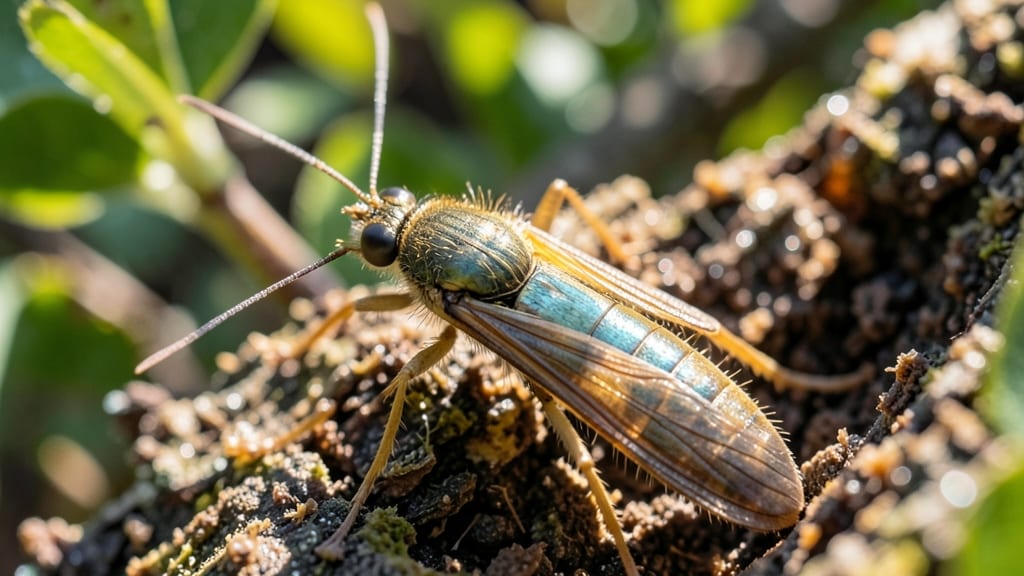
When your peach tree suddenly wilts despite perfect care, fruit tree borer treatment is likely the key to saving it. 🌳 These wood-boring pests tunnel through branches, disrupting water flow and causing irreversible damage if untreated. The drill-and-fill method offers a foolproof organic rescue that works even on mature trees.
Identifying the problem starts with spotting sawdust-like frass at branch junctions or oozing sap. Once confirmed, the solution involves drilling out the larvae, filling the holes with a disease-resistant organic putty, and sealing with pruning paint. This method stops the spread while promoting faster healing than chemical treatments alone.
You’ll see immediate improvement in branch vitality within 2-4 weeks, with new growth emerging as the tree recovers its strength. The key is acting fast—borers multiply rapidly, so early intervention prevents permanent damage to your harvest.
Works for apples, cherries, citrus, and stone fruits alike. This approach combines precision with organic safety, ensuring your tree stays productive for years. Let’s get your tree back to full health.
Root Causes Of Borer Infestations
Fruit tree borers—those sneaky, wood-boring pests—don’t just appear out of nowhere. Their arrival is often tied to a mix of environmental stress, poor tree health, and even human activity.
Understanding why these pests target your fruit trees is the first step to stopping them before they cause irreversible damage. Here’s a breakdown of the key triggers:
Borer larvae thrive in trees that are already struggling. When a fruit tree’s immune system is compromised, it becomes an easy target. Here’s what makes trees vulnerable:
- Nutrient Deficiencies: Trees lacking essential nutrients (like nitrogen, potassium, or calcium) produce weak, brittle wood—perfect for borers to tunnel through. Example: Yellowing leaves or stunted growth can signal a nutrient imbalance.
- Water Stress: Overwatering or drought both create stress. Too much moisture softens wood, making it easier for larvae to bore in, while drought weakens the tree’s ability to fight off pests.
- Physical Damage: Cracks, splits, or wounds from pruning, hail, or machinery provide entry points. Borers detect these weak spots and lay eggs nearby, ensuring their larvae have direct access.
Actionable Tip: Regularly inspect your trees for signs of stress—uneven growth, wilting, or unusual holes—and address deficiencies with balanced fertilizers or proper irrigation.
Borer populations explode under specific conditions, often linked to climate and habitat. These factors create the perfect breeding ground:
- Warm, Humid Climates: Most fruit tree borers (like the peach tree borer or emerald ash borer) prefer temperatures between 70–90°F (21–32°C). Heat and humidity speed up their life cycle, allowing multiple generations per year.
- Dying or Declining Trees: Borers are opportunistic scavengers. They’re drawn to trees already stressed by disease (e.g., fire blight, canker), poor soil, or age-related decline. A tree on its last legs? Borers will move in.
- Lack of Natural Predators: Healthy ecosystems have birds, parasitic wasps, and beetles that keep borer populations in check. Monoculture orchards (single-species plantings) or urban settings with few predators create a borer-free-for-all.
Pro Tip: Plant diverse species near your fruit trees to attract predator insects. Mulching with wood chips can also encourage beneficial fungi and microbes that deter borers.
Sometimes, well-meaning gardening practices accidentally create a borer buffet. Here’s how humans unintentionally aid these pests:
- Improper Pruning: Cutting too late in the season (when wounds are slow to heal) or using dirty tools can introduce pathogens and borer eggs. Example: Sawing branches without sterilizing the blade spreads infestations.
- Overuse of Broad-Spectrum Pesticides: Chemicals that kill beneficial insects (like ladybugs or lacewings) disrupt the ecosystem, allowing borer populations to surge unchecked.
- Ignoring Early Warning Signs: Sawdust-like frass (borer poop) at the base of trees or D-shaped exit holes are red flags. Delaying action lets infestations spread underground, where they’re harder to treat.
Key Insight: Always prune in dormant season (late winter/early spring), sterilize tools with rubbing alcohol, and use targeted pesticides (like neem oil or kaolin clay) to protect good bugs.
By addressing these root causes—strengthening tree health, managing the environment, and avoiding common gardening pitfalls—you can dramatically reduce the risk of borer attacks. The next step? Learning how to treat an existing infestation before it’s too late.
Fixing Fruit Tree Borer Damage
Once you’ve identified the signs of fruit tree borers gnawing away at your trees, it’s time to act—before the damage spreads. The good news? With the right approach, you can save your tree and restore its health.
Below, we break down practical, step-by-step solutions tailored to the root causes of infestation, from immediate fixes to long-term prevention.
The most critical step is eliminating the borers before they kill your tree. Here’s how to do it organically and effectively:
🔪 Locate and Kill the Larvae
- Find the entry holes – Look for small, oval-shaped holes (about 1/8" wide) in the bark, often oozing sap or sawdust-like frass.
- Drill into the tunnels – Use a sterilized 3/16" or 1/4" drill bit (or a stiff wire if you don’t have a drill) to bore into the holes. You’ll feel resistance when you hit the larvae.
- Kill the borers – Inject a homemade organic pesticide (see below) or beneficial nematodes into the tunnels to suffocate the larvae.
🍳 Organic Drill-and-Fill Solution (DIY Recipe)
Mix these in a small spray bottle or dropper:
- 1 part horticultural oil (or neem oil)
- 1 part water
- 1 tsp dish soap (as an emulsifier)
Why it works: The oil smothers larvae, while the soap helps the mixture cling to the tunnel walls.
⏰ Timing Matters
- Best time to treat: Late spring to early summer (when larvae are young and vulnerable).
- Repeat in 7–10 days to ensure all borers are dead.
Borers target weak or stressed trees. After removing the infestation, boost your tree’s immunity with these low-effort fixes:
💧 Hydration & Soil Health
- Water deeply but infrequently – Overwatering weakens roots; 1–2 inches per week (adjust for climate).
- Mulch properly – Apply 2–4 inches of organic mulch (wood chips, straw) to retain moisture and improve soil.
🍎 Nutrient Boost (Natural Fertilizers)
- Compost tea or worm castings – Sprinkle around the base to enhance soil microbes.
- Epsom salt (magnesium sulfate) – Mix 1 tbsp per gallon of water and apply to the soil to strengthen cell walls.
🌡️ Avoid Stress Triggers
- Prune correctly – Remove dead or crossing branches (but don’t over-prune).
- Avoid heavy fertilizer – Too much nitrogen attracts borers; opt for balanced organic fertilizers.
The best treatment? Stopping borers before they start. Here’s how to keep your trees borer-free long-term:
🐛 Natural Predators & Barriers
- Encourage birds & bats – They eat borer adults; install bat houses or bird feeders near trees.
- Apply kaolin clay – A non-toxic, white clay spray that disorients adult borers before they lay eggs.
🌿 Tree Health Maintenance
- Inspect regularly – Check for new holes or sawdust every 2–4 weeks during growing season.
- Seal wounds quickly – If you prune, use pruning paint (optional) or beeswax to prevent entry points.
🎯 Pro Tip: Early Detection Saves Trees!
- Look for:
- Sap oozing from cracks
- Wilting leaves (even if soil is moist)
- Frass (sawdust-like debris) at the base of the trunk
If your tree is large, severely damaged, or in a high-value orchard, consider hiring an arborist for:
- Deep drilling in hard-to-reach areas
- Systemic treatments (like Bt spray for young larvae)
- Structural support if the tree is weakened by borers
Final Thought: With prompt action and preventative care, your fruit tree can bounce back stronger than ever. The key? Act fast, reinforce health, and stay vigilant! 🌳💪
Frequently asked questions
How do I know if my fruit tree has borers?
Look for sawdust-like frass (borer poop) near branch junctions, D-shaped exit holes in bark, or oozing sap. Wilting branches despite proper watering are another red flag. Check the base of the trunk and branch crotches first—these are favorite entry points.
Can I use chemical pesticides for fruit tree borers?
Yes, but organic methods are safer for fruit production. Permethrin-based sprays or imidacloprid (systemic insecticide) work well, but follow label instructions carefully. For organic options, neem oil or Bt (Bacillus thuringiensis) spray targets larvae without harming beneficial insects. Always apply when larvae are young (late spring/early summer).
Will pruning alone stop borer damage?
No—pruning removes already damaged branches, but won't kill larvae inside healthy wood. Always drill out tunnels first, then prune 2–3 inches below the infested area. Sterilize tools with rubbing alcohol to prevent spreading eggs. For severe cases, combine drilling with organic treatments for best results.
How often should I check my trees for borers?
Inspect every 2–4 weeks during growing season (April–October), focusing on branch crotches and trunk bases. After treatment, check weekly for 4 weeks to confirm larvae are gone. Healthy trees need monthly checks as prevention. Use a flashlight to spot small holes in bark.