
Fertilization
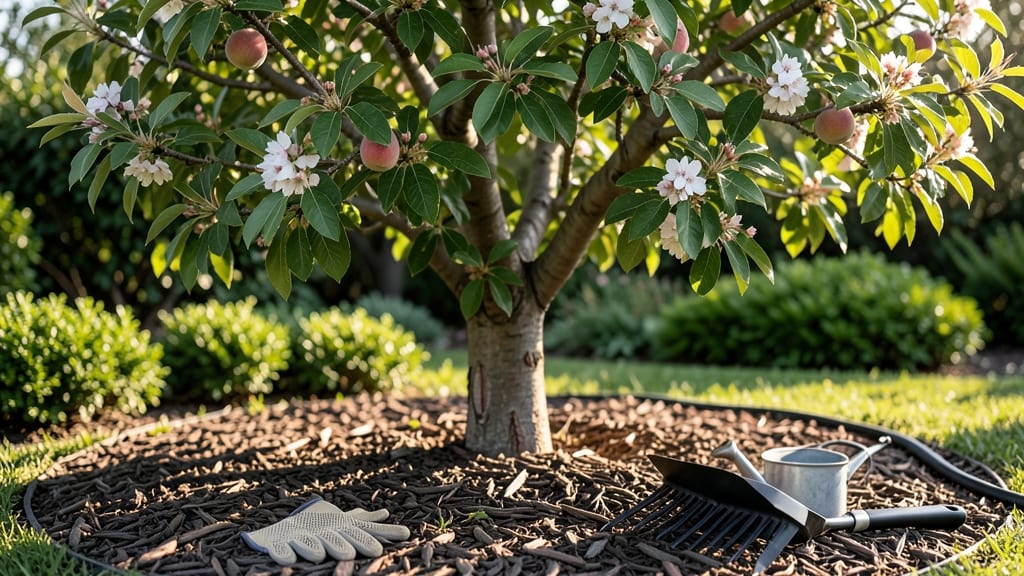
A peach tree fertilization schedule is the key to turning a sparse harvest into a lush, fruit-bearing tree 🍑 — and the timing matters more than most gardeners realize.
Picture this: You’ve spent months nurturing your peach tree, only to watch it produce a handful of underwhelming peaches while your neighbor’s tree bends under the weight of ripe fruit. The difference? A precise feeding plan that matches the tree’s growth stages, not just a random sprinkle of fertilizer.
In this guide, I’ll break down the exact when, what, and how of fertilizing your peach tree, from early spring bud swell to the quiet of winter dormancy.
You’ll learn which nutrients to prioritize at each stage, how to spot signs of over- or under-feeding, and even how to adjust for your climate zone.
Whether you’re a first-time peach grower or a seasoned orchard keeper, these season-by-season tips will help you feed your tree the right way—so you’re the one with the overflowing harvest basket by August.
Seasonal peach tree fertilizer application: when and what to use for optimal growth
Peach trees thrive when fed the right nutrients at the right time—spring kickstarts growth, summer maintains vigor, and fall prepares them for dormancy. A precise fertilization schedule ensures your tree produces abundant, high-quality fruit while avoiding common pitfalls like over-fertilization or nutrient imbalances.
Let's break down the seasonal approach to keep your peach tree healthy and productive year-round.
Fertilizers are typically labeled with NPK ratios (Nitrogen-Phosphorus-Potassium), and peach trees benefit from a balanced 10-10-10 or 12-12-12 formula during active growth. However, organic options like compost, manure, or bone meal can provide slow-release nutrients that mimic natural soil conditions.
The key is timing—over-fertilizing in late summer can stimulate weak growth that won’t harden off before winter, while skipping spring fertilization may stunt early-season development.
Soil testing is your first step—most peach trees prefer a slightly acidic to neutral pH (6.0-7.0). If your soil lacks organic matter, amend it with compost before applying synthetic fertilizers. For established trees, a 3-inch layer of compost around the drip line in early spring can provide foundational nutrients without the risk of burn.
Here’s a seasonal fertilization schedule tailored for optimal peach tree growth, including organic and synthetic options:
| Season | Best Fertilizer Type | NPK Ratio (Synthetic) | Organic Alternative | Application Time | Key Focus |
|---|---|---|---|---|---|
| Spring (March-April) | Synthetic or Organic | 10-10-10 or 12-12-12 | Compost + 5-5-5 | Early spring (bud swell) | Root and leaf growth |
| Summer (June-July) | Light synthetic or organic | 5-5-5 or 7-7-7 | Fish emulsion or worm castings | Mid-summer (after harvest) | Fruit development |
| Fall (September-October) | None (skip) | N/A | Compost only (no N) | Late fall (hardening off) | Pre-winter root health |
| Winter (November-February) | None (dormant) | N/A | None | N/A | Soil rest and nutrient storage |
In early spring, as buds begin to swell, apply a balanced fertilizer like 10-10-10 to fuel new growth. For organic gardeners, a mix of compost and aged manure works wonders. Spread fertilizer in a 3-foot ring around the tree’s drip line, then water deeply to activate nutrients.
Avoid placing fertilizer directly against the trunk, as this can cause root burn.
During summer, shift to a lower-nitrogen formula (like 5-5-5) to encourage fruit development rather than leafy growth. Organic options such as fish emulsion or worm castings provide micronutrients without overstimulating the tree. Apply this feed after harvest to support recovery and prepare for next year’s fruit set.
Fall is all about preparing for dormancy. Skip synthetic fertilizers entirely, but you can still top-dress the soil with compost or leaf mold to improve soil structure.
This helps the tree store nutrients for winter and reduces stress during cold months. Over-fertilizing in fall can lead to late-season growth that’s vulnerable to frost damage.
Winter is a hands-off season for fertilization. Your peach tree is dormant, and feeding it now can disrupt its natural cycle. Instead, focus on mulching with straw or wood chips to insulate roots and retain moisture.
If you notice yellowing leaves or stunted growth in early spring, it might be time for a soil test to check for deficiencies.
Signs your peach tree needs fertilizer: how to diagnose nutrient deficiencies before they affect fruit
If your peach tree isn’t producing fruit like it used to—or worse, its leaves are turning yellow or falling off—it might be screaming for nutrients. Nutrient deficiencies often show up visually before they impact your harvest, and catching them early can save your tree (and your peach harvest).
The key is learning to read your tree’s symptoms like a pro.
Start by inspecting the leaves and branches. Yellowing leaves, especially on younger growth, often signal nitrogen deficiency. Meanwhile, purple or reddish leaves can indicate phosphorus shortages, while weak, spindly branches might mean your tree isn’t getting enough potassium.
These visual cues are your tree’s way of telling you it’s time to adjust your fertilization schedule.
⚠️ callout-warning
Too much fertilizer can burn roots and reduce fruit quality. If your peach tree’s leaves turn brown at the edges or growth stalls suddenly, you may be overdoing it. Soil testing (costs ~$20) is the best way to avoid this mistake.
Action Step: Reduce fertilizer by half and water deeply to flush excess salts from the soil.
Don’t ignore poor fruit set either—this is a classic sign your tree lacks nutrients. If your peach tree blooms beautifully but drops flowers or produces tiny, underdeveloped fruit, it’s likely missing phosphorus or zinc.
These micronutrients are crucial for flower development and fruit formation, and deficiencies often go unnoticed until harvest time.
Another red flag? Stunted new growth or small, weak leaves. This often means your tree isn’t getting enough micronutrients like iron, manganese, or magnesium.
Unlike nitrogen or potassium, these deficiencies don’t always show up in soil tests—you’ll need to inspect leaves closely for yellowing between veins (a classic iron deficiency sign) or brown spots (magnesium deficiency).
To confirm your suspicions, grab a soil test kit (available at garden centers for ~$15). This will tell you exactly what nutrients your soil is missing, so you can tailor your fertilizer instead of guessing.
For example, if your test shows low potassium levels, switch to a fertilizer with a higher second number (e.g., 10-20-20) to boost fruit production.
Once you’ve diagnosed the issue, adjust your fertilization schedule. For nitrogen deficiencies, apply a balanced fertilizer (like 10-10-10) in early spring. For phosphorus or potassium shortages, use a specialized formula in late spring or early summer.
And if micronutrients are the problem, consider a chelated micronutrient spray for quick absorption.
Remember, prevention is key. Mulch your peach tree annually with compost to improve soil health long-term, and avoid over-fertilizing. A happy, well-fed tree will reward you with juicy peaches for years to come! 🍑