
Pruning
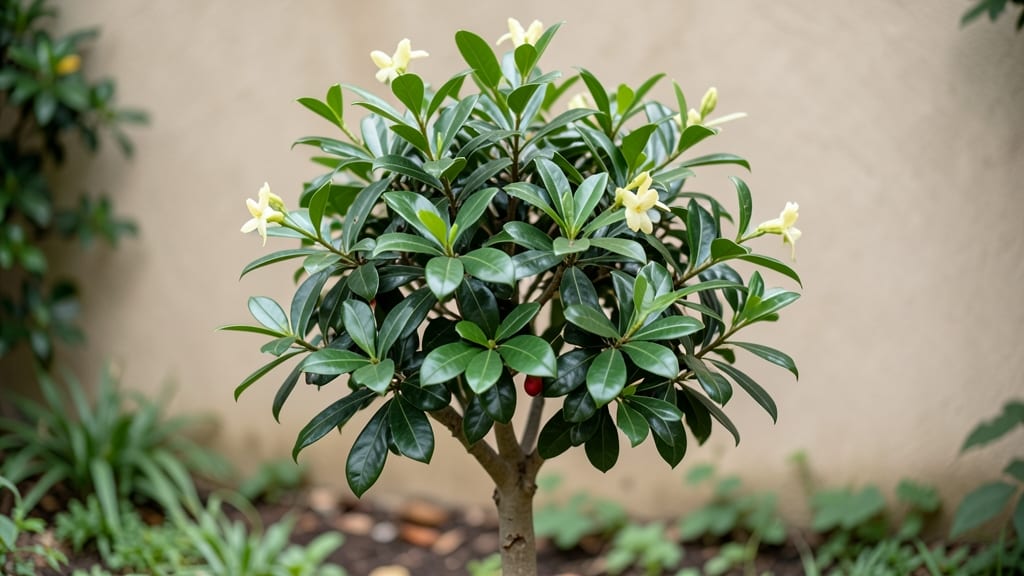
Growing a cinnamon tree indoors means waking up to the scent of spice every morning. 🌿 My first attempt nearly died from too much water, but now I’ve got a thriving 3-foot tree that smells like a holiday kitchen—even in my tiny apartment.
The key? Mimicking its tropical home with bright, indirect light and just the right amount of moisture.
You’ll need a pot with drainage, well-draining soil, and a spot near a south-facing window (or a grow light for 12+ hours daily). Water when the top inch feels dry, but never let it sit in soggy soil—root rot is the silent killer of these trees.
Prune leggy stems in early spring to encourage bushier growth, and watch as glossy new leaves unfurl within weeks.
By year two, your tree will reward you with fragrant leaves perfect for teas or baking. The aroma alone makes it worth the effort, but the real magic? Harvesting your own spice without ever leaving home. Even my black thumb can’t kill this one once you get the basics right.
Works for any sunny indoor space—balconies, sunrooms, or even a well-lit bedroom. Just avoid drafts, and you’ll have a living spice rack that grows back every year. Let’s get that pot ready!
📚 In This Guide
- What you need
- Instructions
- Tips and common mistakes
- Wrapping up and next steps
What you need
- ● Cinnamon Tree Seedling or Cutting: 1 healthy Cinnamomum verum (true cinnamon) or Cinnamomum burmannii (Indonesian cinnamon) plant (3–6 inches tall for best results).
- ○ Optional: Pre-germinated seeds (if starting from scratch).
- ● Pot: 1 well-draining ceramic or terracotta pot (10–12 inches in diameter) with drainage holes.
- ○ Optional: Self-watering pot for convenience.
- ● Potting Mix: 1 bag (5–10 quarts) of well-draining, slightly acidic mix (pH 5.5–6.5). Blend: 60% peat moss or coco coir
- ● 30% perlite or pumice
- ● 10% compost or worm castings
- ● Pruning Tools: 1 pair of sterilized, sharp pruning shears (for shaping and harvesting).
- ● 1 small hand pruner (for delicate trimming).
- ● 1 rubbing alcohol (70% or higher) for sterilizing tools.
- ● Support & Accessories: 1 bamboo stake or small trellis (4–6 feet tall, for structural support as it grows).
- ● 1 spray bottle (for misting leaves).
- ● Grow Lights: 1 full-spectrum LED grow light (12–15 inches above the plant for 12–14 hours/day).
- ● Humidity Trays: 1 pebble tray with water (to maintain 60–70% humidity).
- ● Fertilizer: 1 balanced liquid fertilizer (10-10-10 or 20-20-20, diluted to half-strength).
- ○ Optional: Slow-release organic pellets (like fish emulsion or seaweed extract).
- ● Mulch: 1 layer of organic mulch (like shredded bark) to retain moisture.
- ● Harvesting Kit: 1 small knife or pruning scissors (for harvesting bark strips).
- ● 1 food-safe drying rack (if you plan to process cinnamon sticks).
Step-by-step instructions for growing a cinnamon tree indoors
Here’s how to nurture a fragrant cinnamon tree in your home—no greenhouse needed.
🌱 Step 1: Choose the Right Variety and Starting Material
For indoor growing, select a dwarf variety like Cinnamomum verum or Cinnamomum burmannii, which stay compact (under 6 feet tall). You can start from seeds, but they take 2-3 years to produce bark. Instead, buy a 3-4 year old sapling from a specialty nursery—it’ll already have a trunk and be ready to grow indoors.
If you’re growing from seed, soak them in warm water for 24 hours first. Plant ½ inch deep in a small pot with well-draining soil (more on that next). Keep the soil moist but not soggy, and place the pot in a warm, bright spot (like a sunny windowsill). Germination takes 4-8 weeks—be patient!
🪴 Step 2: Set Up the Perfect Pot and Soil Mix
Use a 10-12 inch pot with drainage holes—cinnamon trees hate soggy roots. Fill the bottom 2 inches with perlite or coarse sand to improve drainage. For soil, mix equal parts potting mix, peat moss, and compost (this keeps it airy and fertile). Avoid garden soil—it compacts and suffocates roots.
After planting, water lightly until moisture seeps from the drainage holes. Let the top 1 inch of soil dry out between waterings. Overwatering is the #1 killer of indoor cinnamon trees—stick your finger in the soil to check before watering again.
☀️ Step 3: Place in Bright, Indirect Light
A cinnamon tree needs bright, indirect light for 6-8 hours daily. A south- or west-facing window is ideal, but avoid harsh afternoon sun, which scorches leaves. If your home lacks natural light, supplement with a grow light (keep it 12-18 inches away from the plant).
Rotate the pot quarter-turn weekly so the tree grows evenly. You’ll notice leaves leaning toward the light? That’s your cue to adjust the pot’s position. Yellowing leaves mean too much direct sun—move it back a few feet.
💧 Step 4: Maintain Humidity and Fertilize Lightly
Cinnamon trees thrive in 50-70% humidity. In dry homes, place the pot on a pebble tray filled with water (keep the tray’s base elevated so roots don’t sit in water). Mist the leaves 2-3 times weekly—but avoid wetting the bark, which can cause rot.
Feed with a balanced liquid fertilizer (10-10-10) every 4-6 weeks during spring and summer. Reduce feeding in fall and winter when growth slows. Over-fertilizing burns roots—always dilute fertilizer to half-strength unless the label says otherwise.
✂️ Step 5: Prune and Harvest for Year-Round Spice
Prune in early spring to shape the tree and encourage bushiness. Use sterilized pruning shears to trim back ⅓ of the new growth from the previous season. Seal cuts with cinnamon powder (yes, really!) to prevent infection and add a subtle scent.
Harvest bark when the tree is 3-4 years old (for younger trees, wait until it’s 6 feet tall). Make shallow cuts in the bark, then peel off thin strips. Dry them in a warm, dark place for 2-3 weeks until fragrant and crisp. Store in an airtight container—your kitchen will smell like a spice market!
Tips & tricks for perfect indoor cinnamon tree growth
Growing a fragrant cinnamon tree indoors takes patience, but these tricks will help you avoid common pitfalls and maximize your tree's potential.
Starting Material: If you choose seeds instead of a sapling, don't be discouraged by the 2-3 year wait for bark production. The 24-hour warm water soak is crucial—it softens the hard seed coat and dramatically improves germination rates. I've found that using a heat mat under the seed tray can cut germination time from 4-8 weeks down to 3-5 weeks by keeping soil temperatures consistently around 75°F.
Pot and Soil Setup: The 2-inch layer of perlite or coarse sand at the bottom of your 10-12 inch pot isn't just for drainage—it creates an air pocket that prevents root rot. I always add a handful of activated charcoal to the soil mix to further prevent fungal issues. When mixing equal parts potting mix, peat moss, and compost, make sure the compost is well-aged—fresh compost can burn young roots.
Light Management: Those critical 6-8 hours of bright, indirect light are non-negotiable. I've learned the hard way that even a few hours of direct afternoon sun can scorch leaves permanently. For windows without southern exposure, a full-spectrum LED grow light on a timer (12-14 hours daily) works wonders. The quarter-turn weekly rotation is essential—it prevents that lopsided growth where the tree leans toward the light source.
Humidity and Fertilizer: The 50-70% humidity range is ideal, but achieving it in dry climates can be tricky. I place my pebble tray on top of a larger saucer filled with water and pebbles, then set the pot on that. For misting, I use a spray bottle with distilled water to avoid mineral buildup on leaves. When fertilizing, I always mix my 10-10-10 fertilizer with water first, then add it to the pot—this prevents root burn from concentrated fertilizer.
Pro Tips for Cinnamon Tree Indoors
- Growing a fragrant cinnamon tree indoors takes patience, but these tricks will help you avoid common pitfalls and maximize your tree's potential.
- Starting Material: If you choose seeds instead of a sapling, don't be discouraged by the 2-3 year wait for bark production.
- Pot and Soil Setup: The 2-inch layer of perlite or coarse sand at the bottom of your 10-12 inch pot isn't just for drainage—it creates an air pocket that prevents root rot.
Frequently asked questions
Got questions about growing a cinnamon tree indoors? You’re not alone! Here are answers to some of the most common concerns to help you cultivate your spice-filled green thumb with confidence.
How much light does a cinnamon tree need indoors?
A cinnamon tree thrives in bright, indirect light—think east or south-facing windows. If natural light is scarce, supplement with a grow light (12–14 hours/day) to mimic tropical conditions. Avoid harsh direct sun, which can scorch its glossy leaves. Watch for yellowing leaves as a sign it needs more light!
How long does it take for an indoor cinnamon tree to produce spice?
Patience is key! A young cinnamon tree (like Cinnamomum verum) may take 3–5 years to bear fruit indoors. Focus on nurturing healthy growth first—prune regularly, fertilize lightly (every 2–3 months), and maintain humidity. Smaller varieties (like Cinnamomum burmannii) may yield cinnamon sticks faster, but expect a decade or more for full harvest potential.
Why are my cinnamon tree’s leaves turning brown or dropping?
Brown edges or dropping leaves usually signal overwatering, underwatering, or low humidity. Check the soil—it should stay slightly moist but never soggy. Mist leaves weekly or use a pebble tray to boost humidity (ideal: 50–70%). Yellow leaves? It might need more light or less water. Pro tip: Tap leaves gently—if they crunch, it’s too dry!
Can I grow a cinnamon tree from a store-bought cinnamon stick?
While it’s possible, it’s challenging and slow. Cinnamon sticks are often made from dried bark, not viable seeds. For better success, propagate from cuttings (6-inch stems with leaves) in water or soil. Alternatively, buy a young tree from a nursery specializing in tropical plants—just ensure it’s labeled Cinnamomum (not a lookalike like Cinnamomum camphora, which lacks spice!).
Do I need to prune my indoor cinnamon tree, and when?
Yes! Prune in early spring to shape the tree, remove dead branches, and encourage bushier growth. Use sterilized pruning shears to cut just above a leaf node (where new growth emerges). Avoid heavy pruning—cinnamon trees are sensitive. Bonus: Save cuttings to propagate new plants!
Wrapping up and next steps
Growing a cinnamon tree indoors isn’t just a rewarding hobby—it’s a delicious way to bring a tropical touch to your home while enjoying fresh spice year-round! 🌿 With the right care, pruning, and a little patience, you’ll harvest fragrant leaves and even cinnamon sticks in no time.
Whether you’re a seasoned gardener or a beginner, this spice-filled adventure is well within reach.
Ready to take the next step? Start by choosing your variety, gathering your tools, and giving your cinnamon tree the love it deserves. Watch it thrive, and soon, you’ll be sprinkling homegrown cinnamon on everything from oatmeal to cocktails—that’s the sweet smell of success! 🌟