
Pruning
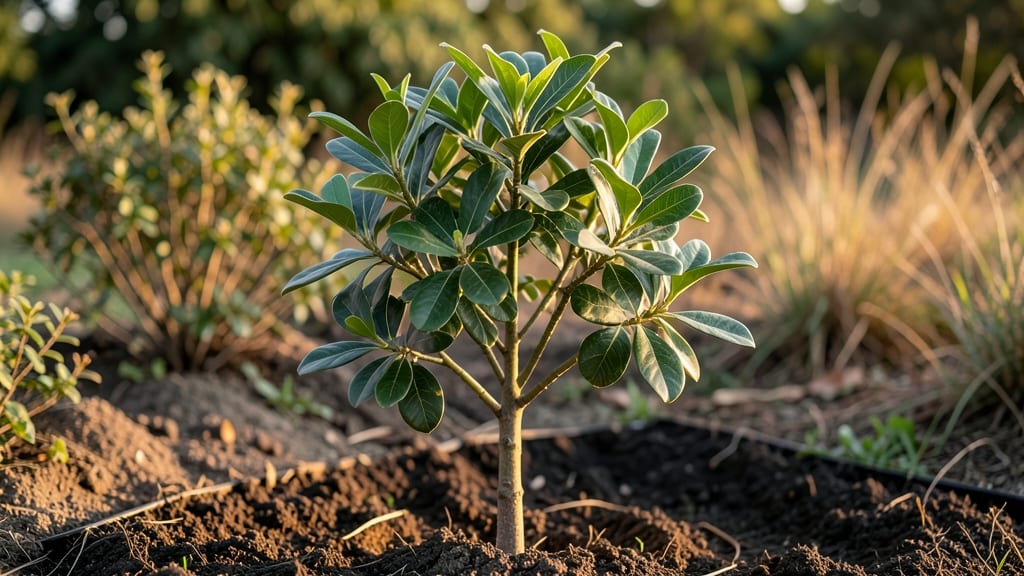
Growing a loquat tree from seedling feels like nurturing a slow-motion miracle—those first leaves emerge after weeks of patience, and the payoff comes years later. 🌱 The warm-soil trick cuts germination time nearly in half, turning a months-long wait into a 6-8 week process with the right setup.
Loquats thrive in subtropical climates but start strong in containers before transplanting. You'll need a heat mat, well-draining soil mix, and a sunny spot—no fancy equipment, just consistent warmth and moisture. The key is keeping soil between 75-85°F until sprouts appear, which feels like babysitting a tiny tropical plant.
Once those first leaves unfurl, you'll watch the seedling grow into a sturdy sapling with glossy foliage. Pruning isn't critical at this stage, but pinching back leggy growth encourages bushier development.
The real magic happens when you transplant outdoors after the last frost—root systems strengthen, and the tree prepares for its decades-long journey to fruiting. This method works best in zones 8-11, but container-growing extends it to cooler areas. The secret? Patience.
Your first harvest won't come for 3-5 years, but every pruning and watering brings you closer to that moment when golden loquats dangle from your own tree.
📚 In This Guide
- What you need
- Instructions
- Tips and common mistakes
- Wrapping up and next steps
What you need
- ● Loquat seeds: 3–5 fresh, plump seeds (harvested from ripe fruit)
- ● Seed-starting mix: 1 small bag (1–2 qt) of sterile, well-draining potting soil (or coconut coir)
- ● Small pots or seed trays: 3–5 biodegradable pots (2–3 inches deep) or a shallow tray with drainage holes
- ● Plastic wrap or humidity dome: To retain moisture (clear plastic wrap or a mini greenhouse lid)
- ● Spray bottle: For gentle watering (avoid over-saturating seeds)
- ○ Heat mat (optional but recommended): A small, adjustable heat mat (70–85°F range) to mimic warm soil conditions
- ● Grow lights or sunny windowsill: A bright, indirect light source (6+ hours/day)
- ● Fertilizer (after germination): Balanced liquid fertilizer (5-5-5 or 10-10-10, diluted to half-strength)
- ● Seed scarification tool: Sandpaper or a knife to lightly nick seeds (speeds up germination)
- ● pH testing kit: Ensures soil pH is 5.5–6.5 (ideal for loquat seedlings)
- ● Humidity tray: A shallow tray with pebbles to elevate pots and boost humidity
- ● Label markers: To track seedling progress (loquat seeds can take 2–4 weeks to sprout!)
Step-by-step instructions for germinating loquat tree seeds
Here’s how to coax stubborn loquat seeds into sprouting—using a warm-soil trick that cuts germination time in half.
🌱 Step 1: Select and Prepare the Seeds
Choose plump, firm seeds from fully ripe loquat fruit—they’re the most viable. I always rinse them thoroughly under cool water to remove any pulp residue, then soak them in a bowl of lukewarm water for 24 hours. This softens the outer coating and kickstarts hydration before planting.
After soaking, gently rub the seeds between your fingers to remove any remaining gel-like coating. This ensures moisture can penetrate the seed shell. I like to use a soft paper towel to pat them dry lightly—they shouldn’t be dripping, but they should feel damp to the touch.
💧 Step 2: Create the Warm-Soil Germination Setup
Fill a small container—like a 4-inch plastic nursery pot—with a mix of 50% sterile potting soil and 50% perlite. The perlite keeps the mix airy while retaining warmth. Place the container on a seedling heat mat set to 80-85°F—loquat seeds need this consistent warmth to germinate.
Plant the seeds ½ inch deep in the soil, spacing them 1 inch apart. I use a toothpick to poke small holes, then drop the seeds in gently. Cover them lightly with additional soil, but don’t pack it down—you want the soil to feel like a damp sponge, not wet concrete.
☀️ Step 3: Maintain Moisture and Warmth
Keep the soil surface evenly moist by misting it lightly every 2-3 days—never let it dry out completely, but avoid soggy conditions. The heat mat should stay on 24/7 until you see sprouts, which usually takes 3-6 weeks. If the soil surface dries too quickly, cover the pot with plastic wrap to trap humidity.
Once the first sprouts appear, remove the plastic wrap immediately to prevent fungal growth. Place the pot under a grow light or in a spot with bright, indirect light—direct sun can scorch the delicate seedlings. You’ll know they’re getting enough light when the leaves stay a vibrant green, not pale or yellowing.
🌿 Step 4: Transplant When Seedlings Are Strong
After 4-6 weeks, when seedlings develop 2-3 sets of true leaves (not just the initial seed leaves), it’s time to transplant. Gently remove them from the nursery pot, being careful not to damage the roots. I use a small trowel to loosen the soil around the edges first.
Plant each seedling in its own 6-inch pot filled with well-draining potting mix. Bury the stem up to the first set of true leaves—this encourages stronger root growth. Water lightly after transplanting, and place the pots in a warm, shaded area for 1 week to help them adjust.
Tips & tricks for perfect loquat tree seedling germination
Here's what I learned after struggling with stubborn loquat seeds—these tricks will help you cut germination time and avoid common pitfalls.
Seed Selection: The 24-hour soaking time is critical, but don't overlook seed quality first. I've found that seeds from fully ripe fruit with thick, firm flesh germinate most reliably. Look for seeds that feel heavy for their size—this indicates a well-developed embryo inside. After soaking, if you notice any seeds floating, discard them immediately as they're non-viable. The ones that sink are your best candidates for successful germination.
Temperature Precision: While the instructions specify 80-85°F for your heat mat, I recommend using a thermometer to monitor the soil temperature. Loquat seeds are particularly sensitive to temperature fluctuations—even a 5°F drop can delay germination by weeks. Place your thermometer probe about 1 inch deep in the soil to get an accurate reading of what your seedlings are actually experiencing. If your home stays cooler than 70°F, consider using a small greenhouse or clear plastic dome to create a microclimate that maintains consistent warmth.
Moisture Management: The 2-3 day misting schedule works well, but I've discovered a subtle technique that prevents mold while maintaining moisture: use a spray bottle with a fine mist setting and apply water to the sides of the container rather than directly on the soil surface. This creates a more even moisture distribution without creating soggy spots. For the first week after planting, I also recommend checking moisture levels twice daily—loquat seeds are particularly sensitive to drying out during their critical first week of germination.
Light Transition: When you first see sprouts, removing the plastic wrap is essential, but don't rush to move them to bright light immediately. I've found that seedlings benefit from a gradual transition: place them under indirect light for the first 3-4 days after sprouting, then slowly increase light exposure. This helps prevent the delicate seedlings from developing leggy stems as they reach for light too quickly. A simple way to create indirect light is to place the pot near an east-facing window or use a sheer curtain to diffuse direct sunlight.
Pro Tips for Loquat Tree Seedling
- Here's what I learned after struggling with stubborn loquat seeds—these tricks will help you cut germination time and avoid common pitfalls.
- Seed Selection: The 24-hour soaking time is critical, but don't overlook seed quality first.
- Temperature Precision: While the instructions specify 80-85°F for your heat mat, I recommend using a thermometer to monitor the soil temperature.
Frequently asked questions
Got questions about growing loquat tree seedlings? You’re not alone! Here are answers to the most common queries to help you succeed—from germination to care.
How long does it take for loquat seeds to germinate?
With the warm-soil trick, germination typically happens in 2–4 weeks. Keep soil consistently warm (75–85°F) and moist—patience is key! If no sprouts appear after 6 weeks, try soaking seeds overnight to soften the hard outer shell.
Can I grow a loquat tree from seed in cold climates?
Yes, but start seeds indoors 8–10 weeks before last frost using a heat mat. Seedlings are frost-sensitive; transplant only after soil warms to 60°F+. In zones below 8, grow in containers and overwinter indoors or use a greenhouse.
What’s the fastest way to germinate stubborn loquat seeds?
Try scarification: Rub seeds gently with sandpaper or nick the shell with a knife to break dormancy. Soak in warm water for 24 hours, then plant 1/4-inch deep in moist, warm soil. A seedling heat mat (or a warm, sunny windowsill) speeds up sprouting.
How do I know if my loquat seedling is healthy?
Healthy seedlings have vibrant green leaves, firm stems, and no yellowing. Check for pests (aphids, spider mites) and fungus (powdery mildew) on undersides of leaves. Overwatering causes wilting—let soil dry slightly between waterings.
Will my seed-grown loquat tree produce fruit?
Yes, but it may take 3–5 years (vs. grafted trees, which fruit sooner). Seedlings can be less predictable in fruit quality—choose disease-resistant varieties like ‘Big Jim’ or ‘Champagne’ for better results. Grafting onto a rootstock later can also improve fruit production.
Wrapping up and next steps
Growing a loquat tree seedling from scratch is a rewarding journey that combines patience, care, and a little warmth! With the right soil, timing, and techniques—like the warm-soil trick—you’ll soon see those first tender sprouts breaking through.
Whether you’re a seasoned gardener or a beginner, each seed you nurture could one day bear sweet, fragrant fruit.
Ready to take the next step? Start with just one seedling—plant it, monitor its progress, and soon you’ll be sharing your success (or troubleshooting tips!) with fellow plant lovers. Happy growing! 🌱✨