
Blooming
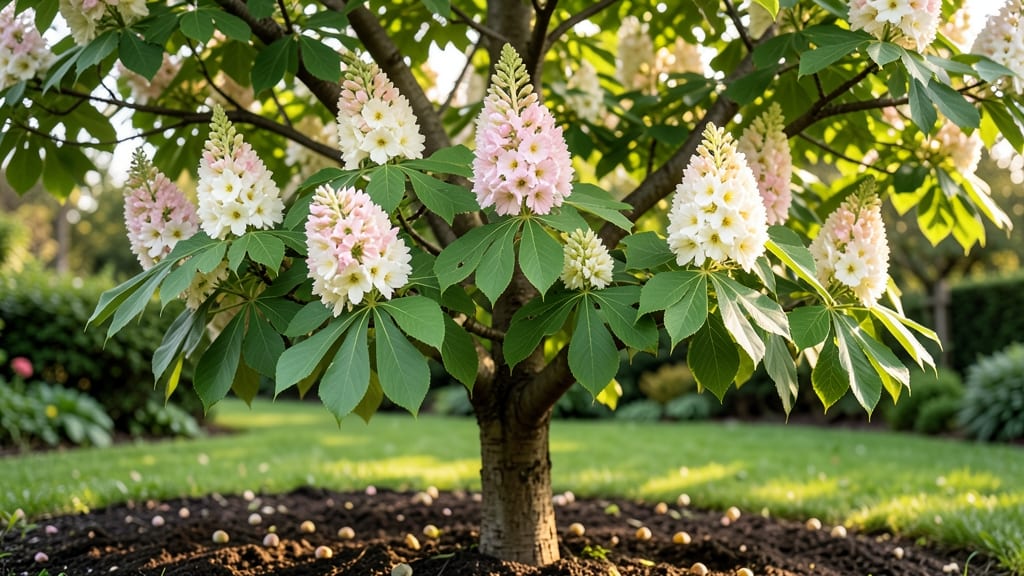
Chestnut tree blossoms transform your spring garden into a breathtaking display of delicate, candle-like flowers 🌳—but their full potential depends on the right timing, care, and variety.
Picture this: you’ve waited all winter for those first hints of spring, only to find your chestnut tree’s blossoms sparse or short-lived. The secret? Understanding when they bloom, how to nurture them, and which varieties pack the most visual punch.
In this guide, I’ll walk you through the seasonal timing of chestnut tree blossoms, the care tricks that maximize their beauty, and the top varieties for show-stopping displays. Whether you’re designing a garden layout or crafting floral arrangements, these insights will help you create a spring spectacle that lasts.
From the early bloomers to the late-season stars, you’ll discover how to pair chestnut tree blossoms with complementary plants and avoid the common mistakes that leave your tree underwhelming. Let’s get started!
When and how chestnut tree blossoms appear: seasonal timing by region and variety
Chestnut trees burst into bloom each spring with their iconic candle-like flowers, transforming gardens into stunning displays of color and texture. But timing varies dramatically depending on the variety and your USDA hardiness zone.
Understanding these differences helps you predict peak bloom periods and create the perfect backdrop for your landscape design.
The horse chestnut (Aesculus hippocastanum) typically blooms earlier than sweet chestnut (Castanea sativa), with its showy white or pink flowers appearing in late April to early May in most regions.
Meanwhile, sweet chestnut trees focus more on their catkins rather than ornamental blossoms, which appear in late spring to early summer.
Your local climate plays a critical role in bloom timing. In USDA zones 5-6, cold snaps can delay blossoms until mid-May, while zones 7-9 often see earlier blooms in March to April. Warmer microclimates near coastlines may even push blooms into February.
Here’s how to predict and optimize your chestnut tree’s bloom window based on variety and region:
For optimal bloom viewing, plant early-blooming varieties like 'Baumannii' near patios or garden paths. Its vibrant red bracts create a striking contrast with white flowers, making it a favorite for spring garden displays.
In cooler climates (zones 5-6), expect blooms to arrive slightly later due to slower soil warming.
To extend the bloom season, pair your chestnut tree with early spring bloomers like daffodils or magnolias. This creates a sequential color transition that keeps your garden vibrant from March through June.
In warmer zones (7-9), you might even see a second flush of blooms in late summer.
Monitor your tree’s bud development in late winter. Tight, plump buds indicate healthy growth, while shriveled or brown buds may signal disease or winter damage. Prune in late winter to remove dead wood and improve airflow, which encourages more abundant blossoms the following spring.
In urban landscapes, chestnut trees often bloom 1-2 weeks later due to heat island effects and pollution stress. If you’re in a city, consider planting dwarf varieties like 'Tribpartitum', which produces golden-yellow flowers and adapts better
Critical care tips to maximize chestnut tree blossom abundance and health
Your chestnut tree’s spring blossoms are its crowning glory—but achieving that lush, abundant display requires strategic care. The key lies in proper pruning, soil balance, and disease prevention, all tailored to your tree’s needs.
I’ve learned that even small adjustments in these areas can transform a sparse bloom into a breathtaking canopy of candle-like flowers.
First, let’s address the foundation: soil pH. Chestnut trees thrive in a neutral to slightly acidic range (6.0–7.5). If your soil tests outside this, amend it with lime (to raise pH) or sulfur (to lower pH).
I once had a tree with yellowing leaves and stunted blossoms—turns out, the soil was too alkaline. A simple pH adjustment in early spring made all the difference.
Organic vs. Synthetic Treatments for Chestnut Tree Health
Organic Treatments
- Neem oil – Effective against powdery mildew and pests; safe for bees
- Compost tea – Boosts soil microbes and leaf blight resistance
- Baking soda spray – Natural remedy for fungal issues (1 tsp per quart of water)
- Beneficial nematodes – Targets root-damaging larvae organically
Synthetic Treatments
- Fungicides (e.g., chlorothalonil) – Fast-acting for leaf blight but toxic to pollinators
- Systemic insecticides – Kills pests quickly but may harm beneficial insects
- Chemical fertilizers – Provides fast nutrients but disrupts soil microbiome
- Copper sprays – Effective for fungal diseases but can burn foliage if overused
Next, focus on pruning for airflow. Dense canopies trap moisture, inviting leaf blight and powdery mildew. Prune in late winter or early spring before buds swell, removing dead or crossing branches to open the canopy.
I prune my tree in February, just as the first blossoms begin to form. This not only improves airflow but also directs energy toward flower production.
Watering plays a crucial role too. While mature chestnut trees are drought-tolerant, consistent moisture during bloom season (spring) ensures vibrant flowers. Water deeply once a week, aiming for 10+ liters per tree.
Avoid overhead watering—it encourages fungal growth. Instead, use a soaker hose at the base. My tree’s blossoms were far more abundant after switching to this method.
Finally, disease prevention is non-negotiable. Powdery mildew and leaf blight are common culprits behind sparse blossoms. Start with preventative sprays in early spring, like a baking soda mixture (1 tsp baking soda + 1 quart water + a drop of dish soap).
For severe cases, organic neem oil or synthetic fungicides can save the day—but always follow label instructions.
With these care strategies, your chestnut tree will reward you with show-stopping blossoms year after year. The secret? Consistency. Small, intentional efforts in soil health, pruning, and disease management make all the difference. Happy gardening! 🌳