
Blooming
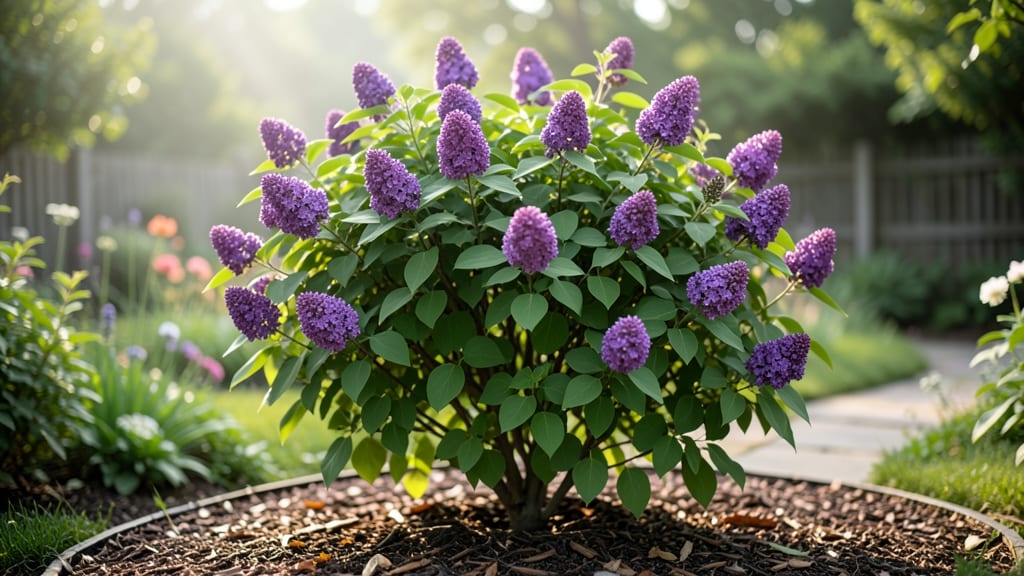
My Bloomerang Dark Purple Lilac Tree Form transforms small gardens into vertical masterpieces with its striking dark purple blooms and compact, tree-like shape. 🌿 Unlike traditional lilacs that sprawl, this variety grows in a neat, upright form—perfect for tight spaces where you want height without sacrificing style.
The blooms appear in dramatic clusters, creating a focal point that draws the eye upward and adds depth to any landscape. What makes this lilac stand out is its versatility in design.
Plant it as a standalone specimen near patios or walkways, where its height adds grandeur without overwhelming the space. Pair it with silver foliage plants like lamb’s ear or dusty miller to create a striking contrast, or tuck it alongside evergreens for year-round structure.
The dark purple blooms also pair beautifully with white or pale yellow flowers, creating a soft yet sophisticated color palette. You’ll love how this lilac thrives in full sun to partial shade, making it adaptable to various garden conditions.
With proper pruning after blooming, it stays compact and produces even more abundant flowers the following year. The fragrance is a bonus—subtle but intoxicating, adding another layer of sensory appeal to your outdoor space. For small gardens, this lilac is a game-changer.
It fills vertical space elegantly, adds seasonal interest, and requires minimal maintenance. Whether you’re designing a modern urban garden or a traditional cottage-style yard, this tree form delivers drama without the bulk. Let’s make the most of its unique charm!
📚 In This Guide
- What you need
- Instructions
- Tips and common mistakes
- Wrapping up and next steps
What you need
- ● Bloomerang Dark Purple Lilac Tree: 1 healthy, 3-5 year old tree (bare-root or potted, 4-6 feet tall). Pro tip: Check for sturdy stems and vibrant buds!
- ● Planting Hole: Twice as wide and deep as the root ball (use a spade or shovel for digging).
- ● High-Quality Soil Amendment: 5-10 lbs of compost or well-draining potting mix (avoid heavy clay).
- ● Mulch: 2-3 inches of organic mulch (e.g., shredded bark or pine needles) to retain moisture.
- ● Watering Can or Hose: With a gentle spray nozzle for post-planting hydration.
- ○ Staking Supplies (Optional but Recommended): 2 wooden or bamboo stakes (4-5 feet tall).
- ● 4-6 garden ties or soft fabric strips to secure the tree.
- ● Gloves: Heavy-duty gardening gloves to protect your hands.
- ● Pruning Shears: Sharp, sterilized shears (for shaping or cleanup).
- ● Wheelbarrow or Bucket: For mixing soil amendments (if needed).
- ● Sunlight Check: Confirm your planting spot gets full sun (6+ hours/day)—lilacs thrive in bright light!
- ● Local Planting Regulations: Verify if your area requires permits for tree planting (especially in urban gardens).
- ● Fertilizer: Slow-release balanced fertilizer (10-10-10) for the first year.
- ● Tree Guard: A plastic or metal tree collar to protect the trunk from mowers.
- ● Drip Irrigation System: For automated watering (great for small gardens!).
- ● Decorative Stones: To create a polished base around the tree.
Step-by-Step guide to planting and pruning a Bloomerang dark purple lilac tree form
This stunning vertical lilac form delivers bold color without sprawling—here’s how to plant and maintain it for years of drama.
🌱 Step 1: Choose the Perfect Planting Site for Maximum Impact
The Bloomerang Dark Purple thrives in full sun—at least 6-8 hours daily—but its deep purple blooms intensify when planted where they’ll be seen from multiple angles. I always select a spot with 6 feet of clearance around the base, since mature branches will spread 4-6 feet wide while maintaining that vertical form.
Test your soil’s drainage first—lilacs hate soggy roots. Dig a 12-inch deep hole and fill it with water; if it drains slower than 30 minutes, amend the native soil with 2-3 inches of compost mixed into the bottom half of the hole. The tree’s roots will reward you with stronger blooms and longer vase life when they’re not struggling for air.
🪴 Step 2: Plant with Precision for Structural Stability
Position the root ball so the top of the graft union sits 2-3 inches above ground level—this prevents rot while allowing the trunk to thicken naturally. Backfill with the amended soil, tapping gently every 2 inches to eliminate air pockets. I use my gloved hand to press firmly around the edges, ensuring no gaps remain.
Water deeply immediately after planting—10-15 gallons total—to settle the soil and eliminate air pockets. The top 6 inches of soil should feel moist but not saturated. Mulch with 2-3 inches of shredded bark, keeping it 6 inches away from the trunk to prevent moisture buildup that causes rot.
☀️ Step 3: Prune Strategically to Maintain the Bloomerang Form
Prune immediately after flowering (late spring) to shape the tree while it’s still dormant. Remove 1-2 old wood stems at the base each year to encourage new growth—these are the branches that produce the most dramatic blooms. I use clean, sharp loppers and cut just above an outward-facing bud to direct energy upward.
For the vertical drama, avoid heavy pruning of the central leader. Instead, focus on lightly thinning crowded branches inside the canopy—this improves air circulation and prevents fungal issues. The goal is to maintain that tight, columnar shape while allowing sunlight to penetrate to the lower blooms.
✂️ Step 4: Year-Round Care for Consistent Blooms
Fertilize in early spring with ½ cup of 10-10-10 granular fertilizer spread evenly under the canopy. Water deeply once weekly during the first growing season, then taper to every 10-14 days once established—lilacs are drought-tolerant once roots are deep. The soil should feel dry 2-3 inches down before watering again.
Watch for aphids or borers—common lilac pests that weaken the tree. I treat early infestations with neem oil spray applied in the late afternoon to avoid harming pollinators. The Bloomerang’s dense form actually makes it harder for pests to hide, so you’ll spot issues early if you inspect the undersides of leaves weekly.
⏰ Step 5: Plan for Long-Term Growth and Rejuvenation
Every 3-5 years, perform a rejuvenation pruning in late winter to refresh the tree. Cut back ⅓ of the oldest stems to the ground—this stimulates vigorous new growth from the base. The Bloomerang’s natural branching makes it resilient to this treatment, and you’ll see more abundant blooms the following season.
In colder climates, protect young trees with burlap wraps during winter to prevent sunscald. Mature specimens handle frost beautifully, but their dark purple blooms can fade in harsh sunlight after snowmelt—so I always prune out any bleached or damaged stems in early spring before new growth begins.
Tips & tricks for perfect Bloomerang dark purple lilac tree form
Here's what nobody tells you—these small adjustments make all the difference in cultivating a showstopping vertical lilac.
Sunlight Strategy: While the instructions specify 6-8 hours of sun, I've found that positioning your tree to catch morning sunlight (which is less intense) actually preserves the deep purple hue longer. If you're in a hot climate, provide afternoon shade to prevent the blooms from fading prematurely.
Pruning Precision: When removing those 1-2 old wood stems in Step 3, make your cuts at a 45-degree angle just above an outward-facing bud. This technique promotes faster healing and directs new growth upward, maintaining that dramatic vertical form. I also recommend sterilizing your loppers with rubbing alcohol between cuts to prevent spreading disease.
Soil Science: The 2-3 inches of compost in Step 1 is non-negotiable for drainage, but here's the secret: mix in a handful of perlite or coarse sand if your native soil is particularly dense. This creates better aeration for the roots, which translates to stronger stems and more abundant blooms. The tree's compact form means roots can't spread as much, so good soil structure is even more critical.
Winter Protection: For those burlap wraps in colder climates, I've switched to frost cloth instead—it's lighter, more breathable, and actually lets more light reach the tree. Wrap it loosely around the trunk and lower branches, securing with twine. This prevents sunscald while still allowing the tree to benefit from winter sunlight that helps harden its wood.
Pro Tips for Bloomerang Dark Purple Lilac Tree Form
- Here's what nobody tells you—these small adjustments make all the difference in cultivating a showstopping vertical lilac.
- Sunlight Strategy: While the instructions specify 6-8 hours of sun, I've found that positioning your tree to catch morning sunlight (which is less intense) actually preserves the deep purple hue longer.
- Pruning Precision: When removing those 1-2 old wood stems in Step 3, make your cuts at a 45-degree angle just above an outward-facing bud.
Frequently asked questions
Got questions about the Bloomerang Dark Purple Lilac Tree? You’re not alone! Here are some of the most common queries—and their answers—to help you make the most of this stunning vertical showstopper.
How big does the Bloomerang Dark Purple Lilac Tree grow?
The Bloomerang Dark Purple Lilac Tree typically reaches 8–12 feet tall and 6–8 feet wide at maturity. Its tree form (unlike standard lilacs) grows upright, making it perfect for small gardens where space is limited. Prune lightly after blooming to maintain its shape and encourage dense foliage.
When is the best time to plant a Bloomerang Dark Purple Lilac Tree?
Plant your lilac tree in early spring or fall when temperatures are mild. This gives roots time to establish before summer heat or winter frost. Avoid planting in extreme heat—young trees need consistent moisture to thrive. Amend the soil with compost for better drainage and nutrient uptake.
Does the Bloomerang Dark Purple Lilac Tree need full sun?
Yes! This lilac thrives in full sun (6+ hours daily), though it can tolerate partial shade (4–6 hours). In shadier spots, expect fewer blooms but still lush foliage. If planting in a container, place it in the sunniest part of your patio or deck for the best floral display.
How do I prune a Bloomerang Dark Purple Lilac Tree to keep it blooming?
Prune right after flowering (late spring) to shape the tree and remove dead wood. Avoid heavy pruning—this lilac blooms on old wood, so cutting back too much can reduce next year’s flowers. Use clean, sharp shears and sanitize them with rubbing alcohol to prevent disease.
Are there alternatives to the Bloomerang Dark Purple Lilac Tree for small spaces?
If you love the dramatic vertical look but need something low-maintenance, consider:
- Dwarf Korean Lilac (‘Minnesota Snowflake’) – Compact, fragrant, and cold-hardy.
- Weigela ‘Wine and Roses’ – Upright growth with purple blooms and red foliage.
- Purple Smoke Bush (‘Annabelle’) – Smoky-purple blooms and a tidy, rounded shape.
Wrapping up and next steps
The Bloomerang Dark Purple Lilac is a stunning choice for small gardens, offering vertical drama with its unique tree form and breathtaking blooms. Its compact size, vibrant color, and low-maintenance nature make it a dream for adding height and elegance without overwhelming your space.
Ready to transform your garden? Start by researching local nurseries or reputable online plant sellers to find your own Bloomerang Dark Purple Lilac—your future garden’s star is waiting! 🌿✨