
Flowers
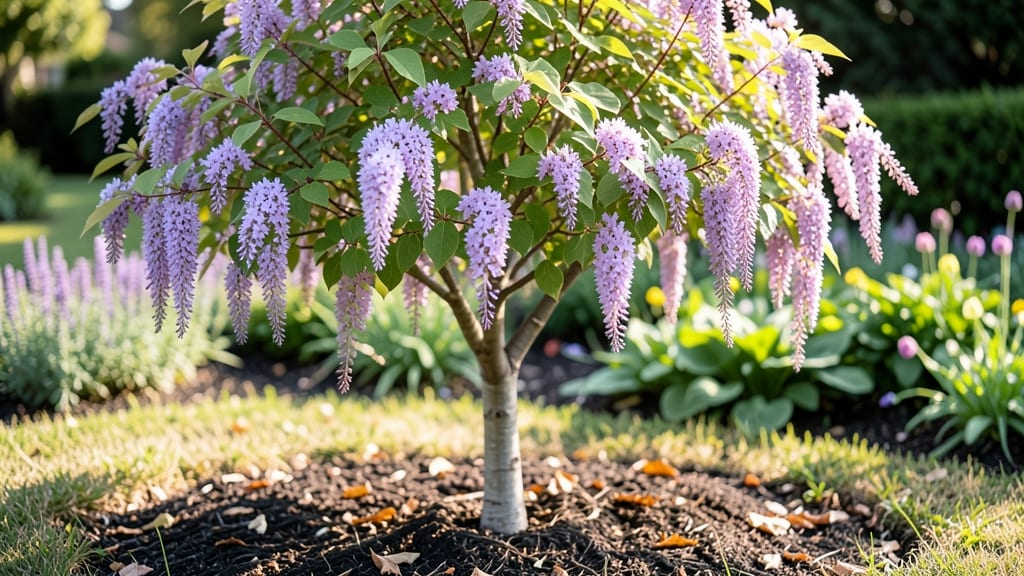
A tree with little purple flowers can transform your garden into a fragrant springtime paradise 🌸—and the lilac bush is the star of the show.
Picture this: clusters of delicate blooms cascading over branches, filling the air with intoxicating scent as bees and butterflies flock to them. What makes lilacs so special isn’t just their beauty, but how effortlessly they thrive in Zone 6a and beyond once planted right.
Whether you’re dreaming of a fragrant border or a showstopping focal point, these versatile shrubs deliver year after year with minimal fuss. The key? Choosing the right variety, planting at the perfect time (early spring, March-April), and giving them full sun.
In this guide, I’ll walk you through the best lilac types for purple blooms, how to position them for maximum impact, and simple tricks to keep them flowering like crazy—no green thumb required.
Identifying and choosing the best lilac varieties for purple flowers
If you're dreaming of a garden filled with small purple flowers that perfume the air in spring, lilacs are your perfect match. These fragrant shrubs come in countless varieties, but some stand out for their compact size and vibrant purple blooms.
Whether you're a beginner or a seasoned gardener, selecting the right lilac cultivar can transform your landscape into a fragrant oasis.
The key to choosing the best purple lilac varieties lies in understanding their unique traits. Some offer intense fragrance, while others boast prolonged bloom times or compact growth habits. For small gardens or container planting, dwarf varieties are ideal, but larger shrubs can create stunning focal points.
Let’s explore the top purple lilac cultivars that will bring color and scent to your outdoor space.
Here’s a quick comparison of three standout purple lilac varieties—'Katherine Haviland', 'Miss Havisham', and 'Purple Robin'—to help you decide which fits your garden best.
| Variety | Flower Color | Fragrance | Mature Size | Hardiness Zones |
|---|---|---|---|---|
| 'Katherine Haviland' | Deep purple | Strong, sweet | 6-8 ft tall | 3-7 |
| 'Miss Havisham' | Lavender-purple | Moderate, spicy | 5-6 ft tall | 4-8 |
| 'Purple Robin' | Bright purple | Light, fresh | 4-5 ft tall | 3-7 |
'Katherine Haviland' is a classic purple lilac that never fails to impress with its deep purple blooms and intense fragrance. This variety thrives in full sun and is perfect for gardeners in USDA zones 3-7.
Its medium height makes it ideal for hedges or mixed borders, and its prolonged bloom time ensures weeks of color.
For a more compact option, 'Miss Havisham' is a lavender-purple lilac with a spicy, moderate fragrance. This variety is perfect for smaller gardens or containers, reaching only 5-6 feet tall.
It’s also more adaptable to part shade, making it a versatile choice for USDA zones 4-8. Its unique color adds a soft contrast to traditional purple lilacs.
'Purple Robin' stands out with its bright purple flowers and light, fresh fragrance. This dwarf variety is perfect for small gardens or container planting, reaching just 4-5 feet tall.
It’s also highly drought-tolerant once established, making it a low-maintenance choice for USDA zones 3-7. Its early bloom time ensures you get the most out of spring’s fleeting beauty.
When selecting your purple lilac variety, consider your garden’s size and sunlight exposure. For full sun areas, 'Katherine Haviland' or 'Purple Robin' are excellent choices. If you have partial shade, 'Miss Havisham' adapts beautifully.
Always plant in well-draining soil to prevent root rot, and space shrubs 4-6 feet apart for optimal airflow and growth.
One of the most rewarding aspects of growing lilacs is their fragrance. While some varieties like 'Katherine Haviland' have strong, sweet scents, others like 'Purple Robin' offer a lighter, fresher aroma.
If you love intense fragrance, prioritize varieties like 'Katherine Haviland' or 'Mme. Lemoine' (another deep purple favorite). For a more subtle scent, 'Purple Robin' or 'Little Leaf' are great picks.
Don’t forget to consider your local climate. Lilacs are hardy plants, but some varieties perform better in warmer zones (like 'Miss Havisham'), while others thrive in colder regions (like 'Katherine Haviland'). Always check the USDA hardiness zone before purchasing to ensure your lilac will flourish year after year.
Once planted, lilacs require minimal care but benefit from annual pruning to encourage new growth and abundant blooms. Prune right after flowering to shape the shrub and remove old wood. Avoid heavy pruning in late summer, as this can reduce next year’s flower production.
With the right variety and care, your purple lilac tree will become a cherished centerpiece in your garden.
Ready to add a splash of purple beauty to your landscape? Start by choosing the lilac variety that best fits your garden’s size, sunlight, and
Step-by-step guide to planting and pruning a lilac bush for optimal blooms
Planting a lilac bush is your first step toward creating a fragrant, purple-hued garden centerpiece. These trees with little purple flowers thrive with proper care, and the key starts with soil preparation and sunlight exposure.
I’ve planted mine in well-draining soil mixed with compost, ensuring they get the nutrients they need to flourish. The right location can make all the difference in bloom abundance.
Lilacs love full sun—at least 6 hours daily—and a spot with good air circulation to prevent fungal issues. If your yard has partial shade, choose a dwarf variety like 'Miss Havisham' for smaller spaces.
Planting in early spring or fall gives roots time to establish before extreme weather hits.
How to Plant a Lilac Bush
- Step 1: Choose the Right Spot – Pick a location with full sun and well-draining soil. Avoid low-lying areas where water pools.
- Step 2: Dig the Hole – Make it twice as wide as the root ball but no deeper. Loosen the sides to encourage root spread.
- Step 3: Amend the Soil – Mix compost or aged manure into the native soil for better drainage and nutrients.
- Step 4: Plant the Lilac – Place the bush in the hole, ensuring the root flare (where roots meet trunk) sits just above soil level.
- Step 5: Backfill and Water – Fill the hole with soil, tamping gently to remove air pockets. Water deeply to settle roots.
- Step 6: Mulch and Space – Apply 2-3 inches of mulch (keep it 6 inches from the trunk) and space bushes 6-10 feet apart for airflow.
Once planted, pruning is critical for shaping and encouraging abundant blooms. I prune my lilacs right after flowering (late spring) to remove dead or crossing branches.
This keeps the bush open and airy, reducing disease risk. Never prune in fall or winter, as new growth won’t harden off before cold weather.
For rejuvenation pruning, cut back 1/3 of the oldest stems to the ground every 3 years. This stimulates new growth and bigger blooms the following year. My 'Katherine Haviland' lilac thrives with this method—now it’s a flowering powerhouse every spring!
Fertilize lightly in early spring with a balanced 10-10-10 formula to support new growth. Avoid heavy feeding, as lilacs prefer moderate nutrients. Water deeply once a week during the first year, then reduce frequency as roots establish.
Overwatering leads to root rot, so let the soil dry slightly between waterings.
With these steps, your lilac will reward you with years of fragrant purple blooms. The secret? Patience and proper pruning—skip the heavy hand with the shears, and your lilac will thrive for decades. Happy gardening! 🌸