
Pruning
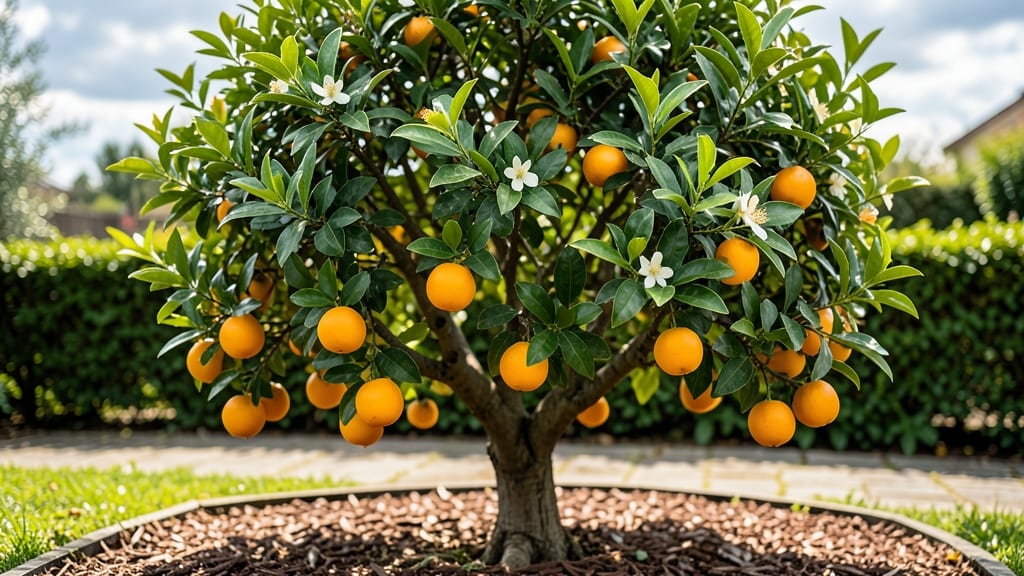
A tree with little orange berries transforms any yard into a winter wonderland. 🌿 These vibrant shrubs—like Pyracantha or Cotoneaster—keep color when everything else fades, and their glossy leaves add texture year-round. The berries aren’t just pretty; they feed birds and deter pests naturally.
The secret to their success? Full sun to partial shade and well-draining soil. Most thrive in zones 5-9, and while they’re low-maintenance, a light pruning in late winter keeps them dense and flowering. I’ve seen mine produce berries from October through spring—no fuss, just beauty.
You’ll love how they brighten dull corners, especially when snow dusts the branches. Birds will visit daily, and your neighbors will ask for the name. These shrubs grow 6-12 feet tall, so they work as hedges, accents, or even small trees.
For best results, plant in fall or early spring. Mulch helps retain moisture, and a balanced fertilizer in early spring encourages both foliage and berries. Pests are rare, but watch for scale or spider mites—spray with neem oil if needed. Easy, stunning, and practical.
Why it happens
Those eye-catching little orange berries adorning your tree aren’t just a happy accident—they’re the result of a fascinating interplay between biology, climate, and care. Understanding why they appear (and sometimes don’t) helps you nurture your tree for a bountiful, colorful display.
Let’s break down the key factors behind this vibrant phenomenon.
🌱 Seasonal Growth Cycles & Flowering
The berries you see are actually drupes (a fleshy fruit with a single seed), and they start as tiny flowers in spring or early summer. Trees like the Firethorn (Pyracantha) or Hawthorn (Crataegus) rely on pollinators—bees, butterflies, or even wind—to transfer pollen from male to female flowers.
Without this step, no berries form! Actionable tip: If your tree isn’t flowering, check for pests (like aphids) that might be blocking pollinators or prune dense branches to improve airflow.
☀️ Sunlight & Nutrient Balance
Berries thrive when trees get 6+ hours of direct sunlight daily and balanced nutrients, especially phosphorus (for flowering) and potassium (for fruit development).
Shady spots or poor soil can stunt berry production. Pro tip: Test your soil’s pH (ideal: 6.0–7.0 for most berry-bearing trees) and amend with compost or a slow-release fertilizer in early spring. Yellowing leaves? That’s a red flag for nitrogen deficiency—switch to a bloom-boosting formula.
🌡️ Climate & Temperature Shocks
Extreme heat or cold can disrupt berry development. For example, Firethorn needs chilling hours (300–500 hours below 45°F) in winter to trigger flowering.
If your region is too warm year-round, the tree might skip this step. Solution: Mulch heavily in fall to protect roots and consider microclimate adjustments (like windbreaks) if you’re in a mild zone. Late frosts after flowering? Cover young buds with frost cloth to save them.
🐞 Pest & Disease Pressure
Berries are a magnet for critters—and not just birds! Scale insects, spider mites, or fungal diseases (like powdery mildew) can weaken the tree, reducing fruit yield.
Look for sticky sap (honeydew), chewed leaves, or white mold on berries. Preventative care: Spray neem oil in early spring or introduce beneficial insects like ladybugs. For fungal issues, ensure good airflow by pruning and avoid overhead watering.
🌿 Pruning Timing & Technique
Pruning at the wrong time (like mid-summer) can remove next year’s flower buds. Most berry-bearing trees set buds in late summer/fall. Do this instead:
- 🔪 Prune in late winter/early spring (before buds swell) to shape the tree and remove dead wood.
- 🌿 Avoid heavy pruning—never cut more than 25% of the canopy at once.
- 📅 Skip pruning in fall if your tree is prone to fungal diseases (like Firethorn).
Revive & Maintain Your Orange-Berried Tree
If your tree’s vibrant orange berries aren’t thriving—or worse, the tree itself looks stressed—don’t panic! With the right care, you can restore its health and keep those cheerful berries popping up year after year. Below, we’ve mapped out practical solutions for common issues, from overcrowded branches to pest invasions, along with prevention tips to keep your tree in peak condition.
Cause: Too many branches competing for sunlight, nutrients, or space. Fix:
- 🔪 Prune strategically in late winter or early spring (before new growth starts). Remove up to 25% of the thickest, crossing, or dead branches using clean, sharp pruners. Focus on opening the canopy to improve airflow.
- 🌱 Thin out dense clusters to reduce disease risk and encourage larger, healthier berries.
- ⏰ Schedule a light trim in summer if growth seems unchecked, but avoid heavy pruning during active berry production.
Prevention Tip: 💡 Prune regularly (every 2–3 years) to maintain shape and prevent overgrowth. Avoid "topping" the tree—cutting the main stem—which stresses the plant.
Cause: Berries or leaves spotted, wilting, or covered in insects (e.g., aphids, spider mites, or fungal spots). Fix:
- 🛡️ Identify the problem first:
- Fungal issues (powdery mildew, leaf spot): Apply a fungicide (neem oil or copper-based) every 7–10 days until symptoms fade. Improve airflow by pruning.
- Pests (aphids, mites): Blast off insects with a strong spray of water, then treat with insecticidal soap or horticultural oil. Repeat weekly if needed.
- Borers or beetles: Remove infested branches and treat the tree with systemic insecticide (follow label instructions).
- 🌡️ Boost tree resilience by ensuring it gets consistent water (1–2 inches per week) and balanced fertilizer (low nitrogen, high potassium/phosphorus for fruiting).
Prevention Tip: ✨ Mulch around the base (2–3 inches deep) to deter pests and retain moisture. Avoid wetting leaves when watering to prevent fungal growth.
Cause: Wilting leaves, stunted growth, or berries dropping early—often due to underwatering, overwatering, or poor soil. Fix:
- 💧 Adjust your watering routine:
- Drought stress? Water deeply 2–3 times per week (early morning is best) and mulch to lock in moisture.
- Overwatering? Let the top 2 inches of soil dry out between waterings. Check for yellowing leaves or root rot (mushy stems).
- 🌱 Amend the soil if compacted or nutrient-poor:
- Mix in compost or aged manure in the root zone.
- Test soil pH (ideal: 5.5–6.5 for most berry-producing trees). Adjust with lime (to raise pH) or sulfur (to lower it) if needed.
Prevention Tip: 🎯 Use drip irrigation or soaker hoses to deliver water directly to roots, reducing waste and fungal risks.
Cause: Berries are sparse or pale, or new growth is leggy—signs of insufficient light. Fix:
- 🌞 Relocate or supplement light:
- If possible, move the tree to a sunnier spot (6+ hours of direct sunlight daily).
- For container-grown trees, place in a bright indoor area (south-facing window) or use grow lights during winter.
- 🍃 Trim nearby shade trees if they’re blocking sunlight, but avoid heavy pruning during fruiting seasons.
Prevention Tip: 💡 Plant your tree where it won’t be shaded by future structures or larger plants. Most orange-berried trees thrive in full sun!
If your tree is severely stressed (brown bark, no new leaves, or trunk cracks):
- 🚨 Assess the damage: Check for borers, cracks, or signs of disease. Remove dead branches immediately.
- 💊 Fertilize with a slow-release, high-phosphorus formula to jumpstart root recovery.
- 🌱 Consider a professional arborist if the tree is beyond DIY fixes—sometimes, rejuvenation isn’t possible, and removal may be the kindest option.
Prevention Tip: 🌡️ Monitor your tree’s health monthly. Early intervention saves time and effort!
With these targeted fixes, your orange-berried tree should bounce back stronger than ever. Consistency is key—stick to a seasonal care routine, and you’ll enjoy those cheerful berries (and lush foliage!) for seasons to come. 🍂✨
Frequently asked questions
Which trees commonly produce small orange berries?
Popular choices include Pyracantha (Firethorn), Cotoneaster, and Holly varieties like Winterberry. Pyracantha is especially prized for its bright red-orange berries that persist through winter, while Cotoneaster offers clusters of tiny berries in shades of red, orange, or yellow. Holly berries are toxic but stunning for holiday decor.
Are the berries safe for birds or humans?
Most orange berries from these trees are safe for birds and provide vital winter food. However, Holly berries are toxic to humans and pets, while Pyracantha berries are edible but bitter—best left for wildlife. Always research your specific variety before consuming anything from the tree.
How do I encourage more berries to grow?
Give your tree full sun (6+ hours daily) and well-draining soil with balanced fertilizer (high in phosphorus/potassium). Prune in late winter to remove dead wood and improve airflow, which helps flowering. For Pyracantha, a light frost period (300+ hours below 45°F) triggers better berry production.
Why aren't my berries turning orange?
Berries may stay green or yellow if the tree lacks sunlight, nutrients, or proper chilling hours. Check for pale leaves (nutrient deficiency) or small, sparse berries (poor pollination). Try moving to sunnier spot, adding compost, or testing soil pH (ideal: 6.0–7.0). Some varieties need cross-pollination—plant two trees for best results.
Can I grow these trees in containers?
Yes! Dwarf varieties like Pyracantha 'Lalandei' or Cotoneaster 'Bearberry' thrive in large pots (15+ gallons). Use well-draining potting mix and ensure the container has drainage holes. Move indoors during winter if temperatures drop below 10°F, or protect with burlap wraps. Prune regularly to control size.