
Trees
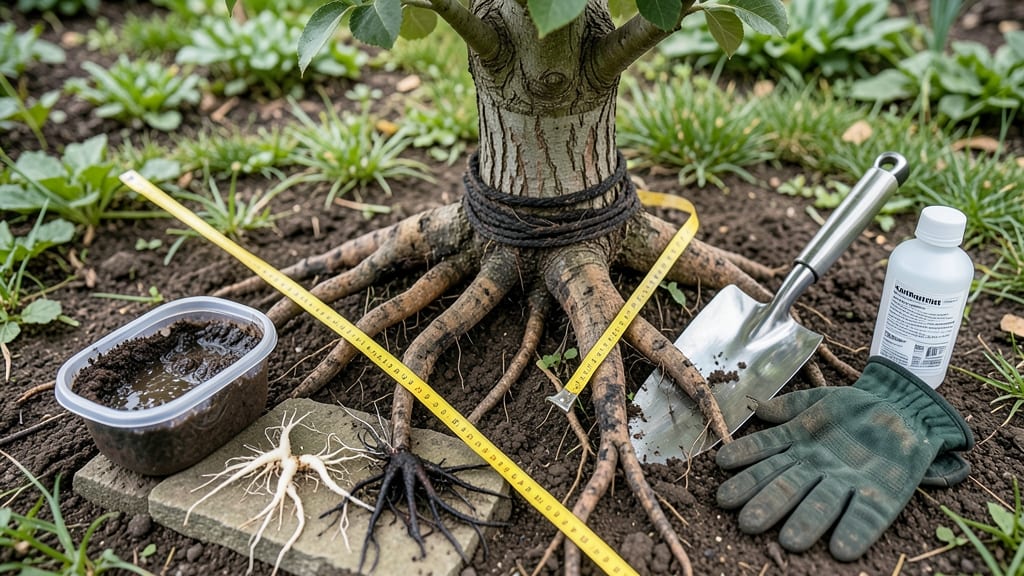
Your apple tree’s drooping branches might signal the root problems—gut-restorative fixes can revive it before it’s too late. 🌳 I’ve watched trees go from lifeless to lush again by addressing the roots first, not just the leaves.
The key is catching the problem early, when roots still have a chance to recover.
Most root issues stem from too much water, poor drainage, or soil that’s too dense. My first clue? Leaves yellowing from the bottom up, even with regular watering. The fix isn’t always dramatic—sometimes it’s just aerating the soil or adjusting your watering schedule.
But if the roots smell sour or look mushy, you’re dealing with something more serious.
With the right approach, you’ll see new growth within 4-6 weeks. Start by improving drainage, then add organic matter to loosen compacted soil. For severe cases, root pruning can redirect energy to healthier parts of the tree.
The goal isn’t just to save the tree—it’s to give it a second chance at thriving.
If the tree still struggles after your efforts, an arborist can assess deeper issues like girdling roots or fungal infections. But in most cases, simple soil care makes all the difference. Let’s get those roots back in shape.
Root Causes Behind Apple Tree Decline
Apple trees, like any living organism, rely on a complex and delicate root system to thrive. When this system falters, it can lead to a cascade of problems—from wilting canopies to stunted growth.
Understanding the why behind these issues is the first step toward restoring your tree’s health. Below, we break down the most common culprits, grounded in science, so you can take targeted action.
Apple tree roots need well-draining, aerated soil rich in organic matter to absorb water and nutrients efficiently. When soil becomes compacted, waterlogged, or nutrient-deficient, roots suffocate or starve.
- Compaction: Heavy foot traffic, machinery, or clay-heavy soil crushes soil pores, limiting oxygen flow to roots. Result? Roots struggle to breathe, leading to stunted growth and susceptibility to disease.
- Waterlogging: Roots thrive in soil that drains within 24–48 hours. Prolonged saturation (e.g., from poor drainage or excessive rain) cuts off oxygen, causing anaerobic conditions that trigger Phytophthora (a deadly root rot) or root asphyxiation.
- Nutrient Deficiency: Apple trees are heavy feeders, requiring nitrogen (N), phosphorus (P), and potassium (K) in balanced ratios. Soil tests often reveal deficiencies in micronutrients like zinc or boron, which are critical for root development. Signs? Yellowing leaves (chlorosis) or brittle, blackened roots.
💡 Pro Tip: Test your soil’s pH (ideal: 6.0–7.0 for apples) and amend with compost or organic matter like well-rotted manure or biochar to improve structure and fertility.
Fungal, bacterial, and viral pathogens target apple tree roots, often entering through wounds or weak points. These invaders disrupt nutrient uptake and structural integrity, leading to decline.
- Fungal Infections:
- Armillaria (Honey Fungus): A wood-decaying fungus that spreads via root grafts between trees. It creates shelf-like fruiting bodies at the base and weakens roots, causing wilting even in moist conditions.
- Phytophthora Root Rot: Thrives in waterlogged soil, causing roots to turn brown and mushy. Smell the soil: A rotten, fermented odor is a red flag.
- Bacterial Diseases:
- Fire Blight (Erwinia amylovora): While it primarily attacks shoots, it can infect root grafts and spread through pruning tools. Look for oozing, blackened cankers at the tree’s base.
- Bacterial Root Rot (e.g., Pseudomonas species): Causes slime-producing lesions on roots, clogging pores and blocking water flow.
🔥 Warning: Pathogens often enter through pruning wounds or graft unions. Always sterilize tools with 70% isopropyl alcohol or a 10% bleach solution before use.
Root-feeding insects and nematodes can devastate an apple tree’s foundation by consuming roots or transmitting diseases. Their damage is often invisible until it’s too late.
- Nematodes (Microscopic Worms):
- Root-Knot Nematodes (Meloidogyne): Inject toxins that cause galls (lumpy growths) on roots, reducing water absorption by up to 50%.
- Lesion Nematodes (Pratylenchus): Feed on root cells, creating brown, necrotic lesions that weaken the tree’s structural support.
- Insects:
- Grubs (Japanese Beetle Larvae): Chew through fine roots, leaving fragile, lace-like strands that snap easily.
- Root Borers (e.g., Sirex woodwasps): Lay eggs in wounded roots, and their larvae tunnel through the cambium, disrupting nutrient transport.
🌡️ Soil Temperature Matters: Nematodes and grubs thrive in warm, moist soil (60–85°F). Mulch with straw or wood chips to regulate temperature and deter pests.
Even the hardiest apple trees can succumb to root problems when exposed to extreme or prolonged environmental stressors.
- Drought Stress: While apple trees are drought-tolerant, prolonged dry spells force roots to extend deeper in search of water, making them vulnerable to breakage when soil contracts.
- Extreme Temperatures:
- Cold Injury: Roots can suffer freeze-thaw damage in winter, especially if soil is saturated (ice crystals rupture cell walls).
- Heat Stress: Soil temps above 95°F can denature root enzymes, halting nutrient uptake and causing wilting despite adequate water.
- Soil Contaminants:
- Salinity: From road salt or poor irrigation, it osmotically stresses roots, forcing them to expend energy to expel excess salts.
- Heavy Metals (e.g., lead, copper): Accumulate in urban soils, disrupting root cell function and stunting growth.
✨ Prevention Tip: Mulch deeply (3–4 inches) with organic matter to insulate roots from temperature swings and retain moisture.
By identifying the root of the problem—literally—you can target treatments with precision. Whether it’s amending soil, applying fungicides, or introducing beneficial microbes, the next section will guide you through restorative solutions tailored to each cause.
Practical fixes for apple tree roots
Reviving your apple tree starts with addressing its roots—literally! Whether your tree is struggling from root rot, compacted soil, disease, or poor drainage, these targeted solutions will help restore health and vigor.
Below, we’ve broken down the most common root problems and the step-by-step fixes to get your tree back on track. Plus, we’ll share prevention tips to keep future issues at bay.
Signs: Yellowing leaves, wilting despite watering, foul-smelling soil, mushrooms at the base.
How to Fix It:
- 🍳 Stop Watering (Seriously!)
- Overwatering is the #1 cause of root rot. Let the soil dry out between waterings—stick your finger 2 inches deep; if it’s soggy, wait.
- 👨🍳 Improve Drainage with a Moat
- Dig a shallow trench (6–8 inches deep) around the tree’s drip line (the edge of its canopy). Fill it with gravel or coarse sand to redirect water away from roots.
- 🥘 Prune Affected Roots (Gently!)
- Use sterilized pruners to trim black, mushy roots. Cut back to healthy white tissue, then dust with fungicide (like copper-based or mycorrhizal powder).
- ⏰ Plant a Cover Crop
- Add clover or fescue grass around the tree (but not too close). Their roots break up compacted soil and compete with fungal growth.
💡 Prevention Tip: Install a swale (a shallow ditch) around the tree’s perimeter to channel rainwater away. Mulch with wood chips (not fresh wood) to retain moisture without suffocating roots.
Signs: Slow growth, stunted roots, water pooling after rain, roots exposed above soil.
How to Fix It:
- 🔪 Core Aeration (DIY or Pro)
- Rent a manual soil aerator (or hire a pro) to punch holes 6–12 inches deep around the tree’s root zone. Space them 6–12 inches apart.
- 🥗 Amend the Soil
- Mix in compost, peat moss, or coconut coir to improve structure. For heavy clay, add gypsum (follow package rates).
- 🌱 Mulch Like a Pro
- Apply 3–4 inches of wood chips (not rocks!) in a donut shape around the tree, keeping it 6 inches away from the trunk.
🔥 Pro Tip: If your soil is extremely compacted, consider deep tilling (with a broadfork) in early spring or fall—just avoid disturbing roots near the trunk.
Signs: Sawdust-like frass, holes in bark, oozing sap, or sudden leaf drop.
How to Fix It:
- 🛡️ Identify the Culprit First
- Borers? Look for exit holes. Nematodes? Check for gnarled roots. Fungal infections? Spot discolored, spongy roots.
- 💊 Treat Based on the Threat
- Borers/Nematodes: Apply beneficial nematodes (Phasmarhabditis) or neem oil spray to the soil.
- Fungal Diseases (e.g., Armillaria): Remove infected roots and surrounding soil. Treat with hydrogen peroxide (3%) or baking soda solution (1 tbsp/gallon water).
- ✨ Boost Tree Immunity
- Foliar feed with seaweed extract or fish emulsion to strengthen the tree’s defenses.
🌡️ Prevention Tip: Encourage beneficial insects (like ladybugs) by planting companion flowers (e.g., marigolds, yarrow) near the tree.
Signs: Yellowing leaves (chlorosis), weak branches, slow recovery after pruning.
How to Fix It:
- 🍎 Test Your Soil
- Use a home soil test kit (or send a sample to a lab) to check pH and nutrient levels. Apple trees thrive in pH 6.0–7.0.
- 💪 Fertilize Strategically
- Spring: Apply balanced fertilizer (10-10-10) or compost tea.
- Fall: Switch to low-nitrogen, high-potassium (5-10-10) to prep for winter.
- Avoid synthetic fertilizers near the trunk—side-dress 12 inches from the drip line.
- 🥗 Mycorrhizal Fungi Boost
- Mix mycorrhizal inoculant into the soil during planting or aeration. These fungi supercharge root absorption of water and nutrients.
🔥 Pro Tip: If your tree is zinc-deficient (common in alkaline soils), apply chelated zinc or zinc sulfate in early spring.
- Water Deeply but Infrequently: Aim for 1–1.5 inches per week (including rain).
Use a soaker hose to avoid surface runoff. - Avoid Soil Compaction: Stay off the root zone with heavy equipment or foot traffic. - Monitor Year-Round: Check for new signs of stress after heavy rains, droughts, or extreme temps.
Final Thought: Healthy roots = a thriving apple tree. Start with one fix (like aeration or drainage), then layer in nutrient support and prevention. With patience, your tree will bounce back—and next season’s harvest will be sweeter than ever! 🍏🌱
Frequently asked questions
Why does my apple tree have yellow leaves even when I water it regularly?
Yellowing leaves (chlorosis) often signal root problems like poor drainage or nutrient deficiencies. Overwatering can suffocate roots, while compacted soil blocks oxygen flow. Test your soil's pH (6.0–7.0 is ideal) and amend with compost or mycorrhizal fungi to improve nutrient uptake.
How can I tell if my apple tree has root rot?
Check for black, mushy roots with a foul odor, wilting despite watering, and mushrooms at the base. If you see these signs, stop watering immediately and improve drainage by creating a gravel-filled trench around the tree. Prune affected roots with sterilized tools.
Is it safe to plant grass right next to my apple tree?
No—grass competes for water and nutrients, while its roots can compact soil near your tree's roots. Instead, mulch with 3–4 inches of wood chips in a donut shape around the tree (keep it 6 inches from the trunk). This retains moisture and improves soil structure.
Can I fix compacted soil around my apple tree myself?
Yes! Rent a manual soil aerator to create 6–12 inch deep holes around the root zone. Mix in compost or coconut coir to loosen clay-heavy soil. For extreme compaction, use a broadfork in early spring or fall. Avoid disturbing roots near the trunk.
When should I call an arborist for my apple tree's root problems?
Consult an arborist if you see shelf-like fungi (Armillaria), severe wilting that doesn't improve after 2 weeks of care, or if your tree is young and struggling. They can diagnose deep issues like girdling roots or advanced fungal infections requiring professional treatment.