
Pruning
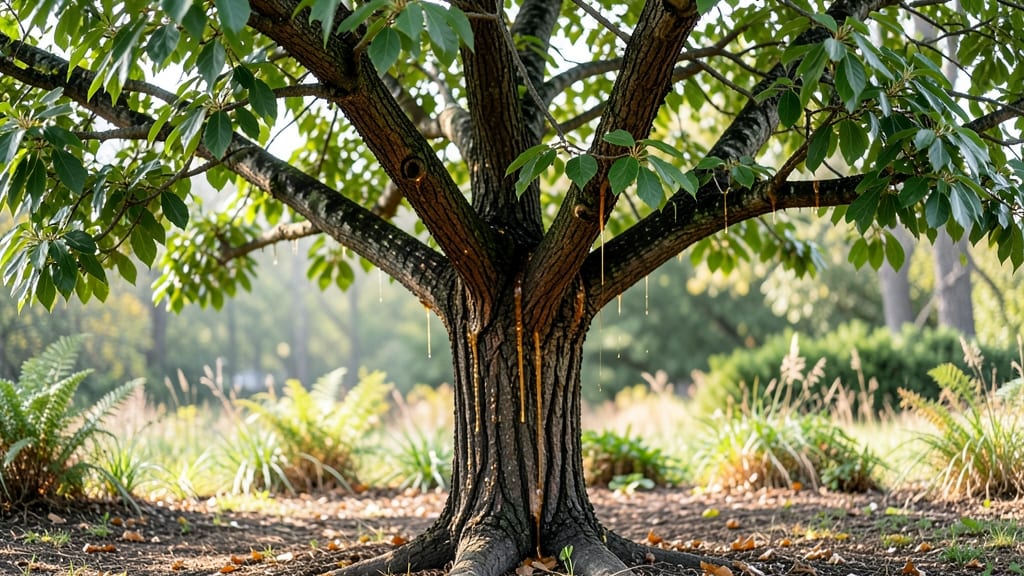
That sticky mess under your cherry tree isn’t just annoying—it’s a sign your tree is under stress. 🌳 I’ve dealt with dripping sap for years, and the good news is, it’s usually fixable with a few targeted steps. The bad news?
Ignoring it can lead to bigger problems like weakened branches or even disease. The most common causes are physical damage (like improper pruning or animal scratches), pest infestations (especially borers or aphids), or fungal infections that disrupt the tree’s natural defenses.
Sap is basically the tree’s way of sealing a wound—like how we get scabs after a cut. The key is identifying the root cause before it spreads. Start with a close inspection of the trunk and branches.
Look for sawdust-like frass (borer sign), sticky residue (aphids), or oozing wounds (physical trauma). Once you spot the issue, you can prune damaged areas, apply a copper fungicide for infections, or use insecticidal soap for pests. Most fixes take less than 30 minutes and prevent future messes. The best part?
A healthy cherry tree stops dripping within 2-4 weeks of proper care. No more sticky sidewalks or wasted sap—just a thriving tree that keeps producing fruit for years.
Root Causes Of Sap Bleeding
When your cherry tree starts weeping sap like a leaky faucet, it’s usually a sign that something’s off—but not always in a bad way. Sap bleeding (or gum bleeding) is a natural (or sometimes stress-induced) process in many trees, including cherries.
Let’s break down the science behind why this sticky situation happens, so you can diagnose—and fix—the issue.
Cherry trees, like many deciduous trees, experience spring sap flow as part of their annual cycle. This happens when:
- Root pressure builds up as the tree prepares to push new leaves and flowers. Think of it like a plumbing system filling with water before a flush—sap moves from the roots upward through the xylem (the tree’s water pipes).
- Temperature shifts trigger movement. Warmer days (above 40°F/4°C) combined with cold nights create pressure differences, forcing sap to escape through wounds, bark cracks, or even healthy tissue. This is most common in early spring when the tree is waking up but hasn’t fully activated its protective layers.
💡 Pro Tip: If sap appears in late winter or early spring and the tree looks otherwise healthy, it’s likely just spring flush. No action is needed—just clean up the mess with a tarp or cardboard underneath the tree!
Cherry trees are sensitive to rapid temperature swings, especially when they’re dormant or just budding. Here’s how it causes sap leaks:
- Freeze-thaw cycles damage cells. When water in the xylem freezes and expands, it can rupture cell walls. As temperatures rise, the tree “bleeds” sap to repair the damage. This is common in late winter or early spring during unpredictable weather.
| Symptom | Likely Cause | Action |
|---|---|---|
| Sap dripping from multiple branches | Severe freeze damage or root pressure | Apply anti-desiccant spray (like Wilt-Pruf) to protect bark |
| Sap only at branch tips or wounds | Cold snap followed by warm spell | Prune dead/damaged branches in dormant season (late winter) |
⚠️ Warning: If sap bleeding coincides with brown, mushy bark or oozing fungus, your tree may have cold injury or bacterial canker. Act fast with a fungicide like copper hydroxide.
Any break in the bark—whether from pruning cuts, animal damage, or storms—creates an exit point for sap. Here’s why it’s a problem:
- Open wounds = infection highways. Sap isn’t just sticky—it’s a sugar-rich buffet for fungi and bacteria. If a cut isn’t sealed properly, pathogens like Pseudomonas syringae (a common cherry tree pathogen) can invade.
- Improper pruning = slow healing. Jagged cuts or pruning too late in the season (after August) prevent the tree from sealing wounds before winter. This leads to excessive sap loss and weak spots.
🔪 Fix It: If sap is leaking from a pruning wound, use pruning sealant (like Tanglefoot Tree Wound Pruning Seal) only if the cut is larger than ½ inch. For small wounds, let the tree heal naturally—sealants can sometimes trap moisture and worsen rot.
🌿 Key Takeaway: Sap bleeding is usually harmless if it’s seasonal, but persistent leaks + wilting leaves = trouble. Monitor your tree’s overall health, and address wounds promptly to keep it thriving!
Quick Fixes for Sap-Stained Trees
A cherry tree dripping sap can feel like a messy, frustrating puzzle—but the good news is that most solutions are simple, cost-effective, and require minimal effort. Below, we’ve mapped out practical fixes for the most common causes, along with prevention tips to keep your tree healthy and your property clean.
Whether your tree is bleeding due to pruning wounds, pests, or seasonal stress, these steps will help you stop the sap flow and restore your tree’s vitality.
If your cherry tree is oozing sap after trimming, the cuts may not have sealed properly. Improper pruning is a top culprit, especially during wet or cold weather.
How to Fix It:
✅ Seal the Wounds Properly
- Use pruning sealant (like Tanglefoot Tree Wound Pruning Seal) or beeswax to coat fresh cuts. This creates a protective barrier against bacteria and fungi.
- Apply within 24 hours of pruning for best results.
✅ Prune at the Right Time
- Best time: Late winter or early spring (when the tree is dormant but before new growth).
- Avoid pruning during rainy or humid periods—moisture slows healing.
✅ Make Clean Cuts
- Use sharp, sterilized pruners to cut at a 45-degree angle just outside the branch collar (the swollen area where the branch meets the trunk).
- Don’t leave stubs—they trap moisture and invite decay.
💡 Pro Tip: If the wound is large (over 2 inches in diameter), consider painting it with a fungicide (like copper-based spray) to prevent infection.
Sap dripping can signal sap-sucking pests like aphids, scale insects, or borers. These critters weaken the tree by feeding on its fluids, leading to sticky residue and potential disease.
How to Fix It:
✅ Identify the Pest
- Aphids: Tiny green/black bugs clustered on new growth.
- Scale Insects: Bumpy, shell-like pests on branches.
- Borers: Sawdust-like frass near holes in the bark.
✅ Remove Infestations Naturally
- Hose them off with a strong stream of water (works for aphids).
- Apply neem oil (mix 1 tbsp per quart of water) or insecticidal soap to smother pests.
- Introduce beneficial insects like ladybugs or lacewings.
✅ Use Systemic Treatments for Severe Cases
- For borers, inject systemic insecticide (like imidacloprid) into the tree’s vascular system.
- Repeat treatments every 4-6 weeks until pests are gone.
🌡️ Prevention Tip: Monitor your tree regularly—early detection means easier fixes!
Extreme temperatures, drought, or sudden weather shifts can cause sap bleeding, especially in young or weak cherry trees.
How to Fix It:
✅ Water Deeply & Consistently
- Drought-stressed trees may "bleed" sap as a survival response.
- Water slowly at the base (1-2 inches per week) to encourage deep root growth.
✅ Mulch to Retain Moisture
- Apply 2-3 inches of organic mulch (wood chips, straw) around the base (but not touching the trunk).
- Mulch insulates roots from temperature swings.
✅ Protect from Frost Cracks
- If sap is dripping from vertical cracks in the trunk, your tree may have frost damage.
- Paint the trunk with tree wound sealant in late fall to prevent splitting.
✅ Avoid Over-Fertilizing
- Too much nitrogen can stimulate weak, sap-heavy growth.
- Use a balanced fertilizer (10-10-10 ratio) in early spring.
🎯 Long-Term Tip: Plant cherry trees in well-draining soil and choose a location with partial shade to reduce stress.
If your cherry tree shows large, oozing cankers, fungal rot, or persistent sap flow despite treatments, it may need expert intervention.
A certified arborist can: - Assess structural damage (like borer tunnels). - Perform safe, large-scale pruning. - Recommend tree removal if the tree is beyond saving.
Final Reminder: Most sap issues are fixable with patience and proper care! Start with the cause-specific solution above, then prevent future problems with smart pruning and pest control. Your cherry tree will thank you with healthier growth and fewer sticky surprises. 🌿✨
Frequently asked questions
Is dripping sap from my cherry tree always a sign of trouble?
Not necessarily! In early spring, cherry trees often experience natural sap flow as they wake up from dormancy. This is especially common when warm days follow cold nights (40°F/4°C threshold). If the tree looks otherwise healthy and the sap appears only in late winter or early spring, it’s likely just seasonal. Just place a tarp beneath the tree to catch the mess.
What’s the fastest way to stop sap dripping from pruning wounds?
Use pruning sealant (like Tanglefoot Tree Wound Pruning Seal) or beeswax within 24 hours of cutting. For larger wounds (>½ inch), also apply a copper-based fungicide to prevent infection. Always prune at the branch collar with sharp tools to avoid jagged edges that slow healing.
Could pests be causing my cherry tree’s sap leaks?
Sap-sucking pests like aphids, scale insects, or borers create entry points that trigger excessive sap flow. Look for sticky residue (aphids), bumpy shells (scale), or sawdust-like frass (borers). Treat with neem oil or insecticidal soap for soft-bodied pests, or systemic insecticide for borers. Early action prevents long-term damage.
Will mulching help stop sap bleeding from environmental stress?
Yes! Apply 2-3 inches of organic mulch (wood chips or straw) around the base to regulate soil temperature and retain moisture. This reduces stress from drought or frost cracks, two common triggers for sap leaks. Just keep mulch away from the trunk to avoid rot. Mulch also suppresses weeds that compete for water.
When should I call an arborist about my dripping cherry tree?
If you see large cankers, fungal growth, or persistent sap flow despite treatments, it’s time to consult a pro. An arborist can diagnose serious diseases (like bacterial canker) or structural damage (borer tunnels) that require professional pruning or removal. Don’t wait—advanced issues spread fast!