
Diseases
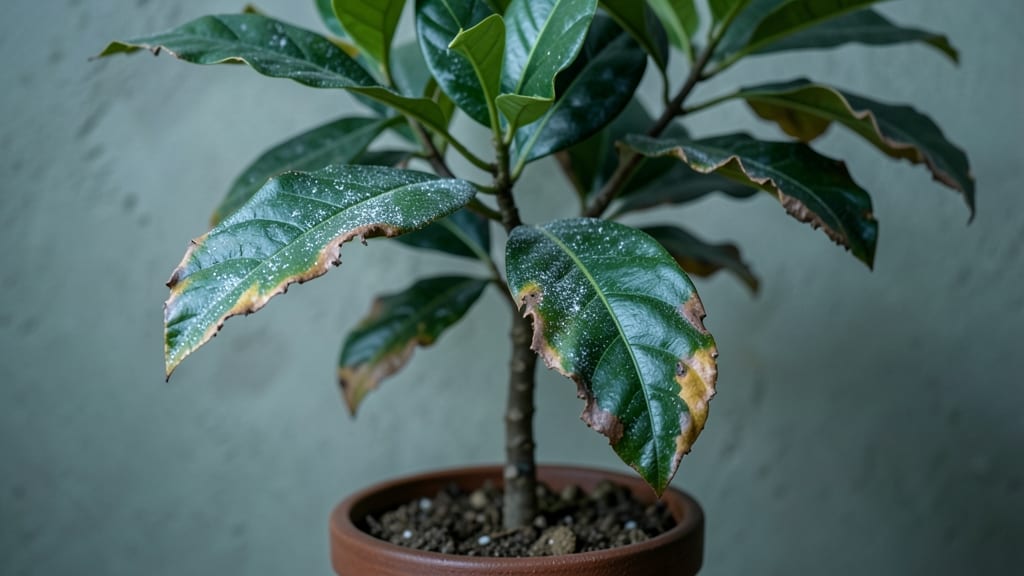
Seeing brown tips on your avocado tree leaves? Don’t panic—these common issues have fast solutions. From overwatering to nutrient deficiencies, these 10 fixes will restore your tree’s vibrant green foliage in weeks.
Overwatering and Root Rot Prevention
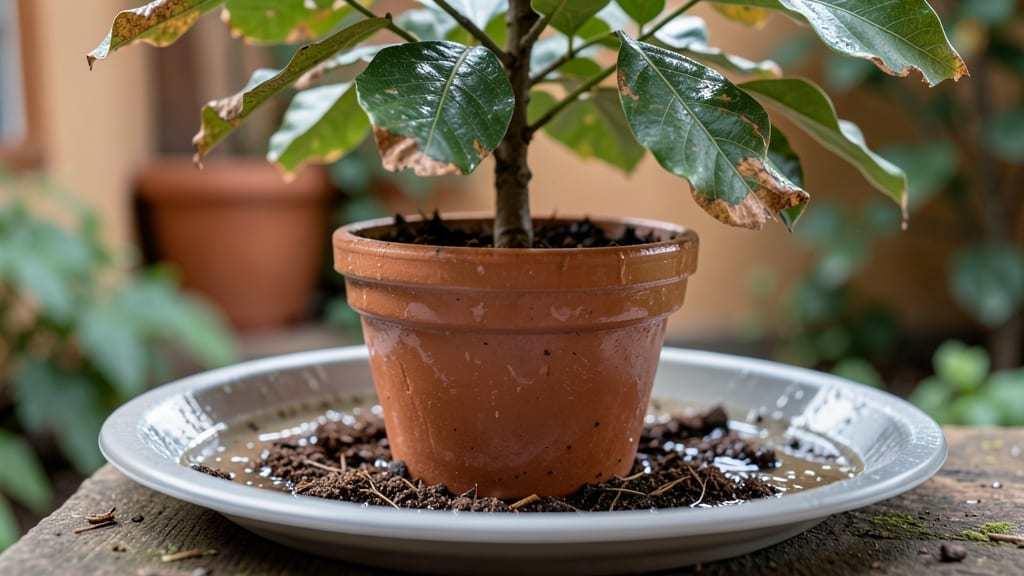
That soggy saucer under your avocado tree pot might be the silent culprit behind those unsightly brown leaf tips. Overwatering is the #1 cause of root suffocation, leading to nutrient starvation and crispy edges—even when the soil feels damp.
Start by letting the top 2-3 inches of soil dry out completely between waterings, then upgrade your pot’s drainage. Add perforated saucers or gravel layers to prevent waterlogging, and always use well-draining cactus/succulent mix blended with perlite. If roots smell foul or look mushy, trim the affected areas with sterilized scissors and repot in fresh soil. 🌱
Underwatering and Soil Dryness Solutions
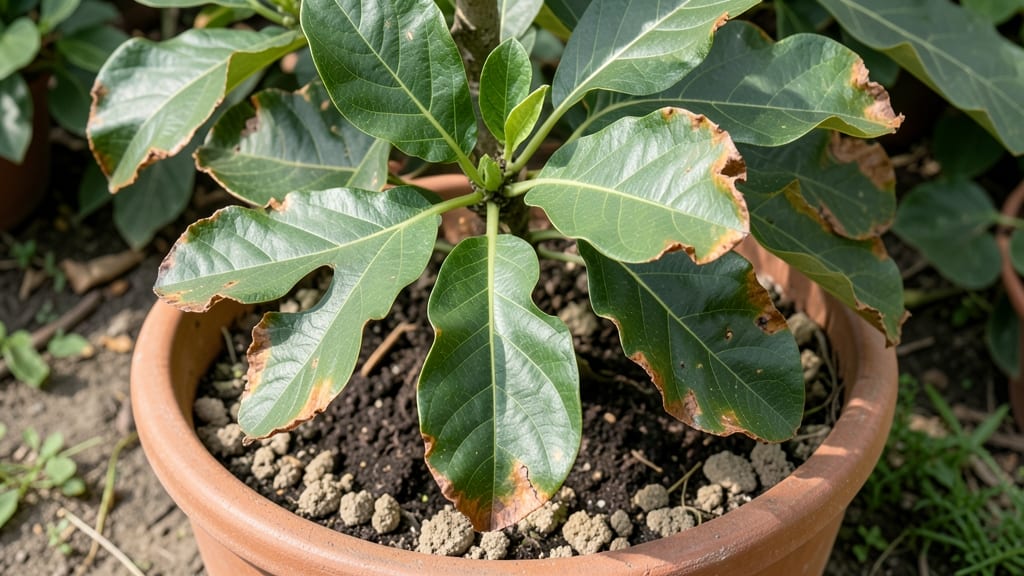
If your avocado tree’s leaves are developing crispy brown edges, dry soil is likely the culprit. Unlike overwatering, which causes yellowing, underwatering creates brittle, brown tips that spread inward—often starting on the older leaves first.
Avocado trees thrive when the top 1-2 inches of soil are dry between waterings, but frequency depends on your climate. In hot, dry regions, water every 5-7 days; in cooler areas, stretch it to 10-14 days. Test soil moisture by sticking your finger 1-2 inches deep—if it feels dry, it’s time to water. Use a well-draining mix with perlite or sand to prevent moisture retention issues.
Container growers should also check for root-bound conditions, as restricted roots can’t absorb water efficiently. If you’re unsure, repot into a slightly larger container with fresh potting soil. 🌱
Chlorine and Fluoride Damage Fix
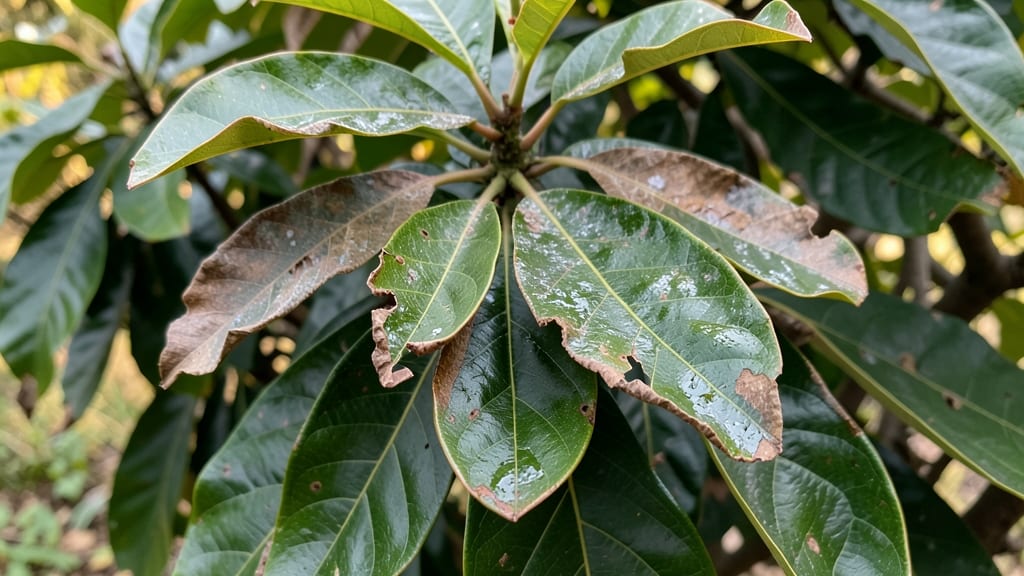
If your avocado tree’s leaves are developing crispy, brown edges despite proper watering, the culprit might be lurking in your tap water. Chlorine and fluoride—common in municipal water supplies—can accumulate on foliage, causing unsightly damage that mimics nutrient deficiencies or overwatering.
To protect your tree, switch to filtered water (like a pitcher or reverse osmosis system) or collect rainwater in a clean barrel. Avoid letting water sit in the saucer—drain excess after watering to prevent chemical buildup. For severe cases, wipe leaves gently with a damp cloth using distilled water. This simple swap can prevent further damage and keep your tree’s foliage lush and green. 🌱
Nitrogen Deficiency Symptoms and Fixes
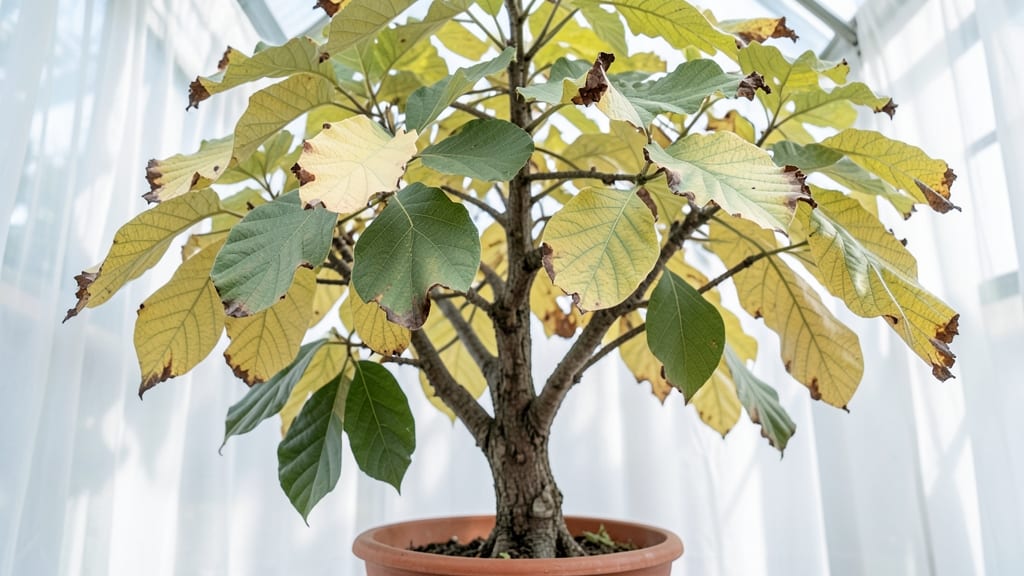
Notice your avocado tree’s leaves turning a pale yellow with brown tips? This classic sign of nitrogen deficiency means your tree is hungry for this essential nutrient. Unlike other causes of brown tips, nitrogen deficiency starts with yellowing between the veins before progressing to crispy edges.
Fix it by amending your soil with organic nitrogen sources like well-aged compost, worm castings, or a diluted fish emulsion (mix 1 tablespoon per gallon of water). Avocado trees thrive in well-draining, slightly acidic soil (pH 6.0–7.0), so work these amendments into the top 6 inches of soil during spring planting or whenever you notice new growth slowing. For container-grown trees, top-dress with compost every 3–4 months.
This approach works best for gardeners who’ve ruled out watering issues (covered in previous items) and want to avoid chemical fertilizers. With consistent feeding, your tree will reward you with deep green foliage and stronger growth in just a few weeks. 💚
Salt Buildup in Soil Remedies
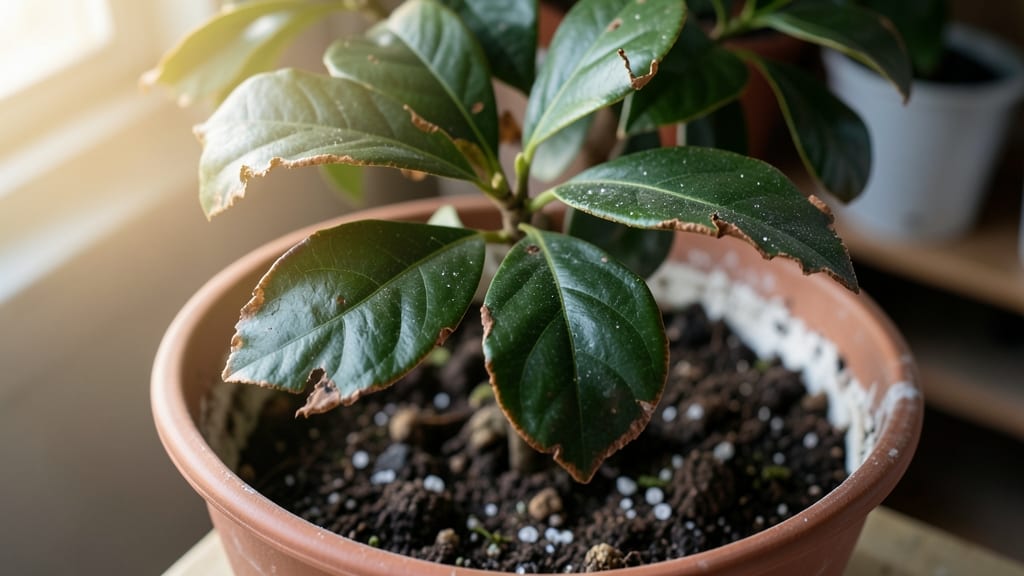
If your avocado tree’s leaves are sporting crispy brown tips despite proper watering, salt buildup might be the culprit. Overzealous fertilizing or hard tap water leaves behind mineral deposits that disrupt nutrient uptake, causing those unsightly edges. This hidden issue thrives in container-grown trees where salts accumulate faster than in garden beds.
To restore balance, flush the soil with distilled or rainwater—avoid tap water during recovery. Water thoroughly until it drains freely from the bottom, repeating every 2-3 weeks until new growth appears. For severe cases, mix 1 part hydrogen peroxide (3%) with 20 parts water to break down salt crystals before flushing. After treatment, use a balanced, organic fertilizer (like 5-5-5) sparingly to prevent recurrence.
This remedy is especially critical for urban gardeners using city water or those who fertilize monthly. With patience, your tree’s roots will recover, and you’ll see fresh, vibrant leaves within 4-6 weeks. 💚
Low Humidity and Air Circulation
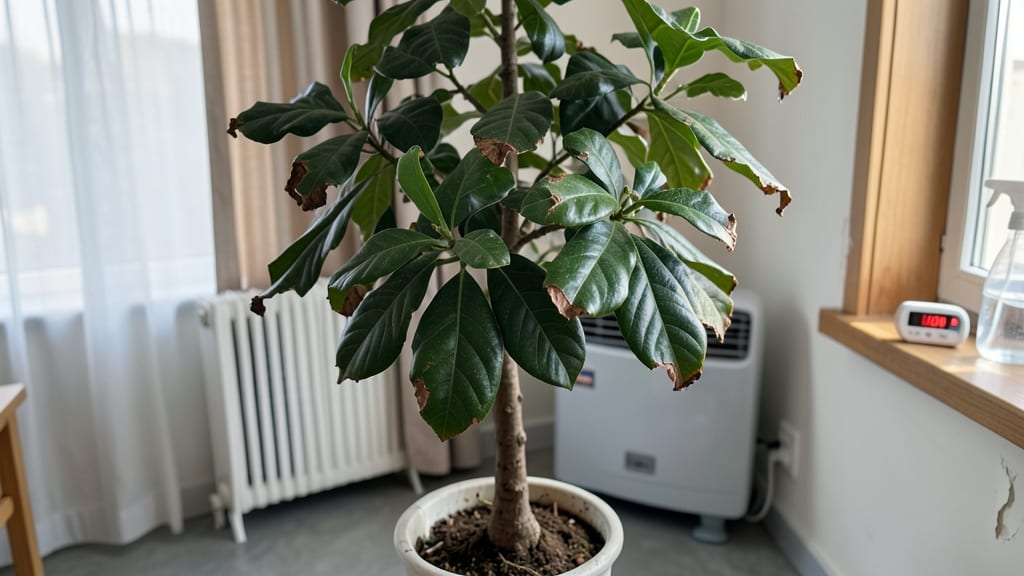
If your avocado tree is developing crispy brown edges indoors, dry air might be the culprit. Indoor heating and air conditioning systems suck moisture from the air, leaving your tree's leaves parched and brittle—especially in winter months when humidity naturally drops.
Boost moisture levels by placing a humidifier near your tree or misting the leaves lightly with room-temperature water every few days. For a budget-friendly fix, group your avocado tree with other houseplants to create a mini humid microclimate. Additionally, position the tree near a south- or west-facing window to improve airflow while ensuring it gets bright, indirect light—this helps balance humidity and circulation naturally.
This solution is perfect for urban gardeners or anyone keeping their avocado tree indoors year-round. With consistent moisture and better airflow, your tree will regain its lush, green appearance in just a few weeks. 💚
Pest Infestation Damage Control
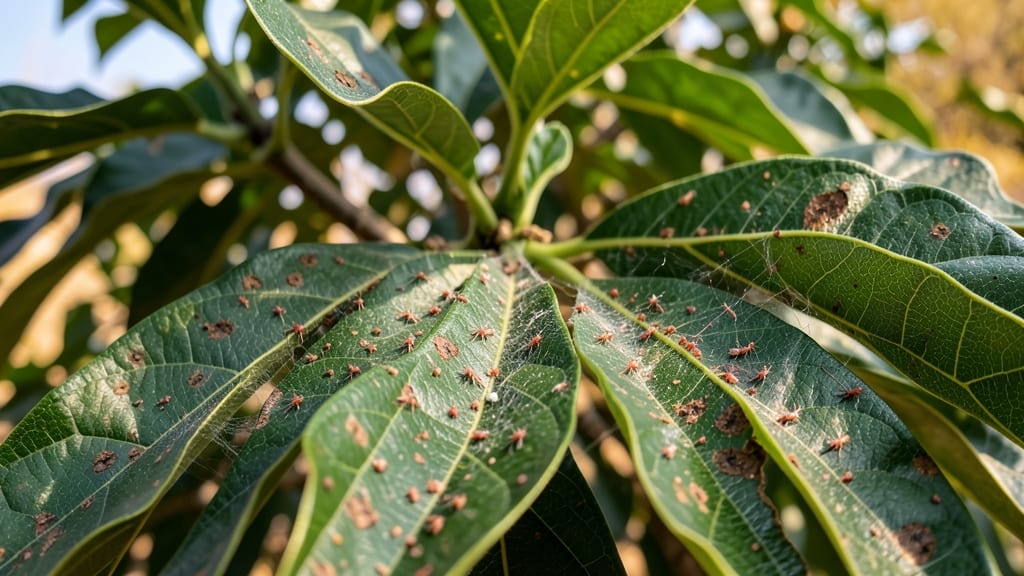
When your avocado tree’s leaves develop brown spots or webbing, tiny pests like spider mites or aphids are likely the culprits. These sap-sucking invaders weaken your tree by draining nutrients, causing discoloration and stunted growth—especially in hot, dry conditions where they thrive.
Start by isolating the tree to prevent spread, then spray leaves with a neem oil solution (1 tsp neem oil + 1 quart water + drop of dish soap) or insecticidal soap every 5–7 days. For severe infestations, repeat treatments for 2–3 weeks while keeping the tree’s environment humid (mist leaves daily) to deter pests. Always test sprays on a few leaves first to avoid chemical burn.
This organic approach works best for indoor/outdoor avocado trees and prevents future outbreaks—perfect for gardeners who prefer chemical-free solutions. 💚
Cold Drafts and Temperature Shock
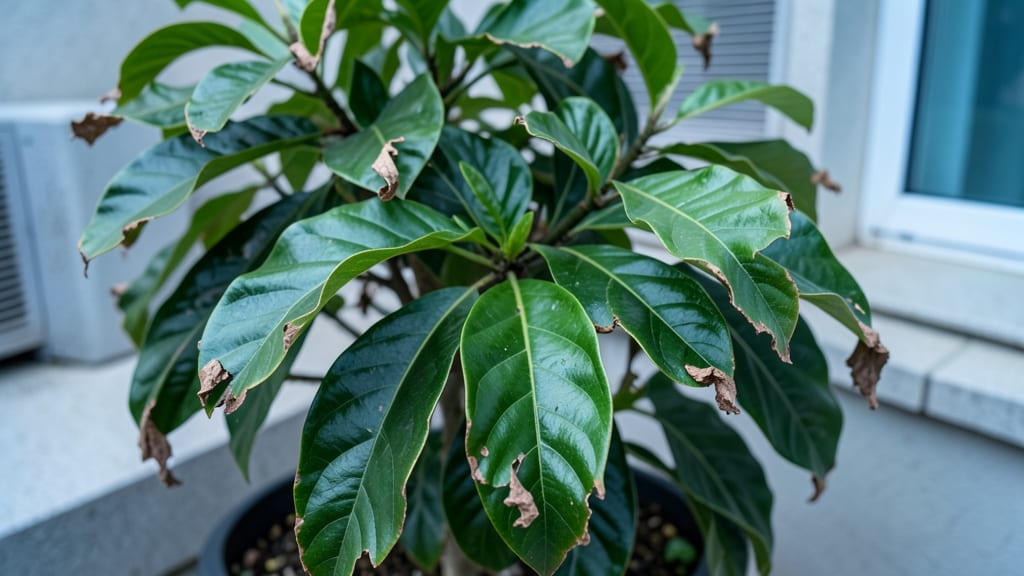
If your avocado tree suddenly develops brown tips after a chilly draft or AC blast, temperature shock is likely the culprit. Avocado trees thrive in consistent warmth (65–85°F), and sudden drops below 55°F can cause irreversible leaf damage, especially in sensitive varieties like Hass.
Relocate your tree away from drafty windows, doors, or AC vents, and avoid placing it near exterior walls during winter. For indoor growers, use a small space heater (set to 60°F minimum) near the plant during cold snaps, but keep it 3 feet away to prevent leaf scorch. Grouping your avocado with other houseplants creates a microclimate that stabilizes temperature fluctuations.
This fix is especially critical for urban gardeners with limited outdoor space or those growing avocados indoors year-round. A little warmth and protection can save your tree from permanent damage. 💚
Fungal Infections and Leaf Spot Treatment
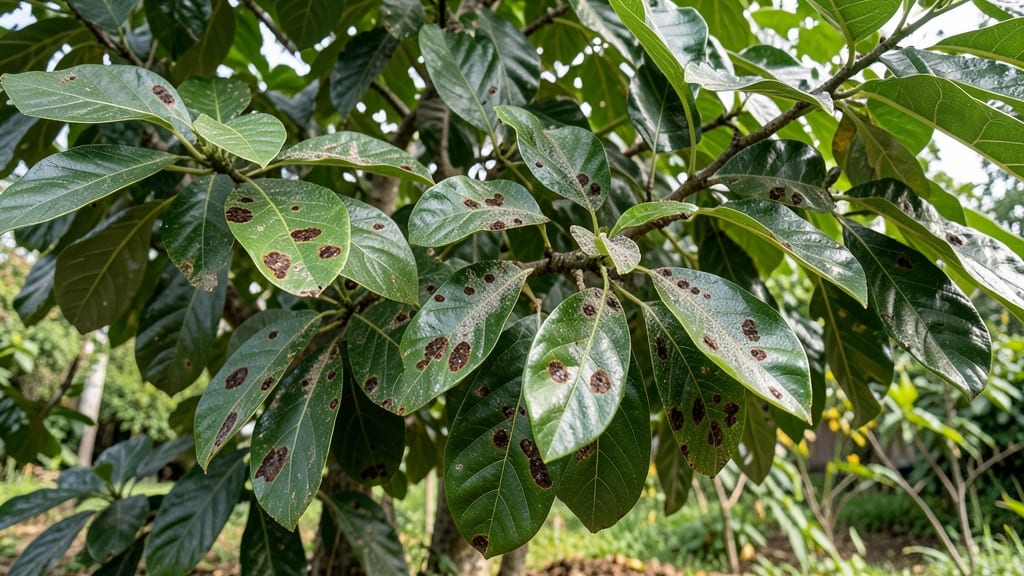
Those dark brown, irregular spots creeping across your avocado tree’s leaves aren’t just unsightly—they’re a fungal infection waiting to spread. Unlike crispy edges from environmental stress, leaf spot diseases thrive in damp conditions, turning healthy foliage into a patchwork of decay if left untreated.
Start by pruning infected leaves with clean, sharp shears to remove the source of spores. Then, apply a copper fungicide (like copper sulfate or Bordeaux mixture) every 7-10 days until new growth appears. For prevention, improve airflow around your tree and avoid overhead watering—fungus loves moisture on leaves. This two-step approach stops the spread and restores your tree’s health within weeks.
Gardeners in humid climates or those with crowded plantings will find this solution especially critical. With prompt action, your avocado tree can bounce back from fungal infections before they become a full-blown crisis. ✨
Over-Fertilization Burn Prevention

If your avocado tree’s leaves are developing crispy, brown edges after feeding, you’re likely dealing with over-fertilization burn—a common but preventable issue. Too much fertilizer, especially synthetic blends, creates a chemical imbalance that damages delicate foliage, mimicking underwatering symptoms but with a distinct, crispy texture.
First, dilute your fertilizer to half-strength and apply it only every 6-8 weeks during active growth (spring to early fall). After applying, water thoroughly to help flush excess salts from the root zone. For existing damage, trim affected leaves and repot if the soil is heavily salted, using fresh, well-draining potting mix. Avocado trees thrive on moderation—more isn’t better when it comes to nutrients.
This fix is a game-changer for container growers and indoor gardeners who often overcompensate with fertilizer. With these adjustments, your tree will bounce back with lush, green leaves in no time. 🌱