
Trees
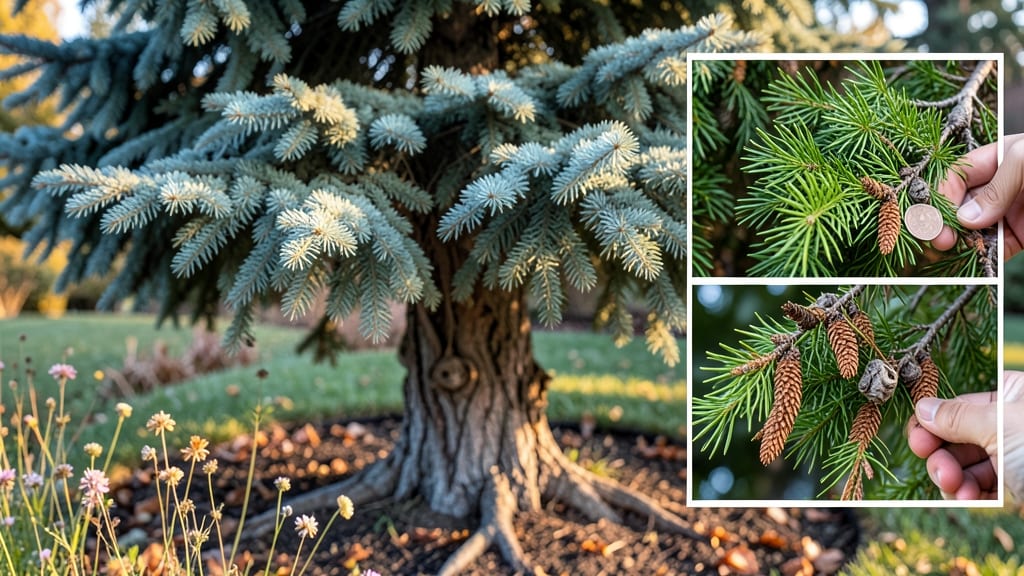
Your cedar tree’s the leaves are turning brown early this year—what once looked vibrant now resembles a premature autumn. 🌲 The culprit could be anything from drought stress to cedar blight—a fungal disease that thrives in damp conditions.
I’ve seen this happen after a dry spell or when summer heat lingers too long, and the good news is, you can often reverse it with simple fixes.
Start by checking the pattern: uniform browning often means drought or poor drainage, while irregular spots suggest pests like spider mites or fungal issues. Prune affected branches immediately to improve airflow, then water deeply but infrequently—cedars hate soggy roots.
For fungal problems, a copper-based fungicide applied in early spring can work wonders.
Within weeks, you’ll see fresh green growth pushing through, and your tree will look like it did before the stress set in. The key is acting fast—cedars are tough but not invincible. With the right care, you’ll have that lush, healthy look back in no time.
Prevention is easier than cleanup: mulch properly, avoid overwatering, and inspect your tree regularly for early signs of trouble. A little attention now means fewer brown needles next season.
Root Causes Of Needle Discoloration
Understanding why your cedar tree’s leaves (or needles) are turning brown starts with identifying the environmental and biological stressors at play. Cedar trees, like all evergreens, rely on precise conditions to maintain their signature green hue.
When these conditions shift—due to natural cycles, pests, or human intervention—the needles respond with visible distress. Below, we break down the most common culprits behind browning cedar needles, complete with scientific explanations and actionable insights.
---
Cedar trees thrive in moderate climates, but their resilience has limits. Both freezing winters and scorching summers can trigger browning.
- Winter Burn (Cold Stress): When temperatures drop below -20°F (-29°C), cedar needles may suffer desiccation—a drying effect caused by frozen soil preventing water uptake. The needles lose moisture, turn brown at the tips, and eventually crisp.
This is especially common in young trees or those planted in exposed, windy locations where cold winds accelerate moisture loss. - Actionable fix: Mulch the base with 3–4 inches of organic mulch (like pine bark) to insulate roots. Water deeply before the first hard frost to ensure stored moisture.
- Heat & Drought Stress: Prolonged high temperatures (above 90°F/32°C) combined with low humidity force cedars into a survival mode. Needles close their stomata (pores) to conserve water, halting photosynthesis.
Without moisture, chlorophyll breaks down, leading to bronzing or brown patches. - Actionable fix: Deep watering (1–1.5 inches per week) during dry spells. Use drip irrigation to deliver water directly to roots and reduce evaporation. Avoid overhead watering, which can encourage fungal diseases.
---
Cedars hate wet feet—their roots require well-draining soil to prevent root rot, a fungal infection that chokes the tree. Conversely, underwatering stresses the tree, leading to needle browning.
- Overwatering & Root Rot: Compacted or clay-heavy soil traps excess moisture, creating anaerobic conditions where fungi like Phytophthora thrive.
Infected roots can’t absorb nutrients, causing needles to turn yellow-brown before falling off. - Signs: Mushy, discolored roots; needles dropping in clusters. - Actionable fix: Improve drainage by amending soil with compost or sand. Avoid watering unless the top 2 inches of soil are dry.
If rot is severe, consult an arborist about fungicide treatments.
- Underwatering & Needle Scorch: Cedars in containers or sandy soil dry out quickly. Needles may curl and brown along the edges, a condition called scorch. This is often irreversible if the tree is severely dehydrated. - Actionable fix: Check soil moisture weekly in dry climates.
Group cedars with other plants to create a microclimate that retains humidity.
---
Cedars are pest magnets, especially for insects that feed on sap or lay eggs in needles. Diseases, often fungal, exploit stressed trees, turning vibrant green into rust-colored or blackened needles.
- Bagworms & Spider Mites: - Bagworms (Thyridopteryx ephemeraeformis) spin silk bags on branches, defoliating trees.
Their feeding weakens the tree, causing needles to brown prematurely. - Spider mites (Tetranychus urticae) suck cell sap, leading to stippled, bronze-brown needles. - Actionable fix: Handpick bagworm bags (wear gloves!) and drop them in soapy water.
For mites, spray with neem oil or horticultural oil in early spring before eggs hatch.
- **Cedar Rust Fungus (Gymnosporangium juniperi-virginianae): This orange-brown fungus causes gall-like growths on needles, which eventually turn black and brittle. It requires a juniper host** to complete its life cycle. - Actionable fix: Remove all infected branches (sterilize pruners with rubbing alcohol).
Treat with copper fungicide in early spring. If junipers are nearby, monitor them for telial horns (fungal spores) and prune them too.
- Scale Insects & Aphids: These sap-suckers leave behind sticky honeydew, which attracts sooty mold—a black fungus that coats needles, blocking sunlight and causing browning. - Actionable fix: Blast off insects with a strong hose or apply insecticidal soap in late summer.
---
Poor air or soil quality can silently stress cedars, leading to gradual needle discoloration.
- Air Pollution (Ozone & Sulfur Dioxide): Trees near highways, factories, or agricultural fields absorb pollutants like ozone (O₃) and sulfur dioxide (SO₂), which damage chlorophyll and cause interveinal browning (brown patches between needle veins). - Actionable fix: If pollution is the issue, consider relocating the tree or planting it in a buffered area with other trees to filter pollutants.
- Poor Soil pH or Nutrient Deficiencies: Cedars prefer slightly acidic soil (pH 5.0–7.0). Alkaline soil (pH >7.5) locks out essential nutrients like iron, manganese, and zinc, leading to chlorosis (yellowing between veins) followed by browning. - Actionable fix: Test soil pH with a DIY kit or send a sample to a lab.
If pH is high, amend with elemental sulfur or peat moss. For deficiencies, apply a balanced fertilizer (10-10-10) in early spring.
- Salt Buildup (From Deicing or Fertilizer Burn): Road salt or over-fertilizing can burn roots, causing needle tip burn (brown, crispy edges). This is common in urban landscapes. - Actionable fix: Flush soil with water to leach out excess salt.
Use slow-release, organic fertilizers and avoid winter salt applications near the tree.
--- Not all browning is a cause for alarm! Cedars have a natural lifespan for needles: - Eastern Red Cedar: Needles last 2–3 years before turning brown and falling. - Western Red Cedar: Needles last 5–7 years.
- When to Worry: If more than 25% of needles brown in a single season, or if browning occurs mid-season (not just in fall/winter), investigate the causes above.
- Actionable Tip: Rake and remove old needles in late winter to prevent fungal growth and improve soil aeration.
Quick fixes for reviving your cedar
When your cedar tree’s leaves start turning brown, it’s a clear signal that something needs attention—whether it’s a pest invasion, fungal infection, or environmental stress. The good news? Most issues are fixable with targeted action.
Below, we’ve mapped out practical solutions for the most common causes, along with prevention tips to keep your cedar thriving long-term. Let’s get your tree back to its lush, green glory!
---
Fix: Cedars hate soggy roots, which can lead to root rot and brown, wilted needles. If your tree is in a low-lying area or heavy clay soil, it’s time to improve drainage and adjust watering habits.
1. 🔥 Check the Soil Dig a small hole (6–8 inches deep) near the tree’s base. If the soil feels damp or smells musty, drainage is the issue. Well-drained soil should feel slightly dry at this depth.
2. 🍳 Amend the Soil Mix in organic matter like compost or coarse sand to loosen heavy soil. For clay-heavy areas, consider raising the planting bed slightly to encourage runoff.
3. 👨🍳 Adjust Watering Cedar trees prefer deep but infrequent watering. Water once a week (or less in winter) with 1–2 inches of water per session. Avoid shallow, frequent watering, which keeps roots wet too long.
4. ⏰ Mulch Properly Apply a 2–3 inch layer of mulch (wood chips or pine straw) around the base, but keep it 6 inches away from the trunk to prevent rot.
💡 Prevention Tip: Plant cedars on slightly elevated ground or slopes where water drains naturally. If your yard floods easily, consider French drains or swales to redirect excess water.
---
Fix: Brown needles can signal a pest party—whether it’s bagworms, spider mites, or fungal diseases like cedar blight. Act fast to stop the spread!
#### 🔪 Bagworms or Spider Mites 1. 🔍 Inspect Closely Look for small, brown cocoon-like bags (bagworms) or fine webbing (spider mites) on needles. Shake a branch over a white sheet to spot pests.
2. 🚿 Spray with Insecticidal Soap or Neem Oil - Neem oil (1 tbsp per gallon of water + a drop of dish soap as an emulsifier) smothers eggs and larvae. - Insecticidal soap works well for spider mites. Spray early morning or late evening to avoid burning foliage.
3. 🕷️ Manual Removal (For Bagworms) Handpick bags and drop them in soapy water to kill larvae. Repeat every 10–14 days until no new bags appear.
#### 🍄 Fungal Diseases (Cedar Blight, Root Rot) 1. 🌡️ Prune Infected Branches Cut off brown, mushy, or oozing branches with sterilized pruners (wipe with rubbing alcohol between cuts). Dispose of infected debris in the trash (not compost).
2. ✨ Fungicide Treatment Apply a copper-based fungicide (like copper sulfate) or baking soda spray (1 tbsp baking soda + 1 tsp dish soap per gallon of water) every 2–3 weeks during wet seasons.
3. 🌬️ Improve Airflow Thin out dense branches to reduce humidity around the tree, which slows fungal growth.
💡 Prevention Tip: - Space trees 6–10 feet apart to prevent overcrowding. - Water at the base (not overhead) to avoid fungal spores splashing onto needles. - Avoid overhead irrigation in humid climates.
---
Fix: Cedars are tough, but intense sun, harsh winds, or drought can scorch needles. If the brown patches are on exposed sides, environmental factors are likely the culprit.
1. 🌞 Provide Light Shade If your cedar is in a full-sun, windy spot, consider temporary shade cloth (30–50% coverage) during extreme heat. Permanent solutions include planting near a windbreak (like a fence or shrubs).
2. 💧 Deep Watering During Droughts If your area is experiencing a dry spell, water deeply once a week (as mentioned above) to encourage deep root growth.
3. 🌡️ Mulch to Retain Moisture A 3-inch layer of mulch helps regulate soil temperature and reduces water loss. Just avoid piling it against the trunk.
💡 Prevention Tip: - Choose the right location—cedars thrive in full sun to partial shade with moderate wind protection. - Group cedars with other evergreens to create a natural windbreak.
---
Fix: Yellowing or browning needles can signal nutrient deficiencies, especially iron, nitrogen, or magnesium. A simple soil test can confirm, but here’s how to boost health:
1. 📊 Test Your Soil Use a home soil test kit (or send a sample to a local extension office) to check pH and nutrient levels. Cedars prefer slightly acidic soil (pH 5.0–7.0).
2. 💪 Fertilize Smartly - For nitrogen deficiency (yellowing needles): Apply a slow-release, organic fertilizer (like blood meal or fish emulsion) in early spring. - For iron/magnesium (brown spots between veins): Use an iron chelate or Epsom salt spray (1 tbsp Epsom salt per gallon of water, sprayed on needles).
3. 🌱 Avoid Over-Fertilizing Too much fertilizer can burn roots and worsen problems. Stick to light applications in early spring and fall.
💡 Prevention Tip: - Top-dress with compost annually in spring or fall to gradually improve soil health. - Avoid synthetic fertilizers high in salt—they can harm cedar roots.
--- Final Thought: Most cedar leaf issues are reversible with the right care. Start by identifying the cause, then follow the steps above to revive your tree’s needles. With patience and consistency, your cedar will bounce back—stronger and greener than ever! 🌿✨
Frequently asked questions
Why are my cedar tree needles turning brown in patches instead of all at once?
Patchy browning often signals a localized issue like pest infestations (such as spider mites or bagworms) or fungal diseases (like cedar blight). Check for fine webbing (mites) or small brown bags (bagworms) on affected branches. Fungal spots may appear rust-colored or blackened—prune infected areas immediately and apply a copper fungicide.
Can I save my cedar tree if the brown needles are crispy and falling off?
Crispy, falling needles often indicate severe drought stress or winter burn. While you can’t revive dead needles, new growth can replace them. Deep water the roots (1–2 inches per week) and apply 3 inches of mulch to protect roots. If the tree still has green needles, it’s likely to recover with proper care.
How do I tell if my cedar tree is dying vs. just shedding old needles?
Cedars naturally shed 2–3 year-old needles (Eastern Red Cedar) or 5–7 year-old needles (Western Red Cedar). If more than 25% of needles brown in a single season or if the tree loses entire branches, it’s in distress. Healthy cedars should have at least 50% green needles—if not, investigate root rot, pests, or disease.
Will pruning brown branches help my cedar tree recover?
Yes! Pruning dead or heavily brown branches improves airflow and reduces fungal spread. Use sterilized pruners to cut 1/4-inch above healthy growth. Avoid over-pruning—remove only 20–30% of the tree’s canopy at a time. Thin out dense areas to let sunlight reach inner branches, which encourages new growth.
Can I use household items (like vinegar or baking soda) to treat brown needles?
Baking soda can help with fungal issues—mix 1 tablespoon baking soda + 1 teaspoon dish soap per gallon of water and spray on needles. Vinegar is too harsh for cedars (it lowers soil pH). For pests, try neem oil (1 tablespoon per gallon of water) or insecticidal soap. Always test sprays on a small branch first!