
Plants
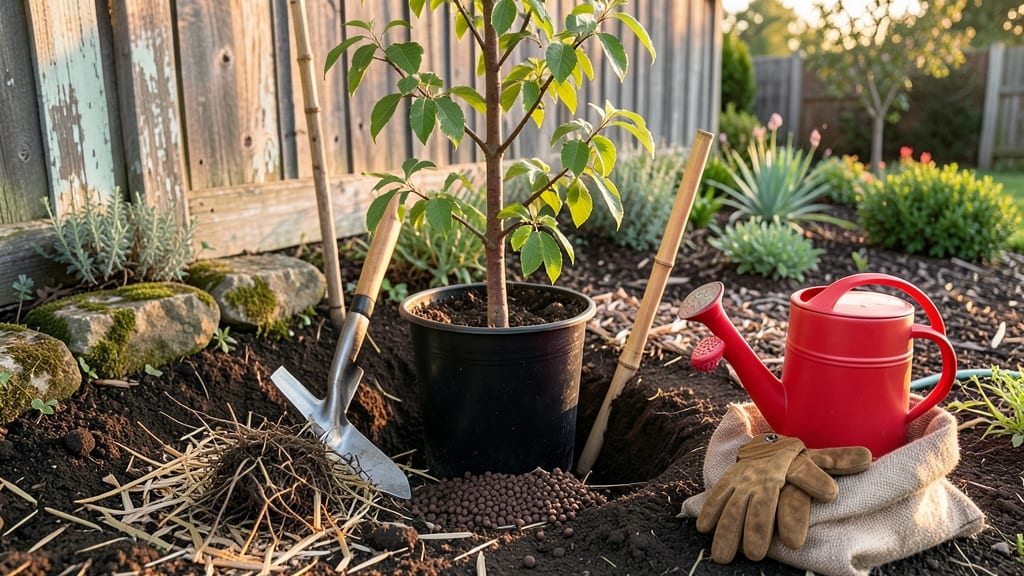
Planting a peach tree in Texas at the right time means the difference between a fruit-laden tree and one that struggles to survive the heat. If you’ve ever watched a young 🍑 wilt under a late frost or bolt into summer before it’s ready, you know timing is everything.
Texas gardeners face a unique challenge: brutal summers, unpredictable winters, and microclimates that can vary by just a few miles. Plant too early, and frost zaps your sapling. Too late, and the heat stress stunts growth before it even starts.
Here’s the best strategy for your region—whether you’re in North Texas’s chilly winters or South Texas’s extended growing season. We’ll cover the ideal months, soil prep, and how to pick varieties that thrive in 8a-10b zones.
By the end, you’ll know exactly when to dig that hole, how deep to plant, and what to watch for in the first critical months. Let’s get your peach tree off to the right start.
Best planting months for peach trees in Texas by region
Texas’ diverse climate means one planting window doesn’t fit all. From the chilly North Texas plains to the drought-prone West, timing your peach tree can make or break its survival. The key? Plant when soil warms but frost risks fade—typically late winter to early spring.
But let’s break it down by region, because a Dallas peach tree needs different care than one in El Paso.
Peach trees thrive in USDA Zones 8a-10b, but Texas’ microclimates create huge differences. For example, Austin’s last frost often arrives weeks earlier than Dallas’, while Houston’s humidity demands extra vigilance against fungal diseases.
Even West Texas’ short growing season requires strategic planting to avoid summer heat stress. Let’s dive into the best months for each region.
⚠️ Critical Note: Always check your local frost dates—they can shift yearly. Use the Texas A&M AgriLife Extension frost maps as your guide. Planting too early risks frost damage to tender new growth, while planting too late exposes young trees to summer heat stress.
| Region | Best Planting Window | Last Frost Date | Soil Temp Requirement | Drought Risk |
|---|---|---|---|---|
| North Texas (Dallas/Fort Worth) | Mid-February to early March | February 15 (avg) | 50°F+ (10°C+) | Moderate (water deeply) |
| Central Texas (Austin/San Antonio) | Late January to mid-February | January 20 (avg) | 55°F+ (13°C+) | Low to moderate |
| East Texas (Houston) | Mid-January to early February | January 10 (avg) | 50°F+ (10°C+) | Low (humidity helps) |
| West Texas (El Paso) | Late March to early April | March 1 (avg) | 60°F+ (16°C+) | High (drip irrigation essential) |
In North Texas, aim for mid-February to early March when soil temperatures consistently stay above 50°F (10°C). This gives young roots time to establish before summer’s brutal heat arrives. Use mulch heavily to retain moisture—Dallas summers can dry out soil faster than you think.
I’ve seen peach trees planted in April struggle here; they often bolt into growth too quickly, leaving them vulnerable to heat stress.
Central Texas gardeners have a slightly earlier window—late January to mid-February. The milder winters in Austin and San Antonio mean frost risks drop sooner, but don’t rush. Wait until soil temps hit 55°F (13°C) to avoid root rot from cold, wet soil. I recommend dwarf varieties like Redhaven for urban yards; they fruit faster and handle Central Texas’ intense sun better than standard trees.
If you’re in East Texas, you’re in luck—plant as early as mid-January. The humidity here actually helps peach trees, but watch for peach leaf curl, a fungal disease that thrives in wet conditions.
Choose disease-resistant varieties like Elberta and plant in well-draining soil. I’ve had success with container-grown trees in Houston’s urban areas; they let you control soil conditions better.
West Texas is the trickiest—plant late March to early April when soil temps reach 60°F (16°C). The short growing season and extreme drought mean you’ll need drip irrigation and deep watering (15-20 gallons per tree weekly). Varieties like Halford handle heat better, but even they’ll struggle without consistent moisture. I’ve seen peach trees in El Paso survive only because they’re planted near shade cloth to protect them from afternoon sun.
Pro tip: Bare-root trees should always go in
Critical factors to consider before planting peach trees in Texas
Peach trees thrive in Texas when planted with careful attention to soil conditions, water availability, and frost protection. The ideal soil pH of 6.0–6.5 ensures nutrient absorption, while drought-resistant varieties like Redhaven or Elberta handle Texas heat better. Without these factors, even the best timing can fail.
Texas’ unpredictable frost and intense summer heat demand proactive planning. Young trees need frost cloths or mulch blankets in winter, while drip irrigation prevents root stress during dry spells. Skipping these steps risks stunted growth or disease.
Here’s a quick breakdown of what to prioritize before planting:
✅ DO These for Success
- Test soil pH (aim for 6.0–6.5) to prevent nutrient deficiencies.
- Use drip irrigation to deliver consistent moisture without overwatering.
- Choose heat-tolerant varieties like Halford or Redhaven for Texas’ climate.
- Apply frost cloths in late fall to protect young trees from unexpected cold snaps.
❌ DON’T Make These Mistakes
- Skip soil amendments—Texas clay soil needs compost or sand for drainage.
- Plant in summer—heat stress kills young roots; wait for cooler months.
- Ignore mulch—organic mulch retains moisture and regulates soil temperature.
- Use non-native varieties—stick to Texas-adapted peaches like Elberta or June Gold.
Your watering system is critical—peach trees need deep, infrequent watering to develop strong roots. Drip irrigation is ideal, as it delivers water directly to the roots while reducing evaporation. Avoid overhead sprinklers, which can spread fungal diseases in Texas’ humidity.
For frost protection, consider wrapping young trees with frost cloth or using row covers during late fall and early spring. Even Texas’ mild winters can drop below freezing, and peach blossoms are especially vulnerable. A simple mulch ring around the base also insulates roots.
Finally, variety selection matters—opt for disease-resistant types like Redhaven or Halford. These varieties handle Texas’ heat and humidity better than traditional peaches, reducing the risk of peach leaf curl or brown rot. Always buy from a reputable nursery to ensure healthy stock.
With these factors in place, your peach tree will establish strong roots, resist pests, and produce fruit for years to come. Happy planting! 🌱🍑