
Trees
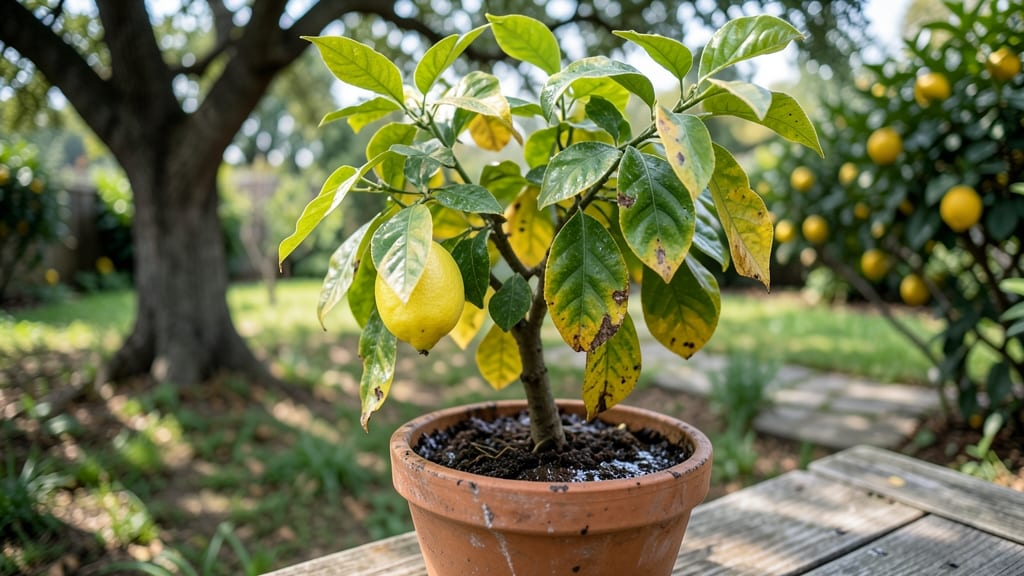
If you're wondering what does an overwatered lemon tree look like?, the answer is drooping, yellowing leaves that are basically screaming, "I’m drowning!" 🌿 Overwatering turns vibrant green leaves into sad, mushy messes, and the roots start rotting before you even notice.
The difference between a thriving tree and a struggling one often comes down to how much water it’s getting (or not getting). Compare your tree to a healthy one: firm stems, glossy leaves, and soil that’s slightly damp but not soggy.
Overwatered trees have leaves that feel limp to the touch, edges that curl or brown, and a foul smell when you check the roots. The soil stays clumpy and stays wet for days after watering—this is your first warning sign.
Here’s the fix: let the top 2-3 inches of soil dry out completely between waterings, and make sure your pot has drainage holes. If the roots are already rotting, trim the mushy parts and repot in fresh, well-draining soil.
It’s a tough love moment, but your tree will thank you with new growth in weeks. Prevention is easier than cleanup—stick to a watering schedule based on your climate, and always check the soil before watering. A little neglect now saves a lot of heartache later.
Why it happens
When your lemon tree starts showing signs of distress—like droopy, yellowing leaves or mushy stems—it’s often a cry for help from the roots. Overwatering is a sneaky problem because it doesn’t happen overnight, and the damage is usually invisible until it’s too late.
But why does this happen in the first place? Let’s break down the key culprits behind an overwatered lemon tree, so you can fix the issue before it’s irreversible.
🌧️ Poor Drainage In The Soil
Lemon trees are Mediterranean natives, meaning they thrive in well-draining soil that mimics their natural rocky, sandy habitats. When planted in heavy clay or compacted soil, water pools around the roots instead of draining away. This creates an oxygen-deprived environment where roots suffocate, leading to:
- Root rot (a fungal infection caused by Phytophthora or Pythium)
- Stunted nutrient uptake (roots can’t absorb water or minerals efficiently)
- Yellowing leaves (chlorosis) due to oxygen starvation
Pro tip: 💡 Test your soil’s drainage by digging a hole, filling it with water, and timing how long it takes to drain. If it’s slower than 4–6 hours, amend with perlite, coarse sand, or organic matter like compost.
💦 Overzealous Watering Habits
Even with good soil, watering on a schedule (rather than by need) is a fast track to overwatering. Lemon trees in containers or sandy soil dry out quickly, but well-meaning gardeners often:
- Water every few days regardless of weather (e.g., after rain or high humidity)
- Use low-quality hoses or sprinklers that create a soggy top layer without penetrating deeply
- Ignore the “soak-and-dry” method, which is critical for citrus trees
When roots stay saturated, they can’t breathe. Without oxygen, beneficial microbes die off, and harmful pathogens take over. Pro tip: 🌡️ Stick your finger 2–3 inches into the soil—if it’s damp, wait. If it’s dry, water deeply until it runs out the drainage holes.
🏺 Containers Without Proper Drainage
Potted lemon trees are especially vulnerable because containers trap moisture. If your pot lacks drainage holes or you’re using a cache pot (a decorative outer pot without holes), water has nowhere to go. Combine this with:
- Small pots that dry out slowly (roots circle the container, creating a compacted root ball)
- Plastic or glazed pots that retain moisture longer than terracotta
- No mulch layer to regulate temperature and evaporation
Result? Roots drown in stagnant water, leading to anaerobic conditions (no oxygen) and the release of ethylene gas, which signals the tree to drop leaves. Pro tip: ✨ Upgrade to a pot with drainage holes and elevate it on feet to improve airflow.
Use a well-draining potting mix (citrus-specific blends work best).
🌿 Humidity And Temperature Mismatches
Lemon trees hate consistent humidity without airflow. In hot, muggy climates or indoor settings (like bathrooms), excess moisture lingers around the foliage and soil. When combined with:
- Low light (slowing evaporation)
- No airflow (from fans or open windows)
- Fungal spores in the air (common in greenhouses)
The result is a perfect storm for root and foliar diseases. High humidity also tricks roots into thinking they’re in a rainforest, encouraging excessive transpiration (water loss through leaves) that the roots can’t keep up with. Pro tip: 🔥 Use a hygrometer to monitor humidity—keep it between 40–60%.
Add a fan for circulation or mist leaves sparingly in dry conditions.
🔄 Seasonal Watering Mistakes
Water needs change with the seasons, but many gardeners stick to a summer schedule year-round. In winter or fall, lemon trees enter dormancy and require:
- Less frequent watering (growth slows, so roots need less)
- More drainage (cooler temps reduce evaporation)
- Protection from wind (which can dry out soil unevenly)
Overwatering in these seasons delays dormancy, stressing the tree and making it susceptible to pests. Pro tip: 🎯 Reduce watering by 30–50% in cooler months and mulch heavily to insulate roots.
How to Fix an Overwatered Lemon Tree
An overwatered lemon tree can be revived with the right care—don’t panic! The key is to correct the issue at its root (literally) and adjust your watering habits. Below, we’ll break down solutions by the most common causes of overwatering, along with prevention tips to keep your tree thriving.
If your lemon tree’s leaves are turning yellow or mushy, it’s likely suffering from root rot or nutrient starvation due to poor drainage.
Step 1: Stop Watering Immediately
🔥 Cut off all water for at least 3–5 days to let the soil dry out. This prevents further root damage.
Step 2: Check the Soil Moisture
👨🍳 Stick your finger 2 inches deep into the soil. If it’s still damp, wait another day or two before watering.
Step 3: Improve Drainage
🔪 Repot if necessary (if using a container) into a pot with drainage holes and fresh, well-draining soil mix. For in-ground trees, amend the soil with compost or perlite to improve aeration.
Step 4: Prune Affected Leaves
⏰ Trim yellow or brown leaves with clean pruning shears to redirect energy to healthy growth.
💡 Prevention Tip:
- Water deeply but infrequently—only when the top 1–2 inches of soil are dry.
- Use a moisture meter to avoid guesswork.
Drooping leaves often mean root suffocation or fungal issues from sitting in wet soil.
Step 1: Let the Soil Dry Completely
🥘 Move the tree to a shadier spot (if in full sun) to reduce evaporation stress while it recovers.
Step 2: Fluff the Soil Gently
🔄 Loosen compacted soil around the roots (if in a pot) to help air circulation. Avoid disturbing roots too much.
Step 3: Adjust Watering Schedule
✨ Water only when the soil is bone-dry—lemons hate "wet feet." Aim for 1–2 times per week in summer, less in winter.
💡 Prevention Tip:
- Use a self-watering pot with a reservoir (if container-grown) to control moisture better.
- Mulch around the base (but not touching the trunk) to retain even moisture without waterlogging.
If your tree has black, mushy roots or a foul smell, root rot may have set in. Act fast!
Step 1: Remove the Tree (If Severe)
🔪 Dig up the tree and inspect the roots. Trim away black, soft, or smelly roots with sterilized shears.
Step 2: Repot in Fresh, Sterile Soil
🌱 Use a mix of:
- 60% potting soil
- 30% perlite or pumice (for drainage)
- 10% compost (for nutrients)
Step 3: Treat with Fungicide (If Needed)
💊 Spray roots with a fungicide (like copper-based or hydrogen peroxide solution) before repotting.
Step 4: Monitor Closely
📊 Keep the soil barely moist for the first 2–4 weeks, then adjust as needed.
💡 Prevention Tip:
- Never let water pool in saucers or trays—empty them after watering.
- Avoid watering at night to reduce fungal growth.
Once your tree is on the mend, keep these habits to prevent future overwatering:
✅ Use the "Finger Test" – Always check soil moisture before watering. ✅ Choose the Right Pot – Ensure it has drainage holes and isn’t too small. ✅ Water at the Base – Avoid wetting leaves to prevent fungal diseases. ✅ Fertilize Lightly – Over-fertilizing can worsen moisture retention.
Use a balanced citrus fertilizer every 2–3 months.
Final Thought: 🌿 With patience and the right adjustments, your lemon tree can bounce back—sometimes even producing sweeter fruit once it’s properly cared for!
Frequently asked questions
How can I tell if my lemon tree is overwatered vs. underwatered?
Overwatered lemon trees have yellow, mushy leaves that droop even when soil is wet, while underwatered trees have crispy, brown edges and dry soil. Check the soil: if it stays damp for days or smells foul, it's overwatered. If the top 2 inches are bone-dry, it's thirsty.
Can I save my lemon tree if the roots are rotting?
Yes, but act fast! Trim away black, mushy roots with sterilized shears, repot in fresh, well-draining soil (60% potting mix + 30% perlite), and avoid watering for 5-7 days to let roots recover. Use a fungicide if needed.
Why do some leaves turn yellow while others stay green?
Yellowing leaves on older growth (bottom of tree) often means overwatering, while new leaves staying green show the tree is still photosynthesizing. The contrast occurs because older leaves can't recover from root stress, but new growth gets nutrients from healthier roots.
How often should I water my lemon tree in winter?
Reduce watering to every 3-4 weeks in winter, as growth slows. Let the soil dry completely between waterings—overwatering in cool weather stresses the tree and delays dormancy. A moisture meter helps avoid guesswork.