
Pruning
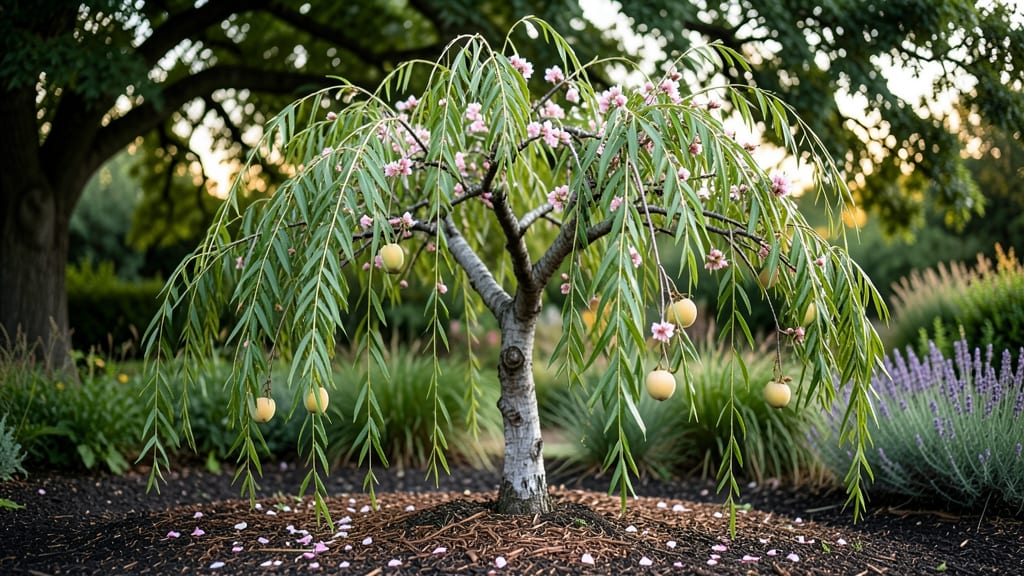
A full-grown weeping peach tree 🍑 transforms your garden into a living masterpiece, its graceful branches laden with fragrant blossoms and juicy fruit—but only if you prune it right.
Picture this: a 15-foot tree with cascading limbs, each one a potential fruit-bearing branch. Without strategic cuts, those branches can become tangled, fruit production drops, and the tree’s signature weeping shape gets lost in the chaos.
In this guide, I’ll walk you through the exact pruning steps to keep your weeping peach tree thriving—when to cut, how to shape it, and what tools to use for a stronger, fruit-heavy canopy.
You’ll also learn how to spot common mistakes (like over-pruning or ignoring dead wood) and adjust your care routine for seasonal changes—from winter protection to summer maintenance.
When and how to prune a full-grown weeping peach tree for optimal fruit & shape
A weeping peach tree full grown needs precise pruning to maintain its graceful cascading form while ensuring abundant fruit production. Unlike upright varieties, these trees grow horizontal branches that require careful thinning to prevent congestion and disease.
The best time to prune is during late winter dormancy (just before buds swell) or post-harvest in early fall, but never in spring when sap flows heavily.
Your goal is to balance shape and productivity. Over-pruning weakens the tree, while under-pruning leads to crowded branches and poor airflow—both reduce fruit quality. Start by removing dead, diseased, or crossing branches, then thin out 15-20% of the canopy to improve light penetration.
Use sharp, clean tools to make cuts at a 45-degree angle just above outward-facing buds.
Step-by-Step Pruning Guide for a Weeping Peach Tree
-
Step 1: Gather Tools
- Bypass pruners for small branches (under ½ inch)
- Loppers for medium branches (½ to 2 inches)
- Pruning saw for thick branches (over 2 inches)
- Disinfectant (rubbing alcohol) to sterilize tools
-
Step 2: Remove Dead/Diseased Wood
- Cut dead branches back to healthy wood
- Prune diseased branches 6 inches below infection
- Burn or dispose of infected wood off-site
-
Step 3: Thin the Canopy
- Remove 15-20% of branches to improve airflow
- Target crossing branches and water sprouts
- Prioritize older wood (3+ years) for fruit production
-
Step 4: Shape for Balance
- Maintain weeping form by shortening overlong branches
- Make cuts at 45-degree angles just above buds
- Avoid topping the tree—preserve natural shape
-
Step 5: Post-Pruning Care
- Apply wound dressing to large cuts (optional)
- Water deeply to reduce stress
- Monitor for new growth in 2-3 weeks
🌱 Pro Tip: Label branches you remove with twine to track growth patterns next season.
For late winter pruning (ideal for most regions), focus on structural shaping while the tree is dormant. This is when you’ll make the most bold cuts to reshape the weeping habit.
In post-harvest pruning (early fall), keep cuts light—just enough to remove spent fruit wood and encourage next year’s blooms.
Never prune during active fruit production (spring/summer), as this stresses the tree and reduces fruit set. Instead, use this time for light maintenance, like removing suckers or water sprouts.
If your tree produces excessive shade in certain areas, prune selective branches to let sunlight reach the ground—this also prevents fungal diseases like peach leaf curl.
Pay special attention to the central leader (main trunk). If it’s weak or forked, support it with a tree stake or cable system to prevent splitting.
Weeping peaches are top-heavy with fruit, so structural integrity is key. After pruning, mulch around the base with wood chips to retain moisture and regulate soil temperature.
One common mistake is over-thinning the tree’s outer branches, which can expose the center to sun scorch. Aim to keep the inner canopy slightly denser while maintaining an open, airy structure.
For large branches (over 2 inches), use the "three-cut method" to avoid tearing bark. Start with an undercut, then a top cut, and finally remove the branch by twisting it outward.
If your weeping peach tree is over 15 feet tall, consider using a pole saw or hiring a professional for high branches. Safety first—wear gloves and eye protection when pruning near the trunk.
After completing the job, sterilize your tools again to prevent spreading disease between cuts. With consistent pruning, your tree will reward you with years of lush blooms and sweet, juicy peaches.
🍑 Remember: Patience is key—weeping peach trees respond best to gradual pruning over time. Avoid the temptation to overhaul the shape in one season. Instead, plan for 3-5 years of light maintenance to achieve the perfect balance of form and fruit.
Common pruning mistakes that stunt growth or reduce fruit on weeping peach trees
A weeping peach tree full grown thrives on precise pruning, but even small mistakes can drastically reduce fruit production or harm its graceful form.
The most common errors often stem from misjudging timing, using improper cuts, or over-pruning—all of which weaken the tree’s structure and stress its branches. These oversights can lead to fewer peaches, slower growth, or even disease susceptibility.
Let’s identify these critical mistakes and how to avoid them to keep your tree flourishing for decades.
One of the biggest pitfalls is pruning at the wrong time of year. Many gardeners mistakenly prune during active growing seasons, like late spring or summer, when the tree is already stressed from flowering or fruiting.
This disrupts the tree’s energy flow, leaving it vulnerable to pests and diseases. The ideal window is late winter or early spring, just before buds swell but before new growth begins. This timing allows the tree to heal quickly and redirect energy toward fruit production.
Another frequent error is making improper cuts, such as leaving stubs or tearing the bark. When you cut too close to the branch collar, you risk exposing the tree to infections like bacterial canker or silver leaf fungus.
Always prune at a 45-degree angle, just outside the branch collar, to ensure proper healing. Use sharp, sterilized tools to make clean cuts and avoid jagged edges that invite pests.
⚠️ Warning: Over-Pruning Kills Productivity
Removing more than 25% of the tree's foliage in a single session can shock your weeping peach tree, leading to reduced fruit set and stunted growth. This tree relies on its canopy to photosynthesize and fuel peach production—prune too aggressively, and you’ll sacrifice next year’s harvest. Thin branches gradually over 2-3 years instead of drastic cuts.
Ignoring signs of disease or pest damage is another costly mistake. Many gardeners focus solely on shaping the tree while overlooking brown, mushy branches or sawdust-like frass from borers. These symptoms signal peach leaf curl or peach tree borer infestations, which can spread rapidly if untreated.
Prune infected branches immediately, sterilize your tools with rubbing alcohol, and apply organic sprays like neem oil to prevent further damage.
Seasonal timing blunders extend beyond pruning windows. For example, pruning after a heavy fruit harvest can leave the tree too exposed to late-season pests or cold snaps. Always wait until the tree has recovered its energy reserves—typically 4-6 weeks post-harvest—before making any cuts.
Similarly, avoid pruning during drought conditions, as the tree’s weakened state makes it harder to heal wounds.
To correct these mistakes, start by assessing your tree’s current health and structure. Remove only dead, crossing, or crowded branches, and prioritize improving airflow to reduce humidity-related diseases. If you’ve over-pruned in the past, focus on light maintenance pruning this year to help the tree recover.
Apply a balanced fertilizer (10-10-10) in early spring to support regrowth, and monitor for new pests or diseases throughout the season.
With mindful pruning, your weeping peach tree full grown will reward you with abundant fruit and a stunning, weeping silhouette for years to come. The key is patience—small, strategic cuts preserve the tree’s health and productivity, while avoiding these common mistakes ensures your labor of love continues to thrive. 🍑✂️🌳