
Light Requirements
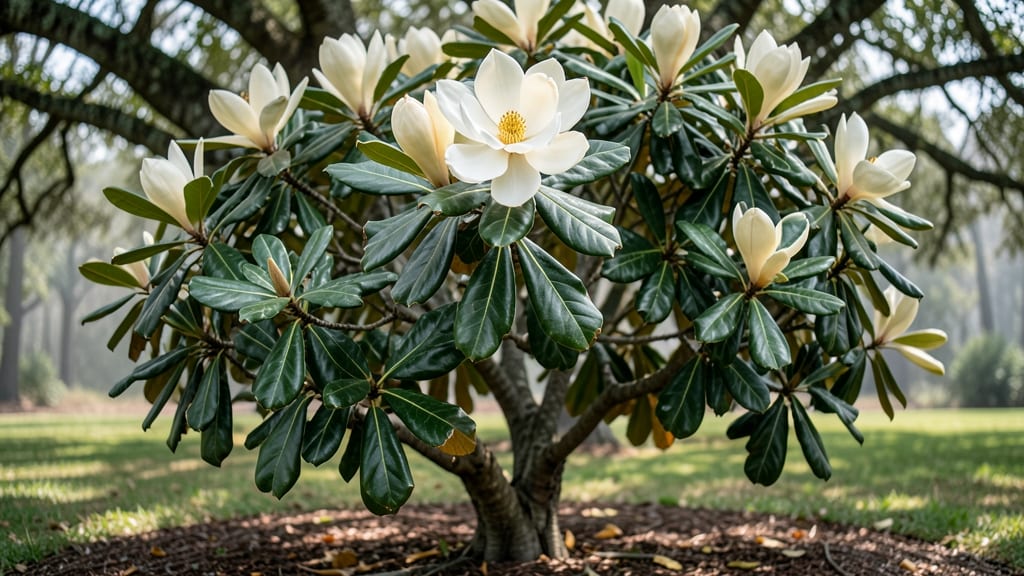
Growing the magnolia tree in full sun means bold blooms and sturdy growth—but only if you pick the right variety and prep the soil just right. 🌿 I’ve watched Southern magnolias and little gem magnolias thrive in my backyard under 6+ hours of direct sun, while other types wilted without the perfect balance of shade and care.
The secret isn’t just sunlight—it’s moist, well-draining soil and consistent watering, especially in hot climates. Most nurseries sell full-sun magnolias like ‘Little Gem’ or ‘Southern Beauty,’ but even they need afternoon shade in scorching zones 8-10.
Mulch helps retain moisture, while pruning in late winter keeps the tree’s energy focused on blooms, not repair. You’ll see glossy leaves and dramatic flowers by year three if you start with the right species and protect young branches from sunburn.
Even in full sun, magnolias stay lush—just avoid planting them where afternoon rays scorch tender new growth. Works in USDA zones 4-10, but adjust care for extreme heat or cold. Let’s get those roots settled for a lifetime of shade and scent.
📚 In This Guide
- What you need
- Instructions
- Tips and common mistakes
- Wrapping up and next steps
What you need
- ● Magnolia Tree: 1 healthy Magnolia grandiflora or Magnolia stellata (full-sun varieties like 'Little Gem' or 'Black Tulip' are great picks!)
- ● Size: 3–5 gallon container (young saplings) or bare-root (for mature trees).
- ● Soil: 50 lbs of well-draining, acidic soil mix (pH 4.5–6.0). Aim for a blend of: 60% topsoil
- ● 30% peat moss or pine bark fines
- ● 10% perlite/sand for aeration
- ● Fertilizer: 1 lb of slow-release, acid-loving plant fertilizer (e.g., 8-3-9 or 10-10-10 with micronutrients).
- ○ Optional boost: 1 cup of fish emulsion or composted manure (spring/fall).
- ● Mulch: 3–4 inches of pine bark mulch or wood chips (keep 6 inches away from the trunk).
- ● Tools: 1 shovel (for digging)
- ● 1 pruning shears (sterilized, sharp)
- ● 1 garden hose with spray nozzle
- ● 1 measuring tape (for spacing)
- ● 1 gloves (gardening or work gloves)
- ● Erosion Control: 1 roll of landscape fabric (to suppress weeds around the base).
- ● Support: 1 tree stake (if planting in windy areas).
- ● Pest/Disease Prevention: Neem oil spray (for aphids or scale)
- ● Fungicide (e.g., copper-based, if in humid climates).
- ● Sun Protection (Temporary): 1–2 shade cloths (30–50% coverage) for young trees acclimating to full sun.
How to cultivate a thriving magnolia in full sun
Here’s how I’ve learned to coax those iconic blooms from stubborn magnolia seedlings—no shortcuts, just proven techniques.
☀️ Step 1: Select the Right Variety for Your Climate
Not all magnolias are created equal. Southern magnolias (Magnolia grandiflora) thrive in USDA zones 6-10 and handle full sun better than their northern cousins. Southern varieties like ‘Little Gem’ or ‘Bracken’s Brown Beauty’ tolerate 6+ hours of direct sun without scorching, while hybrids like ‘Ann’ or ‘Elizabeth’ (zones 4-8) need afternoon shade in hot climates.
Check your last frost date—magnolias despise transplant shock, so buy bare-root specimens in early spring or fall. If you’re in a hot, dry zone, opt for ‘Black Tulip’ or ‘Jane’; they bloom later when summer heat peaks. I always verify the tag matches my zone—sweltering afternoons will crisp leaves faster than you can water.
🪴 Step 2: Plant in Well-Draining Soil with Strategic Mulching
Magnolias hate soggy roots, so amend heavy clay with 3-4 inches of compost and a handful of coarse sand per planting hole. Dig a hole twice as wide as the root ball but only as deep—planting too deep suffocates the roots. Loosen the roots gently if they’re circling (they’ll do this in containers).
Backfill with native soil mixed with 1 part peat moss to improve aeration. Water deeply to settle the soil, then add a 3-inch layer of pine straw mulch—it acidifies slowly, mimicking their native woodland edge habitat. Keep mulch 6 inches away from the trunk to prevent rot. I always water again after mulching to lock moisture in.
💧 Step 3: Water Deeply and Adjust for Seasonal Needs
Newly planted magnolias need 1-2 inches of water weekly for the first year, but deep soakings (every 5-7 days) encourage deep root growth. Use a soaker hose or drip irrigation to avoid wetting leaves—fungal spores love damp foliage. After establishment, water only when the top 6 inches of soil feel dry (stick your finger in; it should feel like a wrung-out sponge).
In summer, I water early morning to reduce evaporation. Overhead sprinklers? Skip them—magnolias resent wet leaves, and powdery mildew will turn your blooms to lace. If your area has hard water, flush the soil occasionally with rainwater to prevent mineral buildup.
✂️ Step 4: Prune Only After Blooming—Never in Late Summer
Magnolias bloom on old wood, so prune immediately after flowers fade (late spring to early summer). Remove only dead, crossing, or weak branches—never more than 25% of the canopy at once. Use clean, sharp pruners to make cuts just outside the branch collar. I avoid heavy pruning entirely in the first 3-5 years; young trees need all their energy for root growth.
If a branch is too large to cut cleanly, make three cuts: first under the branch, then above at a slight angle, and finally just outside the collar. Seal larger wounds with pruning sealant to prevent disease entry. Never prune in late summer—you’ll sacrifice next year’s blooms.
🌿 Step 5: Fertilize Lightly and Monitor for Pests
Feed once in early spring with a balanced 10-10-10 fertilizer (½ cup per inch of trunk diameter). Magnolias are light feeders—too much nitrogen produces foliage at the expense of blooms. I switch to an acid-loving plant fertilizer (like 8-3-9) in zones with alkaline soil. Water thoroughly after applying to prevent root burn.
Watch for scale insects (tiny bumps on stems) or magnolia leaf gall (wart-like growths). Treat scale with neem oil spray in early spring before buds swell. For gall, prune affected branches and sterilize tools with 70% rubbing alcohol. I inspect leaves monthly—early intervention keeps these pests from becoming a full-blown infestation.
Tips & tricks for perfect magnolia tree cultivation in full sun
Here’s what I’ve learned after years of nurturing these majestic trees—small details that make all the difference between a struggling sapling and a thriving, blooming beauty.
Variety Matters: When selecting your magnolia in Step 1, pay close attention to the tag’s sunlight requirements. Southern varieties like ‘Little Gem’ can handle full sun all day, but hybrids like ‘Ann’ may need afternoon shade in zones 7-10. I’ve seen ‘Black Tulip’ thrive in my Zone 8 garden with 8+ hours of sun, but its leaves crisped when I tried it in a hotter microclimate. Always match the variety to your specific sun exposure patterns.
Soil Preparation Secret: In Step 2, don’t just amend the planting hole—test your native soil’s pH first. Magnolias prefer slightly acidic soil (pH 5.0-6.5). If your soil tests higher, mix in 2 parts peat moss to 1 part compost when backfilling. I use a simple soil test kit from my local nursery—it’s worth the $10 to avoid years of struggling with nutrient deficiencies. The 3-inch pine straw mulch layer helps maintain that acidity naturally over time.
Watering Wisdom: The 1-2 inches weekly guideline in Step 3 is perfect, but timing matters just as much. Install a rain gauge near your tree to track actual rainfall—many homeowners overwater because they rely on memory. I set a reminder for every 5-7 days to check moisture, but I’ve found that watering 2 inches deep (not just surface watering) makes all the difference in root development. Use a screwdriver to check soil moisture—it should penetrate 6 inches with slight resistance.
Pruning Precision: When pruning in Step 4, focus on the branch collar—that swollen area where the branch meets the trunk. Making clean cuts just outside this collar prevents disease entry. I’ve made the mistake of cutting too close to the trunk, which creates unsightly wounds that take years to heal. For larger branches, use the three-cut method exactly as described, but sterilize your pruners with 70% rubbing alcohol between each cut to prevent spreading any potential pathogens.
Pro Tips for Magnolia Tree Full Sun
- Here’s what I’ve learned after years of nurturing these majestic trees—small details that make all the difference between a struggling sapling and a thriving, blooming beauty.
- Variety Matters: When selecting your magnolia in Step 1, pay close attention to the tag’s sunlight requirements.
- Soil Preparation Secret: In Step 2, don’t just amend the planting hole—test your native soil’s pH first.
Frequently asked questions
Got questions about growing magnolias in full sun? We’ve got answers!
Here are some of the most common concerns—from sunlight needs to troubleshooting—so you can keep your magnolia thriving and blooming beautifully.
Can magnolias really grow in full sun?
Yes! While many magnolias prefer partial shade, sun-loving varieties like Southern Magnolia (Magnolia grandiflora) and Little Gem® thrive in full sun (6+ hours daily). Just ensure they get afternoon shade in hot climates to prevent leaf scorch. Watering deeply in summer helps too!
How do I know if my magnolia isn’t getting enough sun?
Watch for these signs: fewer blooms, yellowing leaves, or stunted growth. If your tree’s in full sun but struggling, it might need morning sun + afternoon shade. Move it gradually to avoid shock, or plant near a west-facing wall for filtered light.
How long does it take for a magnolia to bloom in full sun?
Patience is key! Mature magnolias (10+ years old) bloom best, but some varieties (like Ann Magnolia) may flower in 3–5 years with proper care. Full sun speeds up blooming in sun-tolerant types, but consistent watering and well-draining soil are critical for early flowers.
What if my magnolia’s leaves turn brown in full sun?
Brown, crispy edges? That’s sunburn! It happens when roots can’t keep up with intense afternoon heat. Solutions:
- Water deeply 2–3x/week in summer.
- Mulch with 3 inches of organic matter to retain moisture.
- Temporarily shade with a lattice or cloth if temps hit 90°F+.
Are there magnolia alternatives for full sun with faster growth?
If you want bold blooms + speed, try these sun-loving swaps:
Plant
Sun Needs
Bloom Time
Crape Myrtle
Full sun (6+ hrs)
Summer (fast-growing!)
Japanese Tree Lilac
Full sun to part shade
Late spring (drought-tolerant)
Oakleaf Hydrangea
Full sun (morning light best)
Summer (compact size)
Wrapping up and next steps
Growing a magnolia tree in full sun is totally doable—and the rewards are stunning! 🌸 With the right soil, spacing, and a little patience, you’ll enjoy those showstopping blooms and lush foliage for years.
Whether you’re a gardening newbie or a seasoned pro, these tips will help your magnolia thrive in even the sunniest spots.
Ready to take the next step? Pick your favorite variety, prep your planting site, and get ready to watch your garden transform! Plant now and enjoy the beauty (and maybe even the sweet fragrance) of your magnolia in no time.