
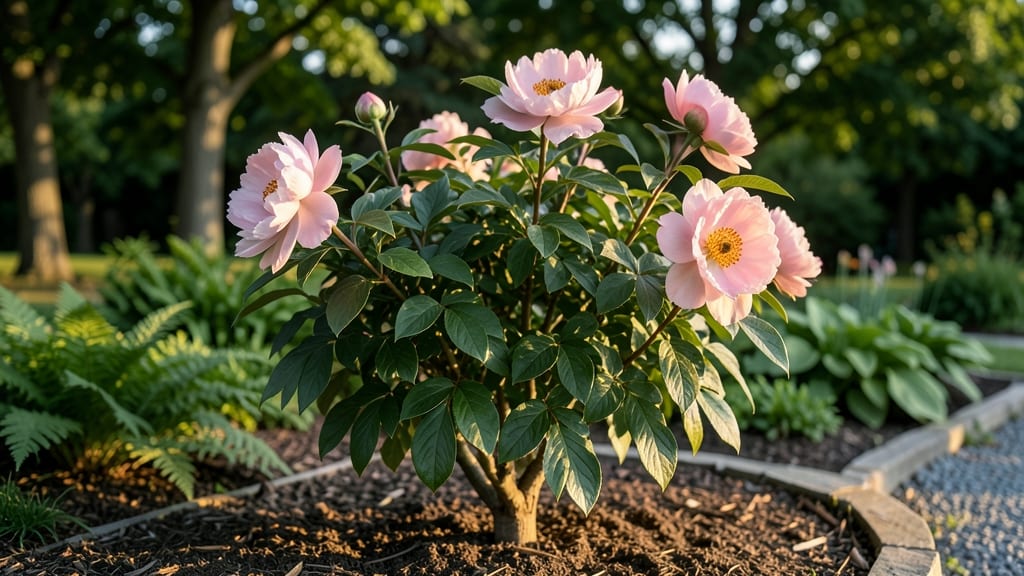
Tree Peony Height: How Varieties Grow—And When to Prune for Full Blooms

Pruning

Tree Peony Height: How Varieties Grow—And When to Prune for Full Blooms

The height of a tree peony 🌸 determines everything from garden layout to pruning strategy—and choosing the wrong variety can leave you with blooms hidden behind shrubs or struggling for space.

If you’ve ever dreamed of dramatic, long-lasting blooms in your garden but struggled with the right tree peony varieties, understanding their mature height is the first step to success.

Most tree peonies reach 3 to 4 feet at maturity, but dwarf varieties stay under 2.5 feet, while tall types can stretch toward 6 feet. That means spacing, sunlight exposure, and even pruning techniques all shift depending on what you plant.

In this guide, I’ll break down how height affects growth, which varieties fit small gardens vs. large landscapes, and the pruning secrets that keep your peonies blooming their best—no matter how tall they get.

Tree Peony Height Range
2 ftto4 ft
0 ft 3 ft 6 ft 9 ft 12 ft
🌱 Medium Shrub

Tree peony height by variety: dwarf vs. standard vs. tall types

Choosing the right tree peony variety depends heavily on its mature height—whether you want a compact dwarf for containers or a towering tall specimen for garden focal points. The Paeonia suffruticosa species offers stunning blooms but varies dramatically in size, from 2 feet to over 10 feet.

Understanding these differences ensures you select the perfect fit for your space while maximizing those show-stopping flowers.

Most gardeners overlook how height affects pruning and bloom production. A tall variety like 'Sarah Bernhardt' (8–10 ft) needs aggressive pruning to maintain shape, while dwarf types like 'Duchesse de Nemours' (3–5 ft) thrive with minimal trimming.

Let’s break down the key categories and what each means for your garden design and care routine.

How tree peony height affects pruning: timing and techniques for maximum blooms

Understanding your tree peony height is the key to unlocking its full blooming potential. Tall varieties like 'Sarah Bernhardt' (8–10 ft) need different pruning strategies than dwarf types like 'Duchesse de Nemours' (3–5 ft). The right approach ensures healthy growth and abundant flowers without stunting your plant.

Pruning isn't just about cutting back—it's about encouraging strong stems and preventing disease. Whether you're dealing with a low-growing shrub or a tall specimen, timing matters most.

Late fall/winter pruning prepares the plant for spring, while early spring adjustments shape future blooms. Let's dive into the techniques tailored to your peony's height.

⚠️ Critical Height-Based Pruning Mistakes

Tall varieties (6+ ft): Never prune more than 1/3 of the plant—aggressive cuts reduce next year's blooms. Dwarf varieties (3–5 ft): Avoid heavy pruning in late spring—this delays flowering.

✅ Do: Prune dead or crossing branches year-round for all heights.

❌ Don't: Use dull shears—ragged cuts invite disease, especially in tall, dense growth.

For low-height tree peonies (3–5 ft), focus on shaping in late winter (February–March) before new growth starts. Remove last year's spent blooms and any weak stems at the base.

This keeps the plant compact and bushy while maximizing flower production. Use bypass pruners for clean cuts just above outward-facing buds.

Medium-height varieties (5–7 ft) require two-pruning sessions: first in late fall (November) to remove dead or diseased wood, and again in early spring (March) to thin out crowded branches.

Aim to create an open center—this improves airflow and reduces fungal risks. Never cut into old wood; always prune back to live buds or branch collars.

Tall tree peonies (7+ ft) demand strategic structural pruning. Start in late winter by removing up to 20% of the oldest stems at the base to rejuvenate growth. Follow up in early spring with light shaping, focusing on removing suckers and crossing branches.

Use a saw for thick stems (1+ inch diameter) and sterilize tools between cuts to prevent bacterial spread.

Timing is everything—late fall/winter pruning (after leaf drop but before hard frost) helps the plant enter dormancy cleanly, while early spring pruning (just as buds swell) sets the stage for vibrant blooms.

Avoid pruning in late spring or summer, as this can stimulate weak, late-season growth that won't harden off before winter. For all heights, mulch heavily after pruning to protect roots.

Remember, tree peonies bloom on old wood, so never prune back into last year's growth—this removes next year's flower buds! With the right height-specific approach, your peonies will reward you with show-stopping blooms for decades. Happy pruning! 🌸✂️

★★★★★4.6(12 reviews)
Categories Pruning
Variety Mature Height Spread Growth Rate Best For
Dwarf Types 1.5–3 ft 2–3 ft Slow to moderate Containers, small gardens, borders
'Duchesse de Nemours' 3–5 ft 3–4 ft Moderate Foundation planting, cottage gardens
'Coral Charm' 2–3 ft 2.5–3 ft Slow Rock gardens, alpine beds
Standard Types 4–6 ft 4–5 ft Moderate to fast Garden centers, mixed borders
'Sarah Bernhardt' 8–10 ft 6–8 ft Fast Specimen planting, large landscapes
'Maxima' 5–7 ft 5–6 ft Moderate Cut flower gardens, hedges
'Karl Rosenfield' 4–6 ft 4–5 ft Moderate Perennial borders, mixed shrub beds
Tall Types 7–12 ft