
Pruning
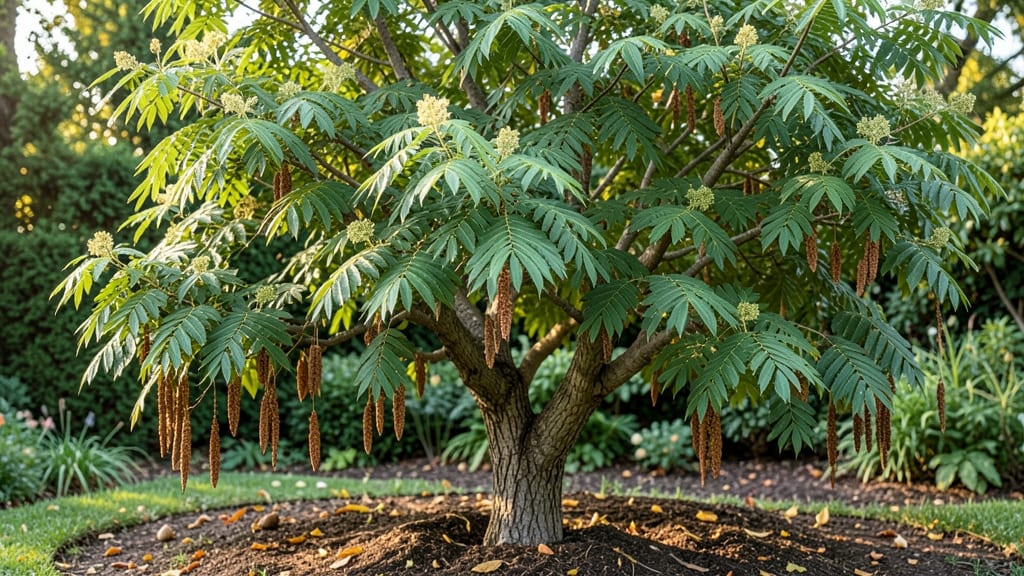
Is Tree of Heaven fruit edible? No—it's highly toxic and should never be consumed, as it contains dangerous compounds like ailanthone that trigger severe gastrointestinal distress, allergic reactions, or even liver damage. Remove fallen fruit immediately to protect pets, livestock, and children.
This invasive tree's fruit contains multiple toxic compounds that affect humans and animals differently. 🌳 The most concerning is ailanthone, which disrupts cellular processes and can cause vomiting, diarrhea, and skin rashes within hours of ingestion.
Even small amounts may trigger allergic reactions in sensitive individuals, while larger exposures risk liver toxicity. What's alarming is how quickly symptoms appear—sometimes within 30 minutes—making this a silent but serious threat in urban and rural areas where the tree spreads rapidly.
If you're concerned about accidental consumption, focus on visual identification: Tree of Heaven fruit resembles small, red berries that turn brown when mature, often clustered in dense groups. Unlike edible alternatives like mulberries (which are purple-black when ripe), these berries lack any safe culinary use.
For gardeners, replacing Tree of Heaven with non-toxic species like crabapple or serviceberry eliminates this hazard while maintaining ornamental value.
💡 In This Article
- Toxic Compounds in Tree of Heaven Fruit: Chemical Breakdown
- Safe Alternatives: Edible Trees with Similar Growth Habits
Toxic compounds in Tree of Heaven fruit: chemical breakdown
The Tree of Heaven (Ailanthus altissima) fruit contains a cocktail of toxic compounds that make it completely inedible. The most dangerous is ailanthone, a sesquiterpene lactone that disrupts mitochondrial function in cells.
This compound interferes with energy production, leading to symptoms like nausea, vomiting, and abdominal cramps within 30-120 minutes of ingestion. Studies show ailanthone concentrations peak in ripe fruit, making mature berries particularly hazardous.
Another critical toxin is quassin, a bitter compound that acts as a natural insecticide. When consumed, quassin triggers severe gastrointestinal distress by irritating the digestive tract lining, causing diarrhea and dehydration. The fruit also contains parthenin, which can provoke allergic reactions—including skin rashes and swelling—in sensitive individuals.
What's alarming is how these compounds work synergistically: ailanthone weakens cellular defenses while quassin and parthenin exacerbate systemic inflammation.
The toxicity varies by fruit maturity, with ripe berries containing 2-3x more ailanthone than unripe ones. This means fallen fruit poses the greatest risk, as it's often at peak ripeness when it hits the ground.
Even small amounts—just 10-20 berries—can trigger symptoms in children or pets, while larger quantities may lead to liver damage or respiratory distress in extreme cases.
What makes this particularly dangerous is how quickly symptoms appear. Unlike many plant toxins that take hours to manifest, Tree of Heaven fruit can cause reactions within 30 minutes, leaving little time for medical intervention.
This rapid onset is why veterinarians warn against pets eating fallen fruit, as animals may ingest large quantities before showing signs of distress.
Interestingly, the seeds are even more toxic than the fruit itself, containing concentrated doses of these compounds. This is why gardeners and wildlife managers emphasize removing both fruit and seeds to prevent accidental consumption.
The tree's rapid spread—up to 3 feet per year—exacerbates the risk, as fallen fruit becomes widespread in urban and suburban areas.
For those curious about the tree's defensive mechanisms, this toxicity serves as a natural deterrent. The compounds evolved to protect the tree from herbivores, making the fruit completely unsuitable for human or animal consumption.
Unlike edible alternatives, which have evolved to be palatable, Tree of Heaven fruit represents nature's warning sign: do not eat.